 Agents Available 24/7
Understanding Brown Recluse Size: What You Need to Know
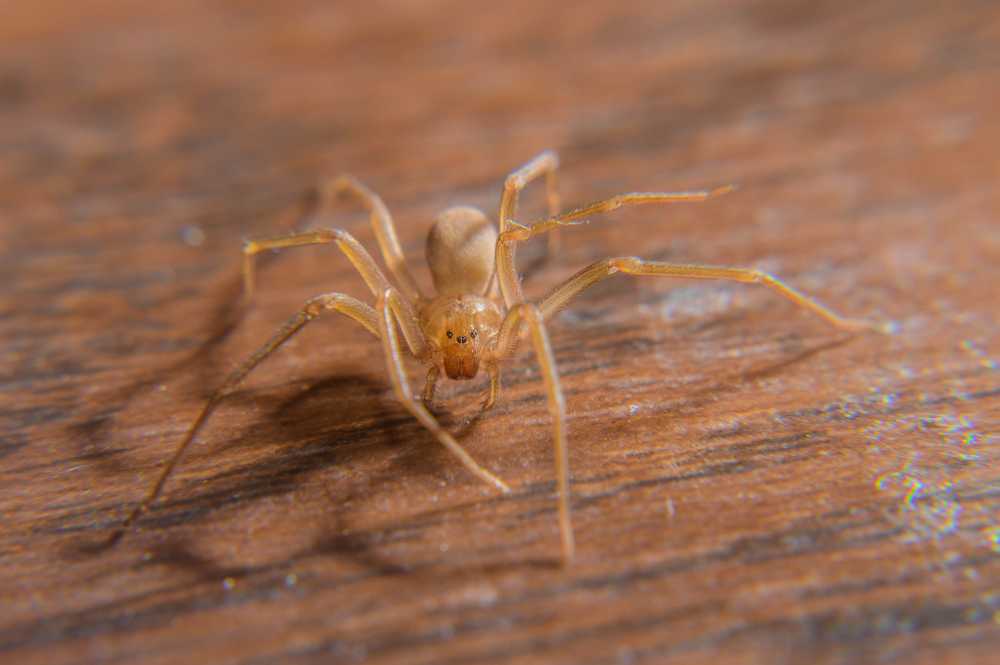
Brown recluse spiders, scientifically known as Loxosceles reclusa, are brown spiders measuring 6 to 20 millimeters in body size, with leg spans that can exceed 25 millimeters. Understanding their brown recluse size is crucial for identifying these spiders accurately. In this article, you’ll learn about their size, key identifying features, life stages, and what their size means for behavior and habitats.
- Brown recluse spiders range from 6 to 20 mm in body size, but their leg span can exceed 25 mm, making size critical for identification.
- A more definitive diagnostic feature is the violin-shaped marking on their back, with the neck of the violin pointing towards the abdomen.
- Their eyes are arranged uniquely in six eyes organized in three pairs, unlike most spiders, which have eight eyes.
- Male brown recluse spiders are generally smaller but have longer legs extended compared to females, aiding in identification and understanding behavior.
Typical Size of Brown Recluse Spiders
Brown recluse spiders measure between 6 to 20 millimeters in body size, making them relatively small compared to other spider species. Their leg span can exceed 25 millimeters, giving them a larger appearance when their legs are fully extended on a flat surface. This size range helps differentiate them from other spiders commonly found living indoors.
Wolf spiders, which can grow between 10 to 35 millimeters, are generally larger than brown recluses. Despite sharing similar brown coloration, wolf spiders differ in size and habitat preferences, which helps in quick identification.
The leg span of brown recluse spiders contributes to their distinctive appearance. Their extended legs make them appear more imposing despite their modest body size. This, combined with their reclusive nature, often results in brief sightings as they quickly scurry away to hidden locations.
Recognizing the brown recluse’s size is essential for correct identification, especially since most brown recluse bites occur when people accidentally disturb these spiders in their hiding places.
Identifying Features Beyond Size
Several key features beyond size help identify a brown recluse spider. One of the most definitive diagnostic features is the violin-shaped marking on its back, with the neck of the violin pointing towards the abdomen. This “violin-pointing” characteristic distinguishes them from other brown-colored spiders.
Another important feature is their eye pattern. Unlike most web weavers that have eight eyes, brown recluse spiders have six eyes arranged in three pairs. This unique eye arrangement is a more definitive diagnostic feature than coloration or size alone.
Brown recluse spiders vary in color from light to dark brown, with uniformly colored legs and abdomen, lacking any stripes or mottling. This uniform coloration, combined with the violin-shaped marking and eyes arranged in pairs, differentiates them from other brown spiders.
Life Stages and Size Variations
Brown recluse spiders go through several life stages, each with size variations. Spiderlings hatch from egg sacs and require about one year to reach adulthood, molting five to eight times during this period. This molting process is essential for their development, resulting in noticeable size changes at each stage.
Adult brown recluse spiders usually live for one to two years, reaching their full size of 6 to 20 millimeters in body length. They can survive extreme drought and scarcity of food for several months, which helps them persist in various environments.
In rare cases, environmental factors like extreme drought or lack of prey (small insects and dead insects) can affect their growth, leading to stunted development.
Understanding the life stages and size variations aids in identifying brown recluses at different points in their lifecycle and informs effective pest control operators on managing infestations.
Male vs. Female Brown Recluse Size Differences
Male and female brown recluse spiders exhibit notable size differences. Adult females are generally larger, averaging about 9 millimeters in body length, while males typically measure around 8 millimeters. This slight size difference aids in identification.
Male brown recluse spiders have longer legs extended relative to their body size. The leg span of males is approximately the size of a quarter, significantly longer compared to females, making males appear more elongated and spindly, contrasting with the more compact appearance of females.
The longer legs of male brown recluse spiders assist in their mobility and hunting, allowing them to catch prey more effectively.
Recognizing size differences between male and female brown recluse spiders is important for accurate identification and understanding their behavior.
Habitat Preferences Based on Size
The size of brown recluse spiders influences their habitat preferences. Their small size allows them to fit into tight, hidden locations such as wall voids, crawl spaces, closets, and storage areas that are not regularly disturbed.
They are commonly found living indoors in dry, cluttered areas like garages, sheds, basements, and behind or under furniture. Their ability to access small crevices and spaces makes them difficult to detect.
Brown recluse spiders build irregular webs made of silk strands, primarily used as retreats rather than to catch prey, unlike most web weavers.
Understanding these habitat preferences helps in locating brown recluse populations and implementing successful brown recluse control through sanitation and exclusion.
Impact of Size on Brown Recluse Spider Bites
The brown recluse’s size directly impacts the severity of its bites. Their fangs are small and often cannot penetrate clothing, so most bites occur when the spider is trapped against bare skin, such as when putting on shoes or clothing left undisturbed.
The initial bite is usually painless, but within a few hours, victims may experience a burning sensation, local swelling, and redness. In most bites, symptoms remain mild and heal within a few weeks without complications.
In very rare cases, especially involving small children or those with weakened immune systems, severe symptoms such as necrotic wounds and systemic effects, including chest pain, fever, and nausea, may develop.
Prompt medical treatment, including the application of an ice pack to reduce swelling, is important to manage symptoms and prevent secondary infections.
Monitoring and Controlling Brown Recluse Spiders
Monitoring brown recluse spiders involves using sticky traps and flat glue boards placed strategically in corners, behind furniture, and along baseboards to catch prey and track spider activity.
Regular inspections of common hiding places such as closets, wall voids, crawl spaces, and storage areas help identify infestations early.
Successful brown recluse control requires several control methods, including sanitation to remove clutter and dead insects, sealing cracks to deny spiders access, and the use of residual pesticides applied by professional pest control operators.
Integrated pest management, combining these strategies, is the most effective way to reduce brown recluse populations and minimize bite risks.
Understanding the brown recluse’s size and identifying features such as the violin-shaped marking, eye arrangement, and uniform coloration is essential for accurate identification and control. Recognizing life stages and size differences between males and females aids in understanding their behavior and habitats.
Employing multiple control methods, including sticky traps, sanitation, exclusion, and professional pest control services, ensures successful brown recluse control and reduces the risk of bites.
Frequently Asked Questions
How can you tell if a spider is a brown recluse?
You can identify a brown recluse spider by its light to dark brown body, the distinct violin-shaped marking on its back with the neck of the violin pointing towards the abdomen, and its six eyes arranged in three pairs.
What is the typical size of a brown recluse spider?
Brown recluse spiders typically measure between 6 to 20 millimeters in body size, with a leg span exceeding 25 millimeters when legs are extended.
Where are common hiding places for brown recluse spiders?
Brown recluse spiders are commonly found in wall voids, crawl spaces, closets, garages, basements, and other undisturbed indoor areas, often living indoors in cluttered, dry spaces.
How can I effectively monitor and control brown recluse spider populations?
Effective monitoring and control include placing sticky traps, inspecting common hiding spots regularly, removing clutter and dead insects, sealing entry points to deny spiders access, and hiring professional pest control operators to apply residual pesticides and manage infestations.
"*" indicates required fields
"*" indicates required fields