 Agents Available 24/7
Understanding Centipedes: Identification and Control Basics
Centipedes are fast, venomous predators with many legs, thriving in moist habitats. They play a vital role in natural pest control, but might invade homes, causing concern. This article explores their anatomy, behavior, common species, habitats where they live, and effective control strategies.
Anatomy and Behavior
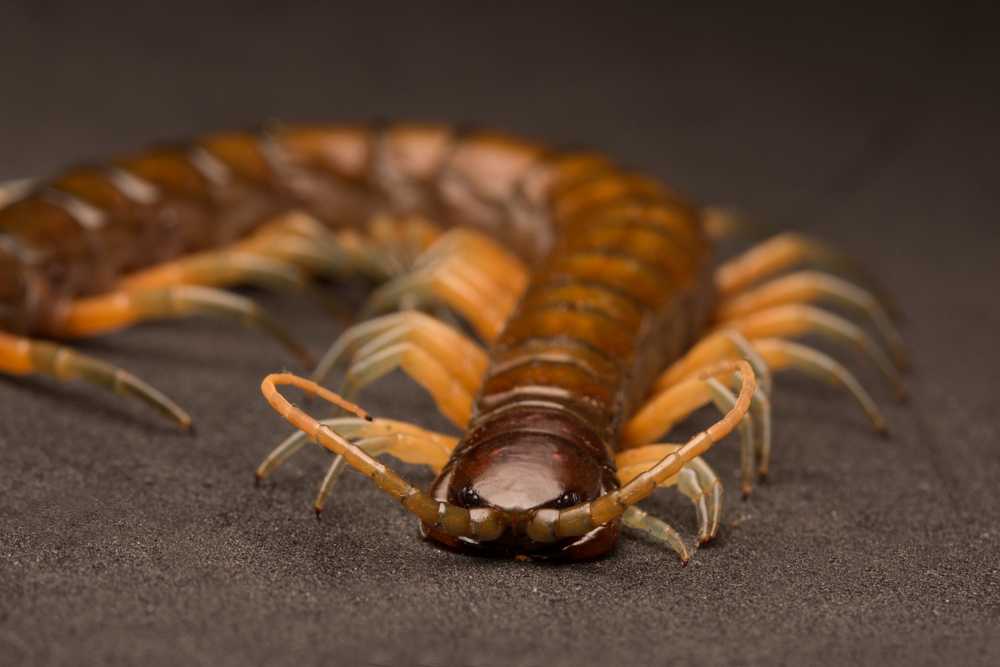
These arthropods exhibit fascinating anatomy that sets them apart from other arthropods. Their elongated, flattened body consists of many segments, each with one pair of legs—an odd number of pairs ranging from 15 to 191 depending on the species. This unique structure enables rapid, darting movements and occasionally stopping suddenly to assess surroundings.
Their legs are long and slender, with the last pair sometimes longer than the body itself, aiding in balance and sensory detection. The first pair of legs, modified into venomous forcipules, inject venom into prey, subduing even larger arthropods. The hind end often bears the last pair of legs, which serve as sensory organs to detect threats or food. Many species have compound eyes or simple ocelli, while some are completely blind.
Most of these animals live in moist habitats to avoid dehydration and are active primarily at night, hunting small insects and other arthropods.
Body Segments and Legs: Centipedes vs. Millipedes
Each body segment supports one pair of legs, distinguishing them from millipedes that have two pairs per segment. This arrangement allows for rapid, darting movements and occasionally stopping suddenly to remain absolutely motionless, assessing their surroundings.
The first body segment bears the venomous forcipules used for capturing prey, while the hind end legs function similarly to antennae. This combination makes them formidable hunters.
Venomous Predators: Bite and Defense
They inject venom through their forcipules to immobilize prey. While their bite is generally not dangerous to humans, it can cause a painful bite similar to a bee sting. Larger species, such as the giant desert centipede or Amazonian giant centipede, have more potent venom and can deliver more painful bites.
Most prefer to avoid humans and only bite in self-defense.
Common Species and Their Habitats
These creatures occur in various habitats worldwide, from forests and grasslands to urban areas. Understanding common types helps in identification and control.
Common House Centipede
The common house centipede is frequently found indoors, especially in moist, protected areas like basements, bathrooms, and laundry rooms. It has a flattened body with 15 pairs of long, banded legs, and compound eyes that aid in hunting. Its rapid movements and predation on pest insects such as carpet beetle larvae make it beneficial, though its presence indoors can be a significant nuisance.
Stone Centipedes
Stone centipedes are smaller, typically found in leaf litter and rotting vegetation outdoors. They have fewer legs than the house centipede and prefer protected areas with ample moisture.
Bark Centipedes
Bark centipedes are another common species, often found under bark and in moist wooded areas. They have long legs and are agile hunters of small insects.
Eastern Red Centipede
The eastern red centipede is notable for its bright orange body and black head. It inhabits moist habitats such as leaf litter and soil and is a voracious predator of small insects.
Giant Desert Centipede
The giant desert centipede is one of the largest species, with an orange body and powerful venomous bite. It thrives in arid environments and preys on a variety of arthropods.
Habitat Preferences
They live primarily in moist habitats to prevent dehydration. They are commonly found under rocks, logs, leaf litter, and in soil rich with organic matter. Indoor individuals prefer damp, dark areas such as crawl spaces and basements.
Moist Habitats
Moist environments are essential for most species. Maintaining low moisture levels indoors through ventilation, dehumidifiers, and leak repairs is key to preventing them from occurring inside homes.
Outdoor Environments
Outdoor individuals commonly inhabit leaf litter, mulch, and other protected areas. Managing these environments by removing debris and reducing moisture can limit their presence near homes.
Interaction with Humans
While these arthropods do not carry diseases harmful to humans, their presence indoors can be alarming. Most are not aggressive and will avoid humans, but their bite can cause moderate pain and swelling.
Bites
Bites occur rarely and usually only when the arthropod is provoked. The bite is painful but typically not dangerous, resembling a bee sting. Smaller individuals often cannot break human skin, while larger species can inflict a more painful bite.
Benefits and Nuisances
They help control pest populations by feeding on insects such as carpet beetle larvae, cockroaches, and spiders. However, their presence indoors, especially in large numbers, can be a significant nuisance, particularly women and children who may be more sensitive to their rapid movements.
Nonchemical Control Methods for Managing These Arthropods
Moisture control and exclusion are primary methods for managing these arthropods. Removing hiding places, sealing entry points, and reducing indoor humidity make environments less attractive for them to live.
Using dehumidifiers, repairing leaks, and ensuring proper ventilation reduce the moist habitats required. Clearing clutter and debris indoors and outdoors eliminates potential shelters.
Chemical Control Options for Temporary Control
When nonchemical methods are insufficient, targeted applications of insecticides can provide temporary control. Dust insecticides applied to cracks and crevices and residual sprays around building foundations are effective. Follow label instructions carefully and avoid applying pesticides in moist areas or near pollinators.
Understanding These Arthropods
For persistent infestations, professional pest control services offered by licensed operators can provide comprehensive solutions. Experts can assess the situation, apply targeted treatments, and provide follow-up to prevent re-infestation.
These fascinating, venomous arthropods are closely related to other arthropods like millipedes. They play a beneficial role in controlling pests but can become nuisances when invading homes. Understanding their anatomy, behavior, and habitat preferences enables effective management using both nonchemical and chemical methods. Professional pest control services can assist with persistent problems.
Frequently Asked Questions
What attracts these arthropods in your house?
They are attracted to cool, dark, damp protected areas with abundant prey. Reducing moisture and clutter helps deter them.
Why do they suddenly appear indoors?
They occur indoors when moisture levels rise or prey populations increase, providing favorable conditions.
Are bites dangerous to humans?
Most bites are not dangerous but can cause a painful bite similar to a bee sting.
How can I reduce moisture to deter them?
Use dehumidifiers, fix leaks, and ensure good ventilation to maintain dry indoor environments.
What are the benefits of having them in my home?
They help control pests like carpet beetle larvae and cockroaches, contributing to natural pest management.
"*" indicates required fields
"*" indicates required fields