 Agents Available 24/7
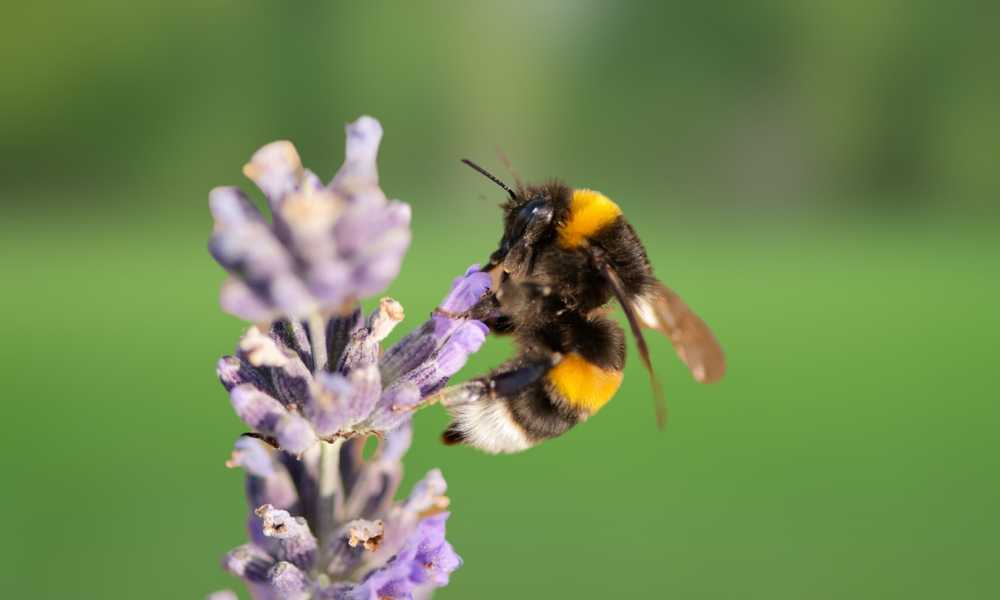
Do Bumblebees Sting? Facts & Tips to Stay Safe
Yes, bumblebees do sting, but they are not aggressive and usually sting only when threatened. Female bumblebees have stingers they use for defense. This article will explore when bumblebees sting, how their stings feel, common reactions, and how to stay safe from bumblebees. Do bumblebees sting? Let’s find out!
- Bumblebees typically only sting in defense and can do so multiple times due to their non-barbed stingers.
- Reactions to bumblebee stings can range from mild pain and swelling to severe allergic responses requiring immediate medical intervention.
- Preventive measures, such as staying calm around bumblebees and avoiding strong scents, can significantly reduce the likelihood of being stung.
Understanding Bumblebees and Their Stingers
Bumble bee, those plump little insects that flit from flower to flower, are generally not aggressive creatures. Unlike their honey bee cousins, bumble bees rarely sting unless they feel threatened or provoked. Only female bees—specifically the worker bees and queens—possess the ability to sting. This stinging mechanism serves as a crucial defense tool against humans, other bees, and potential threats to their nests.
Female bumblebees have a stinger that lacks barbs, unlike the barbed stinger of honeybees. This allows a bumblebee to sting multiple times without losing its stinger, making it a reusable weapon in its defense arsenal. When a bumblebee stings, it injects venom into the target, causing immediate pain and other reactions. Knowing these characteristics helps us
Why Bumblebees Sting
Bumblebees primarily use their stingers for defense. These insects are generally peaceful, preferring to go about their business of pollinating flowers rather than engaging in conflict. However, when they perceive a threat to themselves or their nest, they can become defensive. Their defensive behavior is a survival instinct to protect the colony and its queen.
Unlike honeybees, bumblebees can sting multiple times because their stingers are not barbed. This makes them capable defenders when necessary. However, it’s crucial to note that a bee sting from a bumblebee rarely occurs without provocation. They might sting if they are accidentally disturbed or if their nest is threatened.
Being aware of these situations can help avoid unnecessary stings and allow for peaceful coexistence with these beneficial insects.
Recognizing a Bumblebee Sting
A bumblebee sting can be an unexpected and painful experience. The immediate sensation is often described as a sharp, intense pain, followed by swelling and redness at the sting site. The venom injected by the bumblebee causes this initial pain and localized reaction. While the pain is usually brief, it can be quite intense, especially if the sting occurs in sensitive areas. Bee stings can also lead to similar reactions.
Mild reactions to a bumblebee sting typically include sharp pain, swelling, and the formation of a welt. These symptoms usually subside within a few hours but can sometimes last longer, depending on the individual’s sensitivity to the venom. Moderate reactions may involve more significant swelling that can persist for several days, gradually improving over time.
In some cases, stings near sensitive areas like the eyes or inside the mouth can pose more significant risks and may require immediate medical attention to prevent complications. Recognizing these symptoms and knowing when to get assistance can help manage bumblebee stings.
Common Reactions to Bumblebee Stings
Common reactions to bumblebee stings generally involve localized symptoms such as swelling, redness, and itchiness. These non-allergic reactions are the body’s natural response to the venom and usually begin shortly after the sting occurs. While these symptoms can be uncomfortable, they are usually not severe and tend to resolve on their own within a few hours to a couple of days.
The area around the sting may become swollen and itchy, and in some cases, the swelling can spread slightly beyond the immediate sting site. It’s not uncommon for the symptoms to peak within the first couple of days before gradually subsiding.
Understanding these common reactions can help manage them more effectively and set expectations after being stung.
Allergic Reactions to Bumblebee Stings
Allergic reactions to bumblebee stings can range from mild to severe and are classified into four levels of severity:
- Level 1: Itching, redness, and swelling at the sting site.
- Level 2: Intestinal problems added to the symptoms of Level 1.
- Level 3: Breathing difficulties.
- Level 4: Severe symptoms like heart palpitations and fainting, known as anaphylaxis, which require immediate medical intervention.
Symptoms of a general allergic reaction can begin almost immediately or up to 30 minutes after being stung. While less than 1% of the population experiences anaphylactic reaction to stings, those who do must act quickly. Anaphylactic shock involves severe swelling, particularly in the mouth or throat, and can obstruct the airway. Allergic reactions occur when administering epinephrine via an auto-injector is the first line of defense against anaphylaxis and should be followed by emergency medical services.
Allergic reactions can vary, meaning the severity can change with subsequent stings, even if you’ve had a mild reaction before. Being prepared and understanding the potential risks is essential. Consulting with an allergist can help determine your risk level and appropriate preventive measures.
Preventing Bumblebee Stings
Preventing bumblebee stings starts with understanding their behavior and taking proactive steps to avoid provoking them. Remaining calm and avoiding sudden movements can significantly reduce the risk of being stung. Bumblebees are more likely to sting if they feel threatened, so it’s crucial to remain still if one lands on you.
Avoiding areas where bumblebees are nesting is another key preventive measure. Bumblebees often nest in secluded areas, so steer clear of such spots to minimize the risk of disturbing them. Additionally, using unscented personal care products can help prevent attracting bumblebees, as strong scents from perfumes, soaps, and even perspiration can provoke them.
Wearing light-colored clothing can also reduce the likelihood of attracting bumblebees. These simple precautions can effectively prevent bumblebee stings and ensure a safe, enjoyable time outdoors.
Treating Non-Allergic Reactions
Treating non-allergic reactions to bumblebee stings involves basic first aid measures to alleviate pain and discomfort. Anti-inflammatory medications, such as aspirin or ibuprofen, can help reduce swelling and pain at the sting site. Applying a cold compress to the affected area can also provide relief by numbing the pain and reducing inflammation.
Over-the-counter anti-itch ointments can be used to relieve itching and redness associated with the sting. These treatments are usually sufficient for non-allergic reactions and help ensure a quicker recovery. While these reactions are typically mild, addressing them promptly can enhance comfort and prevent complications.
Managing Allergic Reactions
Prompt recognition of symptoms and appropriate medical intervention are key to managing allergic reactions to bumblebee stings. Allergic reactions can manifest within seconds to half an hour after a sting, with symptoms ranging from mild to severe. For mild reactions, monitoring by medical professionals is advisable, as symptoms may progress.
For severe allergic reactions, such as grade 3 or 4, immediate administration of adrenaline using an auto-injector is critical. This should be followed by contacting emergency medical services immediately and, potentially, hospitalization. Those with a history of severe reactions should keep adrenaline auto-injectors accessible at all times.
For ongoing management, consulting an allergist or an internist can provide personalized treatment plans and preventive strategies. If a fever or other concerning symptoms arise after a sting, it’s essential to seek medical advice promptly.
Toxic Reactions from Multiple Stings
Toxic reactions can occur when a person is stung multiple times in a short period. This can lead to a significant amount of venom entering the body, causing symptoms that affect the nervous or circulatory system. Cardiac irregularities and breathing issues are common signs of toxic reactions and require immediate medical attention.
If someone experiences toxic reactions from multiple bumblebee stings, they should be taken to a hospital for treatment and observation as quickly as possible. Immediate medical intervention is crucial to manage these potentially life-threatening symptoms effectively.
Increased Risk Factors
Certain individuals are at a higher risk for severe reactions to bumblebee stings due to underlying health conditions or specific circumstances. Those with heart or respiratory issues, for instance, are more vulnerable to severe reactions. Additionally, people taking medications like beta-blockers may experience heightened allergic responses.
Pregnant women are also considered at increased risk for severe allergic reactions. Knowing these risk factors is key for taking preventive measures and ensuring prompt treatment if stung.
Living with a Bumblebee Allergy
Living with a bumblebee allergy requires careful management and preparedness. Individuals who have previously experienced severe allergic reactions are at a significant risk of anaphylaxis upon subsequent stings. Carrying an adrenaline auto-injector at all times is crucial for emergency situations.
Hyposensitization treatment with purified bumblebee venom can help desensitize the body and reduce the severity of allergic reactions. Consulting with an allergist for personalized management and treatment options is recommended.
Testing with purified bumblebee venom can assess the likelihood of allergic reactions to future stings and help in planning appropriate preventive measures.
Professional Pest Control Services
Professional pest control services play a vital role in managing bumblebee encounters. For those dealing with bumblebee infestations, professional pest control services are an essential resource.
Understanding bumblebees and their stinging behavior is key to staying safe while enjoying the outdoors. By recognizing the reasons behind bumblebee stings, identifying symptoms, and knowing how to prevent and treat stings, you can coexist peacefully with these important pollinators. Whether dealing with common reactions or managing allergies, being informed and prepared ensures a safer experience. Always remember, professional pest control services are available to help manage bumblebee encounters effectively.
Frequently Asked Questions
Which bees cannot sting?
Stingless bees, part of the tribe Meliponini, cannot sting. They are primarily found in tropical regions and consist of a large group of species.
What happens if a bumblebee stings you?
A bumblebee sting usually results in localized swelling, itchiness, and redness at the site, which can last from a few hours to several days. In rare cases, about 1% of individuals may experience an allergic reaction.
How likely is a bumble bee to sting?
Bumblebees are unlikely to sting, especially if you remain calm and avoid provoking them by waving your arms or disturbing their hive. By being cautious around them, you can significantly reduce the chances of a sting.
Do bumblebees sting more than once?
Yes, bumblebees can sting multiple times because their stingers are not barbed like those of honeybees.
How can I avoid getting stung by a bumblebee?
To avoid getting stung by a bumblebee, stay calm, avoid sudden movements, use unscented personal care products, and wear light-colored clothing. Adopting these practices will significantly reduce your risk of attracting bumblebees.
"*" indicates required fields
"*" indicates required fields