 Agents Available 24/7
Centipede in House: Causes, Removal, and Prevention
Finding a centipede in your house can be unsettling, especially when it disappears quickly into a dark corner or beneath furniture. House centipedes commonly enter homes in search of moisture, shelter, and other small insects to eat.
Although they may look intimidating, house centipedes are generally not considered dangerous to people. Understanding why they appear and what attracts them can help you reduce their presence and prevent future activity.
How to Identify a House Centipede
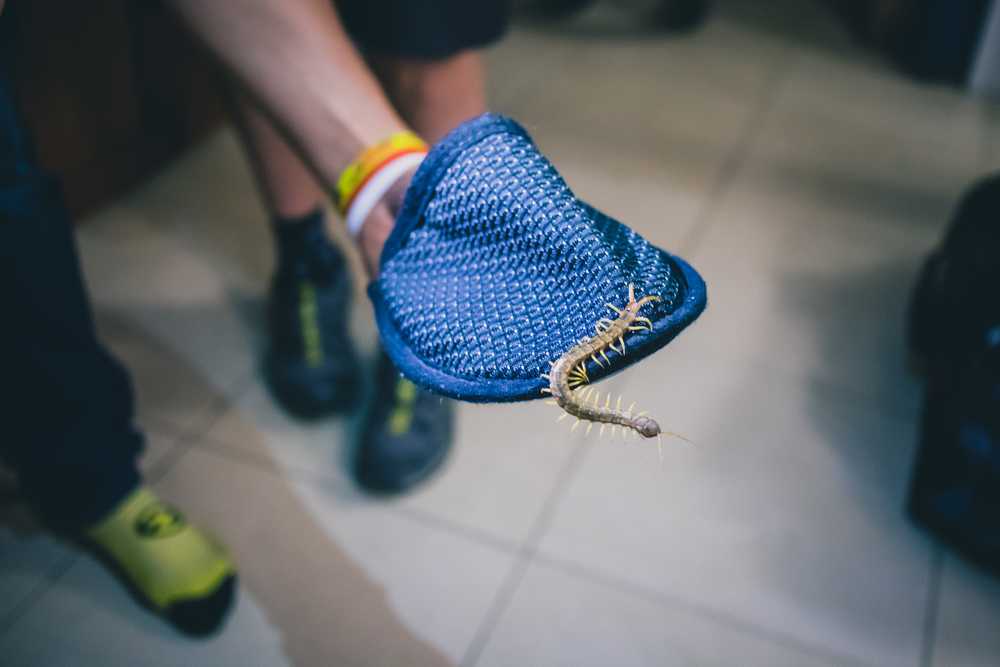
House centipedes have a distinctive appearance that makes them relatively easy to recognize.
Adults typically have:
- A grayish-yellow or brownish body
- Three dark stripes running lengthwise along the body
- Fifteen pairs of long, slender legs
- Long antennae
- A body about 1 inch long, not including the legs
Their unusually long legs make them appear much larger, and they can move very quickly when disturbed.
House centipedes are most active at night and often hide during the day in dark, protected areas.
Why Are Centipedes in Your House?
House centipedes usually enter or remain in homes because the environment provides moisture, shelter, and food.
Excess Moisture
Damp conditions are one of the biggest factors associated with house centipede activity.
They are commonly found in:
- Bathrooms
- Basements
- Crawl spaces
- Laundry rooms
- Utility areas
- Damp closets
- Areas near plumbing
Leaks, poor ventilation, condensation, and high indoor humidity can create conditions that support centipedes and the insects they feed on.
Other Insects
House centipedes are predators. They feed on a variety of small household pests, including:
- Cockroaches
- Spiders
- Silverfish
- Flies
- Moths
- Small crickets
- Other arthropods
Seeing centipedes regularly may indicate that other insects are also present in the home.
Shelter and Entry Points
Centipedes can enter through small cracks, gaps, and openings around the exterior of a home.
Common entry points include:
- Gaps beneath doors
- Foundation cracks
- Openings around pipes
- Damaged screens
- Gaps around windows
- Crawl-space openings
- Exterior vents
Once indoors, they seek quiet areas where they can remain hidden during the day.
Are House Centipedes Dangerous?
House centipedes may look alarming, but they generally pose little risk to people.
They have modified front legs that can inject venom into small prey. A house centipede may bite if it is handled or trapped against the skin, but bites are uncommon.
When bites do occur, symptoms are usually limited to localized pain, redness, or swelling.
Avoid handling centipedes with bare hands. Seek medical guidance if a bite causes severe pain, significant swelling, difficulty breathing, or another concerning reaction.
House centipedes do not damage furniture, clothing, wood, or other household materials.
How to Get Rid of House Centipedes
Seeing an occasional house centipede does not necessarily indicate an infestation. However, frequent sightings may point to excess moisture or a larger population of insects inside the home.
Remove Individual Centipedes
Visible centipedes can be removed with a vacuum or captured and taken outside.
If using a vacuum, empty the contents into an outdoor trash container afterward.
Reduce Moisture
Because centipedes prefer humid environments, reducing excess moisture can make the home less suitable for them.
Helpful steps include:
- Repair leaking pipes and faucets
- Improve ventilation in bathrooms and basements
- Use exhaust fans where needed
- Address drainage problems
- Use a dehumidifier in persistently damp areas
- Dry areas affected by condensation or water intrusion
Reducing moisture can also make the home less attractive to many of the insects centipedes prey on.
Address Other Pest Activity
A steady supply of insects can encourage centipedes to remain indoors.
Look for signs of cockroaches, silverfish, spiders, flies, or other pests in the same areas where centipedes appear.
Addressing those pest populations can reduce the food available to centipedes.
Use Sticky Traps for Monitoring
Sticky traps placed along walls, beneath sinks, or in basements and other low-traffic areas can help identify where centipedes are most active.
Check traps regularly and replace them when they become dusty or full.
Sticky traps are most useful for monitoring activity rather than solving the underlying conditions attracting centipedes.
How to Prevent Centipedes From Coming Inside
Long-term prevention focuses on reducing moisture, eliminating hiding places, and sealing potential entry points.
Seal Gaps and Cracks
Inspect the exterior of the home for openings around:
- Foundations
- Doors
- Windows
- Pipes and utility lines
- Vents
- Siding
- Crawl spaces
Seal accessible gaps with appropriate materials and replace damaged weatherstripping or screens.
Reduce Clutter
Cardboard boxes, stored materials, and clutter can provide protected hiding places for centipedes and other pests.
Keep basements, garages, closets, and storage rooms organized. Store belongings in sealed containers when practical.
Keep Outdoor Areas Maintained
Centipedes may shelter outdoors beneath leaves, mulch, stones, wood, and other damp materials.
To reduce potential hiding places:
- Remove leaf piles and debris
- Keep firewood away from exterior walls
- Avoid excessive mulch directly against the foundation
- Trim vegetation near the home
- Correct areas where water collects
Why You May See More Centipedes at Certain Times
House centipede activity may become more noticeable when outdoor conditions change.
Heavy rain, high humidity, temperature changes, or dry weather can drive centipedes and other arthropods toward more protected environments.
Indoor populations may also become more noticeable when insect prey increases.
A sudden increase in sightings is worth investigating for moisture problems, structural openings, or other pest activity.
Do House Centipedes Help Control Other Pests?
House centipedes do feed on insects and other arthropods that homeowners may consider pests.
Because of this, an occasional centipede can actually remove spiders, cockroaches, silverfish, and other small insects.
However, regularly seeing centipedes throughout the home may indicate that conditions are supporting both the centipedes and their prey. Rather than relying on centipedes for pest control, it is usually more useful to address the moisture and insect activity attracting them.
When Professional Pest Control May Be Needed
Professional help may be appropriate when:
- Centipedes are appearing frequently
- Sightings occur in several areas of the home
- Other insects are also present
- Moisture problems are difficult to locate
- Activity continues after entry points are sealed
- Centipedes are repeatedly appearing in living areas
A pest inspection can help determine whether centipedes are entering from outside or living indoors because of favorable conditions and available prey.
Keeping Centipedes Out of Your Home
An occasional house centipede is usually more of a nuisance than a serious threat. Frequent sightings, however, can signal excess moisture, accessible entry points, or other insect activity inside the home.
Reducing humidity, sealing gaps, limiting clutter, and addressing other pests can make the home less attractive to centipedes and reduce the likelihood of seeing them indoors.
Frequently Asked Questions
Why should you never kill a house centipede?
Never kill a house centipede because they are excellent natural pest control agents, consuming harmful insects like roaches and termites without damaging your home or transmitting diseases. Keeping them around benefits your living environment.
What attracts house centipedes inside homes?
House centipedes are drawn indoors by moisture, availability of food sources such as other pests, and the need for shelter from harsh conditions. Addressing these factors can help keep them outside.
Are house centipedes dangerous to humans?
House centipedes are not dangerous to humans; their bites are mild and typically occur only in self-defense. You can rest easy knowing they pose little threat.
How can I naturally get rid of house centipedes?
You can naturally eliminate house centipedes by using essential oils, salt, garlic, vinegar sprays, and diatomaceous earth to repel them. These remedies effectively control their populations without harmful chemicals.
When should I contact professional pest control for centipedes?
Contact professional pest control services if natural remedies fail or if you experience a severe centipede infestation. They can effectively address the issue and prevent further problems.
"*" indicates required fields
"*" indicates required fields