 Agents Available 24/7
Mice vs Rats: How to Tell the Difference
Mice and rats can cause similar problems inside a home, but they differ in size, behavior, nesting habits, and the signs they leave behind. Knowing the differences between mice vs rats can help you identify which rodent is present and choose the right prevention or control approach.
The easiest clues include body size, tail shape, droppings, gnaw marks, and where the rodents are nesting.
Mice vs Rats: Physical Differences
The most obvious difference between mice and rats is size.
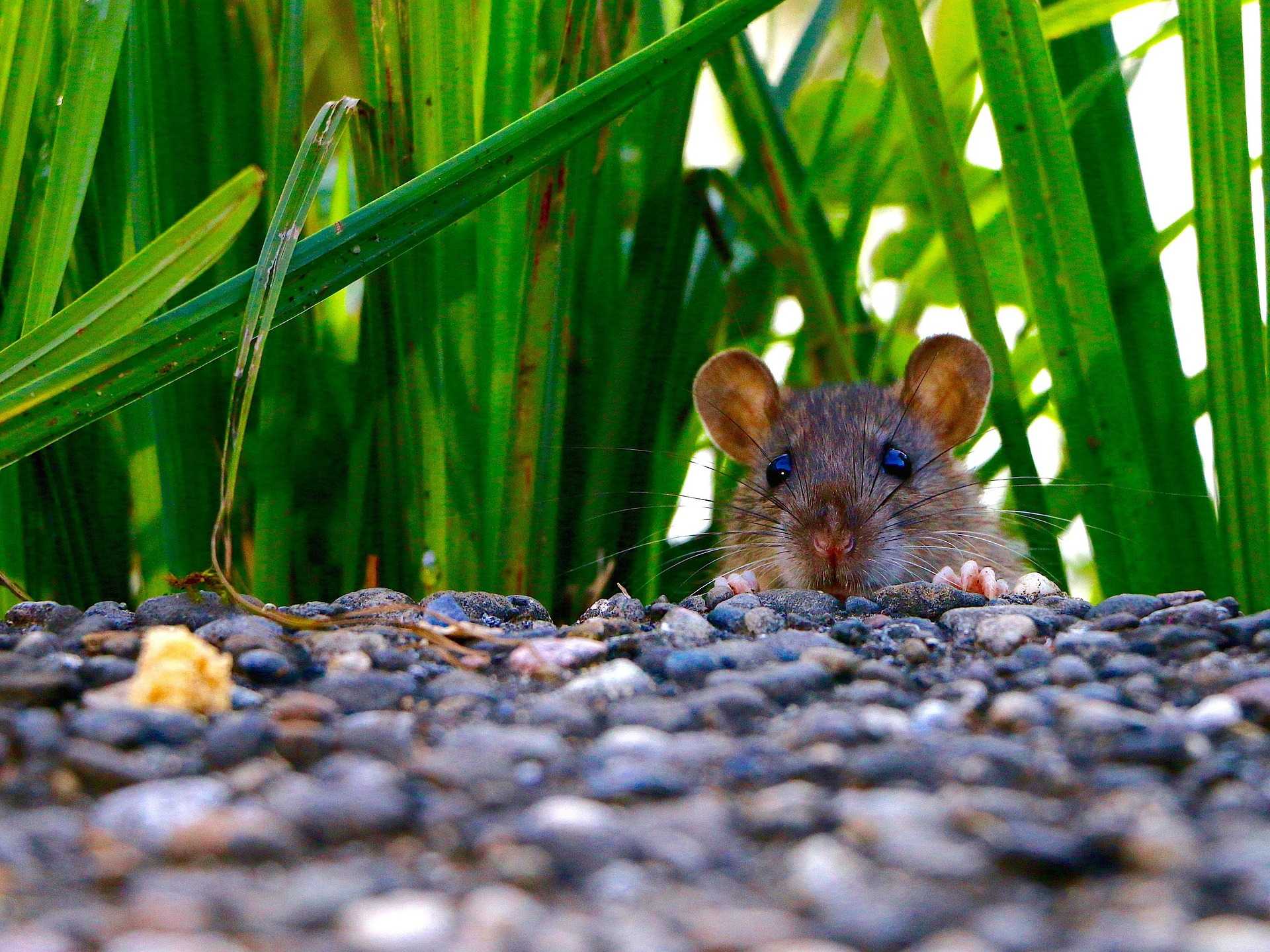
Mice are smaller and have slender bodies, pointed snouts, proportionally large ears, and relatively large eyes. Their tails are thin, flexible, and usually covered with fine hair. House mice are commonly gray or brown and can squeeze into very small spaces around cabinets, walls, and storage areas.
Rats are noticeably larger and have heavier bodies, broader heads, smaller ears relative to their size, thicker tails, and larger feet. Their fur is generally coarser than that of mice.
Norway rats and roof rats are among the most common rat species found around homes and businesses.
Mice vs Rats: Tail Differences
Tail appearance can provide another useful clue when comparing mice vs rats.
Mouse tails are thin and usually have fine hair. Rat tails are thicker and tend to appear more scaly and less hairy.
Tail length also varies by rat species. Roof rats often have tails that are as long as or longer than their bodies, while Norway rats typically have shorter tails relative to body length.
Mice vs Rats: Droppings
Droppings are often one of the first signs of rodent activity.
Mouse droppings are small and typically resemble dark grains of rice. They may appear inside cabinets, along baseboards, beneath sinks, behind appliances, or near food packages. Mice tend to leave droppings in several locations as they move through the home.
Rat droppings are much larger and thicker. They are more likely to appear along established travel routes, near nesting areas, or close to food and water sources.
The shape of rat droppings can vary by species, but size is generally one of the easiest ways to distinguish rat droppings from mouse droppings.
Avoid touching rodent droppings with bare hands, and do not sweep or vacuum them while dry. Use appropriate protective and cleanup precautions instead.
Behavioral Differences
Mice and rats behave differently, which can affect how they move through a home and how easily they respond to traps.
Mice tend to be curious and may investigate new objects relatively quickly. They often explore small areas repeatedly, nest close to food sources, and move through cabinets, walls, and storage spaces.
Rats are usually more cautious around unfamiliar objects or changes in their surroundings. They may avoid newly placed traps before eventually approaching them.
Rats also tend to establish more predictable travel routes between nesting areas, food sources, and water.
Where Mice and Rats Nest
Nesting location can help narrow down which rodent is present.
Mice often build nests indoors using shredded paper, fabric, insulation, or other soft materials. Common nesting locations include wall voids, cabinets, attics, garages, storage rooms, spaces behind appliances, and boxes that remain undisturbed.
Rat nesting habits depend on the species. Norway rats often prefer lower areas and may burrow near foundations, sheds, landscaping, decks, or trash areas. Roof rats are strong climbers and may nest in attics, rooflines, trees, upper wall voids, or elevated storage areas.
Signs of a Mouse or Rat Infestation
Many infestation signs overlap between mice and rats. Common clues include droppings, gnaw marks, scratching or scurrying noises, greasy rub marks, damaged food packaging, nesting materials, small entry holes, unusual pet behavior, and persistent odors.
The size of the damage can help identify which rodent is responsible. Mouse gnaw marks and entry openings tend to be smaller, while rats usually leave larger damage because of their size and stronger teeth.
Health and Safety Concerns
Both mice and rats can contaminate food, surfaces, and stored belongings with urine, droppings, saliva, and nesting materials.
They may also carry fleas, ticks, and other parasites.
Avoid direct contact with rodents or their waste. When cleaning contaminated areas, wear gloves, ventilate the space when appropriate, wet droppings or nesting material with a suitable disinfectant, and avoid sweeping or vacuuming dry waste.
Heavily contaminated areas or large infestations may require professional cleanup.
How to Prevent Mice and Rats
Prevention strategies for mice and rats are similar because both seek food, water, shelter, and easy access indoors.
Seal Entry Points
Inspect the exterior of the home for gaps around doors, windows, foundations, utility lines, pipes, vents, siding, and rooflines.
Mice can enter through very small openings, so even minor gaps should be evaluated.
Use durable materials appropriate for the opening. Rodents can chew through soft foam and other weak materials.
Store Food Properly
Keep pantry goods, pet food, birdseed, and other food sources in sealed containers.
Clean crumbs and spills promptly, keep trash containers closed, and avoid leaving pet food out overnight.
Reduce Clutter
Cardboard boxes, paper, fabric, and stored belongings can provide nesting material and hiding places.
Keep garages, attics, basements, and storage areas organized and inspect them regularly.
Maintain Outdoor Areas
Trim vegetation away from exterior walls and remove debris, unused materials, and dense ground cover near the structure.
Store firewood away from the home and keep outdoor trash containers securely closed.
When Professional Rodent Control May Be Needed
Professional assistance may be appropriate when rodents continue to appear after trapping, activity occurs in several rooms, or mice or rats are nesting inside walls or ceilings.
Other signs that may require professional help include widespread droppings, damaged wiring or structural materials, difficult-to-locate entry points, or uncertainty about whether the infestation involves mice or rats.
Correct identification matters because trap size, placement, likely nesting areas, and control strategies may differ between the two.
Identifying Mice vs Rats
When comparing mice vs rats, size is usually the fastest clue, but droppings, tails, nesting locations, and behavior can help confirm the difference.
Mice are smaller, more curious, and often nest close to indoor food sources. Rats are larger, generally more cautious, and may nest in burrows, attics, or other protected areas depending on the species.
Identifying the rodent correctly makes it easier to locate nesting areas, choose appropriate traps, and prevent the problem from returning.
Frequently Asked Questions
Are mice as harmful as rats?
Mice can indeed be harmful as they contaminate food and spread diseases, though they are generally less aggressive than rats. While they may pose a lower risk of bites, their presence still requires attention due to their potential to cause health issues.
What are the main physical differences between mice and rats?
Mice are generally smaller, with slender bodies, pointed snouts, floppy ears, and large ears, whereas rats are larger, featuring thicker bodies, rounded snouts, and smaller ears.
How can I tell if I have a rodent infestation?
To determine if you have a rodent infestation, check for gnawed holes, oily rub marks, droppings, nests, and observe any unusual behavior from pets. Promptly addressing these signs can help mitigate the problem.
What health risks do rodents pose?
Rodents pose significant health risks by transmitting diseases such as hantavirus, rat-bite fever, and leptospirosis through contact with their urine, droppings, or direct handling. It’s essential to take precautions to minimize exposure to these harmful health threats.
What are effective ways to prevent rodent infestations?
To effectively prevent rodent infestations, seal all entry points, store food in airtight containers, and maintain cleanliness in and around your home. Additionally, use rodent-proof trash containers and keep your yard well-maintained.
"*" indicates required fields
"*" indicates required fields