 Agents Available 24/7
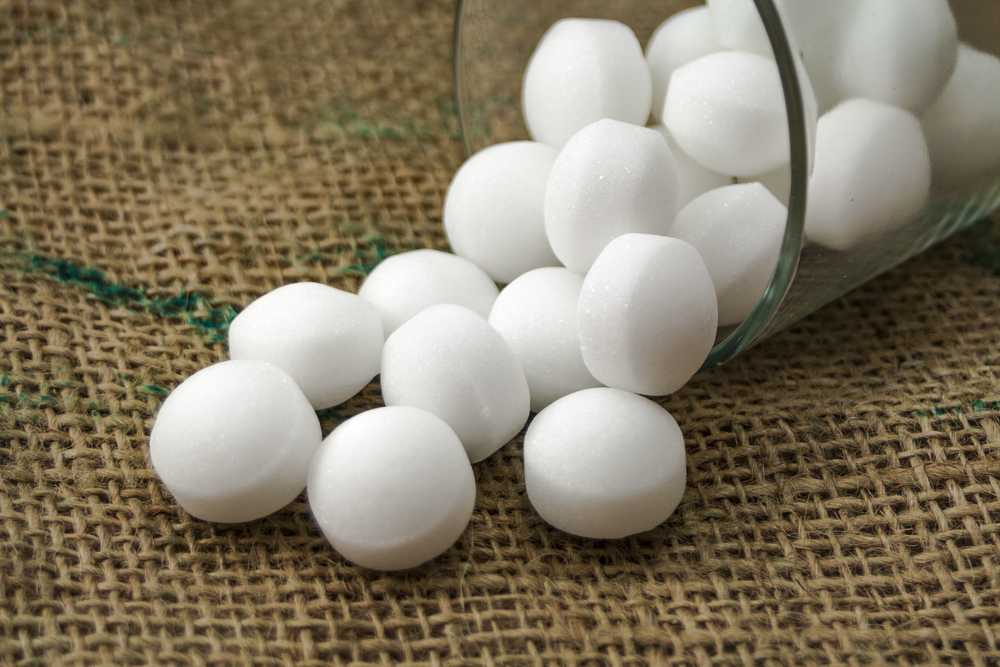
Mothballs: Safe Use and Health Risks
Mothballs use chemicals such as naphthalene or paradichlorobenzene to kill clothes moths and their larvae. These pest control balls are commonly placed in closets and drawers to protect clothing and other items from insect damage. Improper use of this product can lead to harmful consequences. This article will examine their formulation, proper use, potential health risks, alternative methods, and waste disposal.
- They contain naphthalene and 1,4-dichlorobenzene which are highly effective against moths but can have serious health and environmental consequences.
- Proper usage requires that they are enclosed in airtight containers, and that instructions provided by manufacturers are followed to avoid exposure to toxins and environmental damage.
- Safer methods of moth control are available in the form of dry cleaning, vacuuming, and the use of pheromone traps, highlighting the need to educate the public on responsible use and pest management.
Composition of Mothballs
These items are more than just simple spheres; they are chemically potent tools designed to kill moths and their larvae. The primary chemical compounds present in them in the U.S. are either naphthalene or paradichlorobenzene. The effectiveness lies in these chemicals, however, the risks are also derived from them. Traditional versions were made from naphthalene which is a chemical with a distinct chemical structure and a very strong, unpleasant odor.
Most contain 1,4-dichlorobenzene, a chemical with a strong odor that is both sickly-sweet and unmistakable, which is less volatile than naphthalene. These chemicals kill clothes moths and their larvae by sublimating or transforming from a solid into a gas and creating vapors that are lethal to clothes moths and their larvae. They act as insecticides targeting moths, larvae, and other insects that can damage clothing and fabrics. However, this very property also makes them hazardous to humans and pets if not used correctly.
Beyond their immediate use, the chemical components are harmful to the environment. Naphthalene and paradichlorobenzene can contaminate soil and water sources, affecting plants and wildlife. Toxic effects of these chemicals have also been observed in other animals, such as rats and mice, in laboratory studies. This environmental impact is a crucial consideration, and therefore, the use and disposal must be done properly to prevent or minimize their harmful effects.
Proper Use for Clothes Moths
The key to safe and effective use is to follow instructions carefully. These products are meant to be used in enclosed spaces such as airtight containers to prevent the harmful vapors from escaping. They are commonly placed in closets and drawers to protect clothing from insects that can damage clothing. This way the chemicals only target the intended clothes moths and their larvae, thus protecting your clothes from infestation without harming you or your health.
It is important to read the label instructions very well. Using them in ways not prescribed by the manufacturer is not only harmful but also illegal. Misuse results in exposure to toxic chemicals which can lead to harm to humans and the environment. For example, placing them in open spaces or using outdoors can cause extensive ecological damage, affecting plants and animals.
They must always be enclosed in airtight containers to effectively protect your clothes. This method ensures that the product is effective in killing moths and prevents the release of toxic fumes into your home. Proper use ensures both safety and effectiveness for you and your family members.
Health Risks Associated
Their use is associated with many health risks which are quite numerous. The primary chemicals used, naphthalene and 1,4-dichlorobenzene, are toxic and are associated with several health risks. Health agencies such as the Department of Health and Human Services (DHHS) and the International Agency for Research on Cancer (IARC) have determined these chemicals to be hazardous or carcinogenic based on scientific evidence. Exposure to vapors may result in immediate health effects such as headaches, nausea, and dizziness. These effects are not only unpleasant but can be quite severe, and this is especially so when exposed for a long time.
The long-term health risks are worse. Research indicates that prolonged exposure to naphthalene may increase the risk of developing cancer. Naphthalene is listed as a carcinogen by authoritative agencies such as California Proposition 65. Exposure from these products can cause hemolytic anemia. It is particularly true for people who have a deficiency in glucose-6-phosphate dehydrogenase. This condition can lead to severe health complications, making it crucial to minimize exposure. Long-term exposure can also cause liver damage. In addition, repeated exposure to these chemicals can lead to dependence or other health complications beyond physical harm.
Poisoning is also a risk for children and pets because they can easily confuse the small, white balls with candy. Symptoms of poisoning in pets include lethargy, vomiting, and diarrhea. They should be stored in places that are not accessible to children and pets in order to avoid accidental ingestion and the serious health risks that may follow.
Alternatives
The necessity to find safer alternatives arises from their detrimental effects on human health and the environment. Clothes moths can be controlled effectively through the following methods:
- Dry cleaning
- Freezing
- Thorough vacuuming
- Washing in hot water
The methods mentioned here are both secure and highly successful at eliminating moth larvae and preventing infestations.
Pheromone traps represent a superior alternative to traditional control methods. The tool functions both as a diagnostic instrument and control mechanism to track and diminish moth numbers through chemical-free means. The moth-repelling substances camphor and red cedar provide a secure method for moth prevention. The promotion of safer pest control alternatives like these is essential to decrease our dependency on harmful chemicals like these insecticide balls.
Integrated pest management programs operating within communities play an essential role in spreading knowledge about secure pest control techniques. Safer insect protection alternatives exist to help people safeguard their homes without endangering their health or the environment, reducing the need for these products.
Environmental Impact
They produce significant environmental damage which demands immediate attention. The main components consist of naphthalene and paradichlorobenzene which produce air pollutants and cause damage to wildlife. These chemicals escape into the environment through soil and water contamination which creates serious threats to surrounding ecological systems.
Use regulations from the Environmental Protection Agency (EPA) focus on proper handling and disposal methods to minimize environmental risks associated with these products. They must never be placed outside or near food sources because this leads to environmental pollution and harms wildlife populations. The appropriate handling and disposal procedures help reduce the environmental effects.
To safely dispose of them:
- Refer to the guidelines of local waste management services.
- Avoid throwing them into regular trash to prevent hazardous effects.
- Store inside sealed plastic containers until you can transport them to a hazardous waste collection site.
These practices protect both our environment and public health while encouraging responsible use.
Seeking Professional Help for Pest Control
PURCOR Pest Solutions offers a range of pest management services. Professional pest control services represent the best solution because their use involves complex risks and challenges. PURCOR Pest Solutions together with other companies deliver skilled moth infestation management solutions which protect both health and environment. Their dedicated team of professionals provides evidence-based pest control solutions. Professional pest management provides complete and secure solutions for related problems.
Professional pest control services guarantee that your pest management approaches will achieve both desired results and environmental sustainability.
The Role of Education and Awareness
Prevention together with safe pest control methods heavily depend on educational awareness efforts. Public awareness about legal use guidelines helps stop health risks while protecting the environment. The correct understanding of application methods prevents both illegal and dangerous uses.
Community programs offer essential resources which help people understand safer pest control practices and proper usage. Educating people about risks together with promoting alternative solutions will help us decrease related dangers.
History and Cultural References
These products originated from historical naval practices. The naval term ‘mothballed’ refers to a ship that is preserved or stored for future use, or aircraft which remain stored but intact for rapid future activation. The practice gained widespread popularity in August 1939 when the ocean liner SS Normandie underwent internment and these pest control balls were used for interior preservation.
The United States Navy uses its reserve fleets which people call the ‘mothball fleet’ to demonstrate this practice. These historical references together with cultural references demonstrate the enduring practical value beyond household protection.
Disposal
Safe disposal remains essential because it protects both the environment and human health. They produce air pollutants which cause harm to wildlife so proper disposal stands as an essential priority. The disposal method excludes placing them in standard trash containers because people need to follow local waste guidelines for proper disposal.
People should reach out to local waste management services to learn about correct disposal methods. Hazardous waste collection services operated by the community and special drop-off events enable residents to discard them safely according to official regulations.
They need to be placed in sealed plastic storage containers until they can reach an official hazardous waste collection site.
The proper storage method helps stop dangerous fumes from escaping while keeping people and pets safe from unintentional exposure.
These pest control balls serve as powerful tools to fight clothes moths yet they present major threats to both human health and the environment. Knowledge about their chemicals and their correct application along with disposal procedures forms the foundation for secure pest control practices. Professional assistance together with alternative methods will reduce safety risks while protecting our environment.
Educational initiatives and awareness programs serve as essential elements for protecting both people and the environment from improper use and safe handling. Community programs together with professional services provided by PURCOR Pest Solutions help achieve these objectives. Knowledge-based decisions protect our homes and our health while safeguarding the environment.
We should use these products responsibly and investigate alternative pest control methods to guarantee a better future for everyone.
Frequently Asked Questions
What are the primary chemicals in mothballs?
They contain two main active components which are naphthalene and paradichlorobenzene. Users need to exercise extreme caution because these chemicals pose health threats.
What are the essential steps for safe use?
Enclosed airtight containers should contain them to prevent vapor release while enhancing their effectiveness against moths.
What health dangers does usage create?
Use creates major health dangers including headaches, nausea, dizziness, possible long-term cancer risks, and hemolytic anemia that specifically threaten children and pets. People should use caution to reduce their risks.
What are some safe alternatives?
Dry cleaning, freezing, pheromone traps, camphor, and red cedar make up safe alternatives. These alternatives protect against moths while avoiding dangerous chemical compounds found in these balls.
How should disposal be done?
Proper disposal according to local waste management instructions at designated hazardous waste collection points protects the environment.
When did the term ‘mothballed’ originate?
The term gained popularity in August 1939 during the internment of the ocean liner SS Normandie, when these pest control balls were used for preservation. It is now used to describe ships or aircraft stored for future use.
"*" indicates required fields
"*" indicates required fields