 Agents Available 24/7
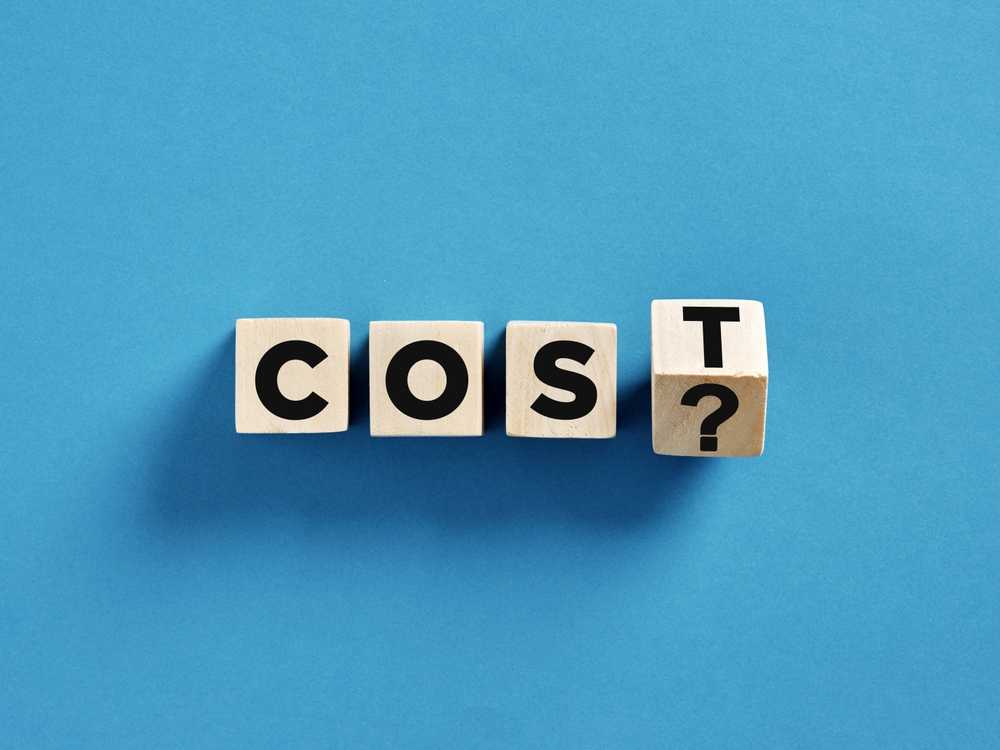
Top Pest Control Cost Details for 2025: A Homeowner’s Guide
Worried about pest control costs? This guide outlines the average expenses and key factors that influenced pest control costs in 2025. Learn what you might pay for treatments against common pests like cockroaches and termites.
- In 2025, the average cost of a one-time pest control service ranged from $300 to $550, with location and pest type significantly influencing prices.
- Factors such as property size, pest type, and infestation severity directly impact pest control costs, with severe infestations requiring multiple treatments, increasing overall expenses.
- Regular pest control services can lead to long-term savings by preventing severe infestations and associated costs, while choosing a reputable pest control company ensures effective management.
Average Pest Control Costs in 2025
Knowing the average pest control costs in 2025 helps with budgeting and planning. Typically, a one-time pest control service for a 1,500-square-foot home costs between $300 and $550.
Location significantly affects costs. In Austin, TX, a one-time treatment ranges from $99 to $299. In New York City, the average is about $255, and in Dallas, it’s around $165. Different pests also incur varying costs—mosquito treatments can be as low as $49, while cockroach extermination might reach $500.
Ongoing pest control services range from $40 to $70 monthly, with quarterly visits costing between $100 and $300. Annual visits are around $300 to $550, and initial visit costs can vary from $135 to $300. These figures help in budgeting for different scenarios.
Factors Influencing Pest Control Costs
Several factors influence pest control costs, including the type of pest, severity of the infestation, and the property’s size and layout. Each factor can significantly affect the overall service cost and control cost.
The type of pest and infestation severity are crucial. Specialized treatments for pests like termites or bed bugs typically cost more due to complexity and resources. Minor infestations may require a single visit, while severe ones may require multiple treatments, which can affect overall costs.
Property Size and Layout
The size and layout of your property can significantly impact higher pest control costs. Larger properties require more resources, increasing the overall expense. More products and time are needed for effective treatment in larger homes, raising costs.
Complex property layouts also raise costs. Intricate designs need more thorough inspections and treatments, leading to higher expenses. When budgeting for pest control, consider both the size and layout of your property.
Type of Pest
Different pests require varying treatments, which affect costs. Bed bugs need specialized approaches costing between $1,000 and $4,000. Termite treatments are also expensive due to potential damage and inspection fees.
Pest control costs vary by pest type. Treating ants ranges from $100 to $500, while cockroach extermination ranges from $100 to $600. Termites have higher control costs due to their potential for severe damage.
Simple methods for common pests like roaches and ants result in lower costs. Severe infestations or specialized pests like bed bugs and termites significantly increase expenses. Knowing the specific pest type helps anticipate costs and choose the right service.
Severity of Infestation
Infestation severity is a critical cost factor. Severe infestations often need extensive treatment plans involving multiple sessions, raising costs. Severe cockroach infestations, for example, may cost up to $8,000 to address.
Severe infestations require more frequent visits and treatments, increasing overall costs. Promptly addressing pest infestation problems can prevent them from worsening, saving money on future treatments.
Common Pest Control Treatments and Their Costs
Pest control offers several pest control treatment options, each with associated costs: chemical treatments, non-chemical treatments, and Integrated Pest Management (IPM). Understanding these helps in choosing the most suitable and cost-effective method for your situation.
Chemical treatments are typically more expensive but highly effective for severe infestations. Non-chemical treatments offer eco-friendly solutions at a lower cost. Integrated Pest Management (IPM) combines multiple approaches for sustainable, long-term pest control. Each method has its benefits and costs.
Chemical Treatments
Chemical treatments for pest control range from $100 to $3,000, depending on the method and pest type. These treatments use controlled pesticides that are highly effective. For example, treating bed bugs costs between $1,000 and $4,000 due to specialized equipment and multiple treatments.
Termite treatments are usually more expensive due to potential significant damage and inspection fees. While chemical treatments can be pricier, they offer a reliable solution for severe infestations and peace of mind with their effectiveness.
Non-Chemical Treatments
Non-chemical pest control options are viable for minimizing environmental impact. These methods can be marginally less costly than chemical treatments. Eco-friendly solutions, though potentially higher in upfront costs, effectively eliminate pests and contribute to long-term savings by maintaining ecological balance.
Non-chemical treatments include traps, heat treatments, and biological controls. These methods are environmentally conscious and effective in managing pest populations sustainably. Adopting non-chemical treatments supports pest management and ecological balance.
Integrated Pest Management (IPM)
Integrated Pest Management (IPM) combines various methods to manage pests sustainably, emphasizing environmentally conscious strategies. IPM integrates chemical and non-chemical treatments with preventive measures for long-term solutions.
IPM methods are often part of expert solutions from professional pest control companies. Although initial costs might be higher, IPM is cost-effective in the long run by preventing severe infestations and reducing the need for repeated treatments. This approach ensures a pest-free environment while maintaining ecological balance.
Professional Pest Control Services vs. DIY Methods
Homeowners often face the dilemma of choosing between professional pest control services and DIY methods. Each approach has its benefits and drawbacks, particularly regarding cost, effectiveness, and suitability for different pest problems.
DIY pest control is more budget-friendly initially, costing $5 to $10 for basic products. However, DIY methods are usually not very effective at eliminating pests and struggle to prevent future infestations.
Professional pest control services utilize advanced equipment and products, leading to better outcomes. Understanding the pros and cons of each approach helps in making an informed decision about what pest control companies offer.
Benefits of Hiring Professional Pest Control Services
Hiring professional pest control services offers several advantages. Trained pest control professionals create customized treatment plans based on the pest type and infestation severity. This tailored approach ensures effective results while minimizing health risks through regulated pesticide use.
Professional services save homeowners time, money, and long-term annoyance by preventing further problems. Many companies offer re-treatment at no additional cost if pests return, enhancing value. Engaging professionals can prevent severe infestations, leading to significant long-term savings.
How to Choose the Right Pest Control Company
Choosing the right pest control company guarantees effective and efficient pest management. Consider factors like certifications, licenses, service packages, customer reviews, and the company’s reputation and experience. A reputable company ensures quality and tailored service packages that meet your needs.
Researching customer reviews and testimonials provides valuable insights into a company’s reputation and service quality. Evaluating these factors helps in making an informed decision and ensures you hire a trustworthy and competent pest control service.
Seasonal Pest Control Needs and Costs
Understanding specific pest patterns throughout the year helps maintain a pest-free home environment. Seasonal pest control prevents disease-carrying pests, enhancing family and pet safety. Regular seasonal treatments cost between $135 and $200 per visit, much lower than emergency services.
Monitoring seasonal pest behaviors helps anticipate and mitigate infestation risks effectively. Routine pest inspections detect potential issues early, saving on future treatment costs.
Routine seasonal treatments allow for better financial planning and minimize unexpected expenses.
Additional Costs to Consider
When budgeting for pest control, it’s important to consider potential additional costs. Repairs for damage, such as drywall or flooring replacement, can significantly add to costs post-infestation. Discussing follow-up services with the pest control professional is crucial to understanding additional costs involved.
Budgeting for follow-up pest control services ensures the pest problem doesn’t resurface. Regular pest inspections can identify vulnerabilities early, reducing the risk of costly repairs. Pest infestations can lead to various additional costs for homeowners, so it’s essential to plan accordingly.
Understanding the pest control costs of 2025 involves considering several factors such as the type of pest, severity of infestation, property size, and the treatment methods. Professional pest control services offer expertise and effective solutions, while DIY methods might be less costly initially but can lead to higher expenses in the long run.
Choosing the right pest control company involves checking for certifications, licenses, and evaluating service packages. Regular pest control services provide long-term savings by preventing severe infestations and minimizing repair costs. By staying informed and proactive, homeowners can effectively manage pest control costs and maintain a pest-free environment.
Frequently Asked Questions
How much did pest control typically cost in 2025?
Pest control services in 2025 typically cost around $225 for a standard visit, with one-time treatments ranging from $300 to $550 for a 1,500-square-foot home.
What factors influence pest control costs?
The cost of pest control is primarily influenced by the type of pest, the severity of the infestation, and the size and layout of the property. Understanding these factors can help in budgeting for effective pest management solutions.
Are professional pest control services more effective than DIY methods?
Professional pest control services are indeed more effective than DIY methods, as they employ advanced equipment and targeted treatments that ensure better results and longer-lasting solutions.
What are the benefits of hiring a licensed pest control company?
Hiring a licensed pest control company guarantees compliance with state regulations and adherence to industry standards, ensuring effective and safe pest management. This professionalism not only protects your property but also promotes health and safety for your family.
How can regular pest control services save money in the long term?
Regular pest control services save money in the long term by preventing severe infestations, which reduces the need for costly extensive treatments and minimizes repair expenses.
"*" indicates required fields
"*" indicates required fields