 Agents Available 24/7
Top Tips for Effective Do My Own Pest Control
Wondering if you can “do my own pest control”? This guide will show you the tools, professional products, and tips you need to manage pests effectively and safely at home.
- DIY pest control requires essential tools and products for effective management and can save you money and time compared to hiring a pest control company.
- Selecting the right pest control products based on active ingredients is crucial for addressing specific pest issues and avoiding unnecessary spending.
- Maintaining a pest-free home involves continuous efforts to eliminate food, water, and shelter while understanding seasonal pest patterns and recent developments in pest control.
DIY Pest Control Essentials and Products
DIY pest control works best when you have the right tools and choose products that match the specific pest you’re dealing with. Most homeowners can buy many effective pest control supplies without a license, which makes DIY options accessible and cost-effective when used correctly.
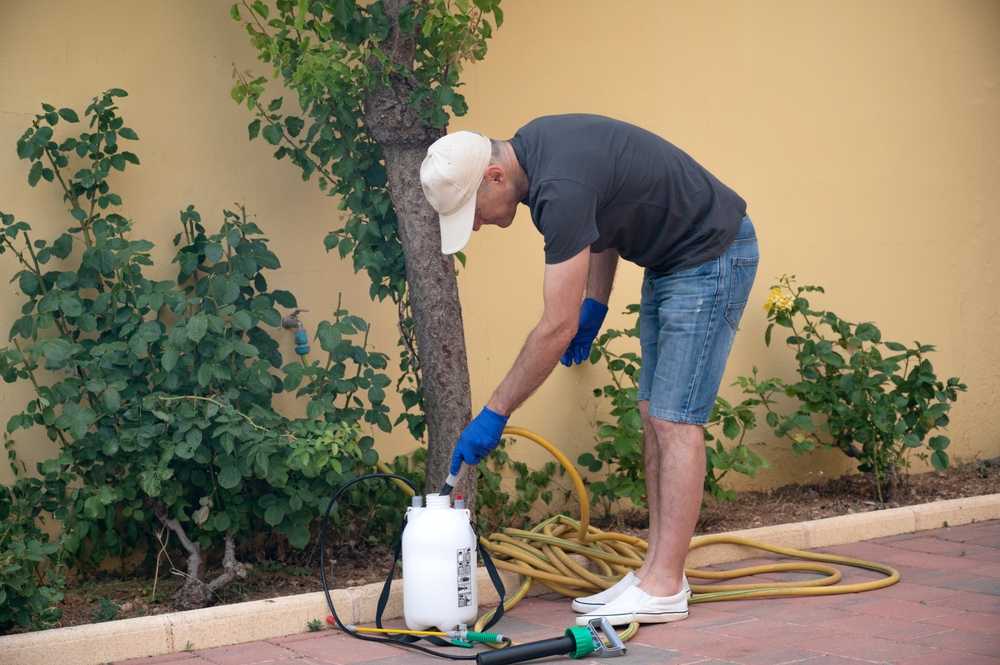
Start with a basic toolkit: a quality sprayer, baits, traps, and protective gear. These items cover most common household pests and help you apply products accurately and safely. Investing in reliable, professional-grade equipment can save time and reduce repeat treatments.
When selecting pest control products, focus on the target pest and the active ingredient, not just the brand name. Different pests respond to different formulations. For example, products designed for ants and roaches often use different active ingredients than those meant for mites, caterpillars, or flying insects. Reading labels and choosing pest-specific products helps you avoid wasting money on the wrong treatment.
For many home infestations, baits and traps offer targeted control with less exposure risk than broad spraying. Use sprays or concentrates when you need perimeter protection, crack-and-crevice treatment, or outdoor control. Combining the right tools with the right product and applying them consistently is the most effective way to manage pests and prevent them from coming back.
Professional Pest Control Supplies vs. DIY Solutions
Considering professional pest control supplies versus DIY solutions involves several factors. Professionals save time and effort by following structured plans and leveraging their expertise for effective pest elimination. Their expertise in pest management significantly reduces the chance of re-infestation.
However, DIY pest control can be more economical, allowing homeowners to address pest issues directly without the high costs associated with professional services. Essential pest control items include both chemical and non-chemical options, which can be mixed to enhance effectiveness when following specific guidelines. Using baits as a primary method often minimizes exposure risks while providing effective results.
Professionals can identify and address pest damage, which is crucial for issues like termites that cause significant structural harm quickly, while the overall cost of DIY pest control can be misleading. Consider the necessary equipment and time involved; hiring experts may prove more economical in the long run. Weighing the pros and cons of each approach helps in deciding the best course of action for your pest control needs.
Expert Advice on Application Techniques
Effective application of pest control products is essential for successful pest management. Using the right equipment, such as calibrated sprayers, ensures the correct distribution of pest control products. Self Control Pest, for example, integrates a comprehensive kit with a battery-powered applicator, providing efficient and consistent pesticide application.
The timing of the application is also important. Applying pesticides during calm weather conditions minimizes drift and ensures targeted application. Mixing products like Bifen and Nyguard can enhance effectiveness, but following recommended dosages and application methods is crucial, such as using 1/3 oz of Bifen IT per gallon for indoor and outdoor use.
Seasonal Pest Management Tips
Pest activity changes with the seasons, so understanding these patterns is vital for effective pest control. In spring, ants and termites become active with warmer temperatures, making it essential to inspect homes for cracks and seal gaps to prevent their entry. Reducing standing water and maintaining cleanliness can also deter these pests.
Summer often brings an influx of mosquitoes and flies, necessitating focused efforts on eliminating standing water and using insect repellents.
Fall is the time to seal entry points as rodents and spiders seek indoor shelter, while winter requires vigilance in keeping food sealed and maintaining a clean environment to prevent rodent infestations.
Seasonal pest management helps tackle the pests most likely to invade your home at different times of the year, keeping your living space comfortable and pest-free.
Safe Use of Chemicals and Pesticides
Safety is paramount when handling pest control chemicals and pesticides. Always wear proper protective gear, including gloves and masks, to prevent exposure. Protective clothing, like long-sleeved shirts and pants, further minimizes skin contact with harmful substances. It’s also crucial to remove children, pets, and even bees from treated areas until pesticides are completely dry.
Avoid applying pesticides on windy or rainy days to prevent chemical exposure. Carefully reading and following label instructions for dosage and application methods ensures both safety and effectiveness. Avoid using outdoor pesticides indoors, as they can be hazardous and remain toxic longer inside.
Rodent repellents made from natural ingredients can deter pests without harsh chemicals for those seeking less-toxic options. Insecticides that are fragrance-free reduce indoor odors while effectively controlling pests. Adhering to these safety guidelines helps protect yourself, your family, and the environment while managing pests effectively.
DIY Pest Control for Edible Gardens
An edible garden requires careful pest control practices to ensure food safety. Neem oil is a versatile pest control product used in organic gardening to manage various pests. Bacillus thuringiensis, a natural bacterium, is effective against caterpillars and is commonly used in organic gardening. Using compost free from chemical residues is essential for maintaining healthy soil in edible gardens.
Encouraging natural predators, such as toads and beneficial insects, can help control pest populations without resorting to chemicals. Motion-activated sprinklers can deter larger pests like deer from entering the garden, protecting your plants. Ensuring that pest control products used are safe for food plants is paramount for maintaining food safety.
Implementing these strategies protects your edible garden from pests while ensuring that the produce remains safe and healthy for consumption.
Dealing with Infestations
Infestations require a strategic approach. First, identify the specific type of pest and determine its sources, as different pests have unique habits. For example, a massive flea infestation in the yard requires identifying the pest type and its breeding grounds. Using traps and baits as the first response to infestations is recommended, along with less-toxic options such as boric acid.
DIY pest control is generally more economical, allowing homeowners to address pest issues directly and avoid significant fees associated with professional services. However, the costs of professional pest control can escalate significantly based on the severity of the infestation, type of property, and treatment methods required.
Balancing cost and effectiveness of DIY solutions versus professional services is crucial in dealing with severe infestations. Taking these initial steps helps manage pest infestations effectively and prevents them from becoming larger problems in the future.
Maintaining Your Pest-Free Home
After pests are under control, maintaining a pest-free home and using traps properly requires continuous effort. Understanding what pests seek (food, water, and shelter) enables homeowners to eliminate these resources, which is crucial in pest prevention. Sealing food in airtight containers and regularly disposing of garbage significantly reduce attraction for pests.
Sealing cracks and crevices effectively blocks entry points for pests, contributing to a pest-free environment. Reducing clutter in your home limits breeding grounds for pests and makes it easier to maintain pest control. Continuous monitoring of pest activity is essential to assess the effectiveness of control measures and decide on further actions.
When to Hire Professional Pest Control Services
Sometimes, hiring a professional pest control company is the best option. For severe infestations or pests like termites that cause significant structural damage, professional services are invaluable.
Effective DIY pest control involves understanding the essentials, choosing the right products, and following expert application techniques. Seasonal management and safe use of chemicals are crucial for maintaining a pest-free environment. While DIY solutions can be economical, knowing when to hire professionals ensures comprehensive pest management. Implementing these tips will help you create a comfortable, pest-free home.
Frequently Asked Questions
What are the essential items for DIY pest control?
For effective DIY pest control, ensure you have a good sprayer, insecticides, baits, traps, and protective gear. These professional products are crucial to manage pest issues safely and efficiently.
How do I choose the best pest control products?
To choose the best pest control products, focus on the specific pests you need to address and look for effective active ingredients such as Abamectin, Pyrethrins, and Fipronil. This targeted approach ensures better results and safety.
What safety precautions should I take when using pesticides?
To ensure your safety when using pesticides, always wear protective gear and avoid application on windy or rainy days. Additionally, keep children, pets, and animals like bees away from treated areas until they are dry.
How can lawn care prevent pest infestations?
Maintaining a healthy lawn through regular mowing, proper watering, and aerating can significantly reduce pest habitats. This proactive lawn care promotes a robust environment that deters infestations.
When should I hire professional pest control services?
You should hire professional pest control services when dealing with severe infestations or pests that threaten structural integrity, like termites. Taking action promptly can prevent further damage and ensure effective management.
"*" indicates required fields
"*" indicates required fields