 Agents Available 24/7
Effective Ant Repellent Solutions: Top Natural Methods to Keep Ants Away
Ants invading your space? The following natural ant repellents offer the most effective ways to deter ants using safe and eco-friendly methods. These proven techniques utilize natural substances such as peppermint oil, vinegar, citrus fruits, and essential oils. By following these guidelines, you can keep ants out of your home and achieve permanent ant elimination.
Understanding ant behavior, including the study of pheromone trails and the roles of worker ants, is fundamental for both prevention and effective DIY ant control. Ants communicate through chemical signals, which makes disrupting these signals a powerful strategy in repelling them.
Peppermint oil, lemon eucalyptus oil, vinegar solutions, and citrus oil provide safe and eco-friendly ant repellent effects. These natural compounds interfere with ants’ ability to navigate and locate food sources.
Future ant infestations can be prevented by sealing entry points, maintaining a clean home environment, and securely storing pet food bowls. Regular monitoring and maintenance are key to keeping your home ant-free.
Understanding Ant Behavior
Successful ant repellent measures depend on a thorough understanding of ant behavior patterns. Thousands of worker ants in a colony function as a single unit, performing specialized tasks such as foraging, nest maintenance, and defense. Ant colonies build extensive underground nests with complex tunnel networks that provide shelter and facilitate communication.
Ants use pheromone trails as their primary communication method to navigate and mark food locations. Scout ants discover food sources and establish pheromone paths that guide other ants toward the discovery. The entire colony uses this system to gather food efficiently and ensure survival. Disrupting these pheromone trails is crucial in preventing ants from returning.
Food presence in kitchens attracts ants, which enter homes through small openings like cracks in walls, door frames, and window sills. Ants have a strong sense of smell that allows them to track food sources, including pet food and crumbs. Understanding these behaviors is key to stopping ants from entering your home and addressing the root causes of infestations.
Natural Ant Repellents for Home Use
Natural ant repellents are safe and effective alternatives to chemical deterrents. Many derive from common household items such as boiling water, coffee grounds, cayenne pepper, and diatomaceous earth, providing environmentally friendly ant protection without harmful residues.
Effective natural insect repellents include peppermint oil, lemon eucalyptus oil, vinegar solutions, and other essential oils. These substances not only repel ants but also disrupt their communication and foraging behaviors.
Peppermint Oil
Peppermint oil has strong ant-repellent properties that effectively deter carpenter ants and other species. Exposure to peppermint oil disrupts ant pheromone trails, causing ants to lose interest in your home. Its fresh minty fragrance also creates a pleasant scent for your living space.
Store peppermint oil safely away from pets, especially cats, as it can be toxic to them. Apply it near entry points such as window sills, door frames, and baseboards to block ant access. Regular application helps maintain an ant-free environment.
Vinegar Solutions
A mixture of vinegar and water in a clean spray bottle serves two purposes: it disrupts ant pheromone trails and kills ants on contact. A 3:1 water-to-vinegar ratio is recommended for optimal effectiveness. Spray this solution on areas where ants are present, particularly entry points, countertops, and floors.
Regular use prevents ants from establishing scent trails used for food location and communication. Vinegar’s acidity also helps clean surfaces, removing food residues that attract ants.
Citrus Fruits and Citrus Oil
Citrus fruits like lemons, limes, oranges, and grapefruit contain D-limonene, a compound toxic to ants. Placing citrus peels or lemon rinds near entry points and pet food bowls deters ants without harmful chemicals. The strong smell masks food odors and interferes with ants’ chemical trails.
Citrus oil sprays both mask food odors and disrupt ant communication, making your home less attractive to ants. These sprays can be used around windows, doorways, and kitchen areas for added protection.
DIY Ant Repellent Sprays and Baits
Homemade ant repellent sprays are effective, eco-friendly solutions. Combining household ingredients such as vinegar, lemon juice, tea tree oil, and peppermint oil creates sprays safe for pets and family. These sprays can be customized based on available ingredients and specific ant problems.
DIY ant baits made with boric acid mixed with corn syrup or sugar attract worker ants. These ants carry the slow-acting poison back to the colony, eliminating it over time. Proper placement of baits in areas inaccessible to pets and children is essential for safety.
Lemon Juice Spray
Mix equal parts lemon juice and water in a clean spray bottle. Use this spray on entry points and ant trails to repel ants and disrupt their chemical communication. Lemon juice’s acidity and strong smell make it an effective natural ant deterrent.
Essential Oil Blends
Prepare a spray with 8 ounces of water, 30-40 drops of tea tree oil, peppermint oil, or lemon eucalyptus oil, and 30 drops of alcohol in a clean spray bottle. Apply to ant-prone areas such as baseboards, window sills, and kitchen counters for natural deterrence. These essential oils have strong smells that ants hate, making them powerful ant repellents.
Boric Acid Bait
Mix boric acid with corn syrup or sugar to create bait. Place the bait in locations inaccessible to pets and children. Worker ants consume the bait and transport it to the colony, resulting in permanent ant elimination. This slow-acting poison effectively targets the entire ant colony over time.
Other Effective Natural Methods
- Sprinkle cayenne pepper or ground cinnamon around entry points to confuse and deter ants. These spices have strong smells that ants hate, disrupting their scent trails.
- Use coffee grounds near ant trails as a natural repellent. The strong smell masks food odors and discourages ants from entering.
- Apply diatomaceous earth around baseboards and entryways to dehydrate and kill ants. This natural powder is safe for humans and pets but lethal to ants due to its abrasive properties.
- Mix baking soda and powdered sugar to attract and kill sugar ants. The sugar lures ants, while the baking soda disrupts their digestive systems.
- Draw chalk lines around entry points to disrupt ant scent trails. Chalk contains calcium carbonate, which confuses ants and prevents them from following their usual paths.
- Use dish soap mixed with water as a spray to kill ants on contact and remove scent trails. Soap breaks down the ants’ protective exoskeletons and erases pheromone markers.
- Employ glass cleaning spray to wipe surfaces and erase ant pheromone trails. This helps prevent ants from retracing their paths into your home.
Preventing Future Infestations
Prevention is essential. Seal cracks and gaps around doors, windows, and window sills using caulk. Maintain weatherstripping on doors and garage doors to block any entry points.
Clean and store pet food bowls properly when not in use. Store food securely in sealed containers and clean up crumbs daily. Keep vegetation and yard debris away from your home’s perimeter to minimize ant habitats.
Regularly inspect your home for ant entry points, including floorboard holes and damaged window screens, to stop ants permanently. Maintaining a clean and dry environment reduces the likelihood of attracting ants.
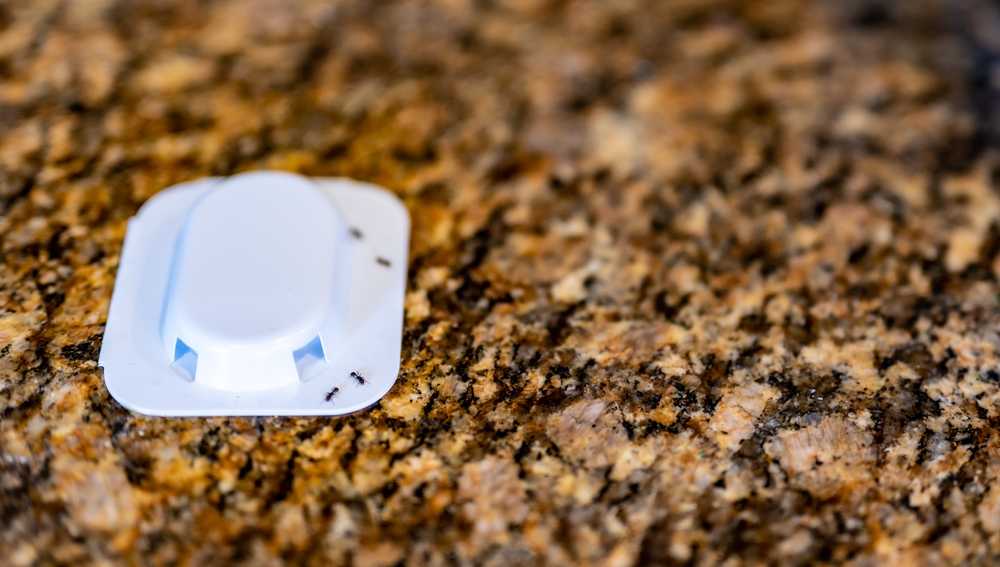
Place ant traps throughout your home to monitor and reduce ant activity. When used correctly, ant traps attract worker ants and eliminate entire colonies.
Combining chalk lines and sprinkling pepper at entry points creates barriers that prevent ants from entering your living areas, enhancing your home’s defense against infestations.
Professional Pest Control Services
If natural methods fail, can provide effective solutions professional pest control services. Experts identify ant species, including carpenter ants and sugar ants, and apply targeted treatments using safe insecticides and bait traps.
Ongoing inspections and follow-up visits help keep your home free of ants and protect against future invasions. Professionals can also advise on integrated pest management strategies tailored to your home.
Understanding ant behavior and using natural repellents like peppermint oil, lemon eucalyptus oil, vinegar, and citrus fruits enables you to repel ants naturally. Combining homemade sprays and baits with preventive measures stops ants from returning and keeps your home ant-free.
If natural solutions are insufficient, professional pest control services offer effective elimination and protection for your property.
Frequently Asked Questions
What home-based natural ant repellents can I use?
Peppermint oil, lemon eucalyptus oil, vinegar solutions, and citrus fruits are effective natural ant repellents.
How do I prepare a homemade ant repellent spray?
Mix one part lemon juice with one part water, add peppermint oil, tea tree essential oil, or lemon eucalyptus oil, and place the mixture in a clean spray bottle. Adding a small amount of alcohol enhances effectiveness and shelf life.
What should I do if natural methods don’t completely get rid of ants?
Consider professional pest control services that use bait traps and targeted treatments for complete ant elimination.
How can I prevent future ant infestations? For tips on prevention strategies and to learn about the common ant species near Seattle, visit this resource. For those in the Tacoma and Puyallup areas, Whitworth Pest Solutions—part of the PURCOR family—offers comprehensive pest control services.
Seal all openings, maintain cleanliness, store food properly, clean pet food dishes regularly, remove fallen fruit from around fruit trees, and trim vegetation around your home.
Are these natural ant repellents safe for pets and children?
Generally, yes. However, essential oils like peppermint oil and tea tree essential oil require careful use around pets, especially cats, as they can be harmful.
Can I use essential oil sprays safely around pets?
Essential oil sprays are effective but must be used with caution in homes with pets. Avoid spraying areas accessible to pets and prepare oils properly. Use only small amounts of tea tree essential oil and peppermint oil, and never apply directly on pets or their bedding.
"*" indicates required fields
"*" indicates required fields