 Agents Available 24/7
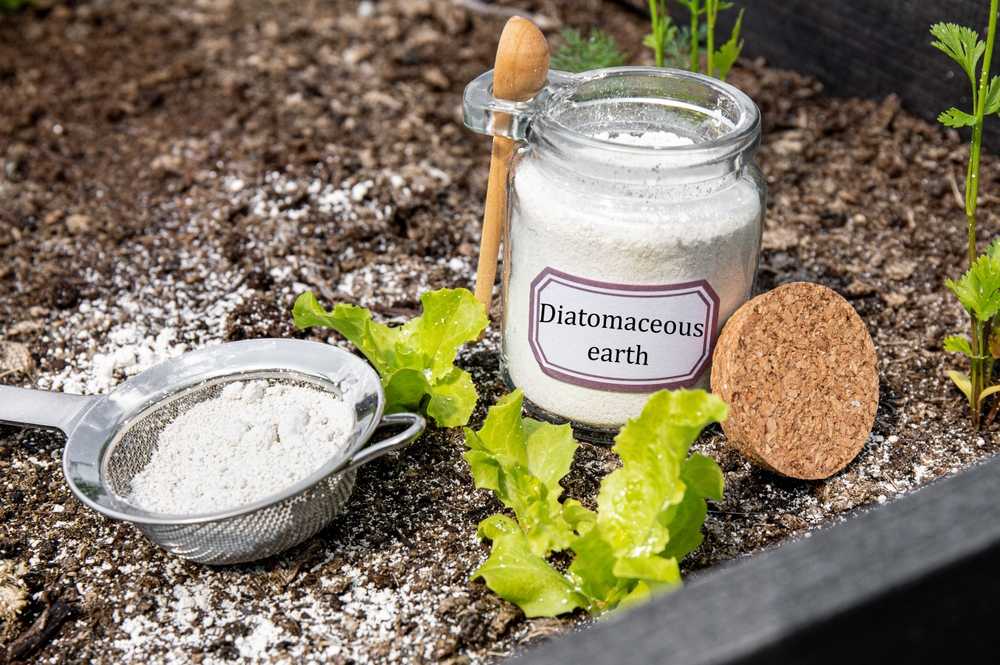
Diatomaceous Earth Food Grade: Uses, Benefits, and Safety Tips
Want to know about diatomaceous earth food grade and its uses? Find out if it’s safe, what benefits it has and how to use it in this guide.
- Food grade diatomaceous earth is safe for human and animal use, different from filter-grade DE by its amorphous silica content and recognized by the FDA.
- Some users report health benefits like improved bone health but there’s no scientific evidence to support these claims and use caution when taking diatomaceous earth as a supplement.
- Proper handling is key to avoid respiratory issues and only use food grade DE with less than 1% crystalline silica to minimize health risks.
What is Diatomaceous Earth Food Grade
Diatomaceous earth is more than just a fancy name. It’s a soft sedimentary rock made from the fossilized remains of tiny aquatic organisms called diatoms. These microscopic algae left behind a legacy in the form of amorphous silica, the main component of food grade diatomaceous earth.
Filter-grade diatomaceous earth is heated and contains harmful crystalline silica. Food grade diatomaceous earth is made of amorphous diatomaceous earth and is recognized as safe. This is important because crystalline silica can be very harmful, while amorphous silica in food-grade DE is generally considered safe for human and animal use.
Food grade diatomaceous earth is also recognized as generally safe by the FDA, making it good for various uses from dietary supplements to pest control, a versatile solution that’s effective and safe.
Benefits of Food Grade Diatomaceous Earth
The benefits of food grade diatomaceous earth have gotten attention, with anecdotal reports of improved bone health, detoxification, and digestive support. The silica in DE is believed to contribute to healthy aging of bones and joints, making it popular among those looking for natural health remedies.
But approach these claims with a grain of salt. Despite the many anecdotal reports, there’s no scientific evidence to support the benefits of food-grade diatomaceous earth. This gap in research means that while some people swear by it, others may not experience the same benefits.With current knowledge, taking food-grade diatomaceous earth as a dietary supplement is not recommended. There’s no evidence-based nutrition research, so its effectiveness and safety for human consumption are unknown.
Some users have reported flu-like symptoms when they started taking DE, often referred to as ‘die-off’ symptoms. While these are anecdotal and not scientifically proven, if symptoms persist for more than a few days, stop taking the product and see a doctor.
Safety and Side Effects
Food grade diatomaceous earth is generally recognized as safe by the FDA, but it’s important to make sure the product has less than 1% crystalline silica to avoid health risks. Taking DE with higher levels of crystalline silica can cause serious lung conditions like silicosis.
Also note that while DE is generally recognized as safe, some users have reported health issues like flu-like symptoms. These ‘die-off’ symptoms are not scientifically proven and should be monitored closely. If symptoms persist, stop using the product and see a doctor.
Lung Irritation Risks
Inhaling diatomaceous earth can cause nasal passage irritation and respiratory issues. This is more concerning for those who handle DE frequently without proper precautions. Chronic exposure to DE dust can cause lung damage and increase the risk of respiratory diseases.
Crystalline silica in DE poses big health risks. Inhaling this form of silica can cause silicosis, a severe lung disease characterized by inflammation and scarring of the lung tissue. So make sure to use food grade DE with less than 1% crystalline silica and silicon dioxide.
Minimize inhalation risks by using DE in well-ventilated areas and avoid dust creation. When handling DE, use protective gear like masks and gloves. See a doctor if respiratory issues or symptoms occur.
Anecdotal Flu-Like Symptoms
Some people report flu-like symptoms after starting to use diatomaceous earth. These symptoms, often referred to as ‘die-off’ symptoms, include fatigue, headaches, and general malaise. These are anecdotal and not scientifically proven, so it’s hard to determine their validity.
If flu-like symptoms persist for more than a few days, see a doctor. Monitor any adverse reactions and respond accordingly to ensure your health and safety, even if DE is generally considered safe.
How to Use Food Grade Diatomaceous Earth
Mix DE with water and drink immediately if you want to consume it. This method is used by those who want to take the supposed health benefits of DE. Consult a healthcare provider first, as mentioned above, and be cautious.
Pets can also benefit from food-grade diatomaceous earth. A teaspoon a day is recommended for cats, small dogs can start with the same amount and gradually increase to ensure they can tolerate DE well.
For livestock, the recommended feed rate is 5% of dry feed a day for dairy and beef cattle. This can help control parasites and overall health. Make sure the DE used is food grade and free from additives.
Choosing the Right Diatomaceous Earth
Choosing the right diatomaceous earth ensures safety and effectiveness. Prioritize products labeled as food grade as these are safe for consumption and use around pets and livestock.
The Organic Materials Review Institute (OMRI) certifies products for organic use and ensures they meet strict purity standards. This certification can give you extra assurance of the product’s quality and safety. Avoid diatomaceous earth with no additives or fillers as these can compromise the product’s purity and effectiveness.
Food grade diatomaceous earth products must meet specific heavy metal limits to ensure minimal levels of arsenic and lead. Check for compliance with these standards to ensure the product is safe and effective.
Other Uses of Food Grade Diatomaceous Earth
Food grade diatomaceous earth is a non-toxic insecticide effective against various pests, including bed bugs and fleas. It works by dehydrating insects, absorbing the oils and fats from their exoskeletons, and killing them. This makes it a great tool for pest control.
In gardens, DE can be applied to pest-infested areas. For example, 250g of DE can cover 25 square meters. 250g of DE mixed with 4 liters of water is effective as a liquid spray. This method controls fire ants and limits weed dispersion. Beyond pest control, DE has non-consumptive uses such as in animal feed and as a natural insecticide in homes. Its safety around food surfaces makes it a versatile product for a pest-free environment.
Professional Pest Control Services
While DE is effective, sometimes professional help is needed for severe infestations. This kind of expertise can ensure pest problems are handled efficiently and safely.
Food grade diatomaceous earth has many benefits, from potential health improvements to effective pest control. While anecdotal reports suggest benefits like bone health and detoxification, approach these claims with caution as there’s no scientific evidence. Always make sure the DE you use is food grade and free from additives.
For severe pest issues, professional services like PURCOR Pest Solutions can provide effective and safe management. As you explore the uses of food-grade diatomaceous earth, remember to prioritize safety and quality to make the most of this versatile product.
Frequently Asked Questions
What is food grade diatomaceous earth?
Food grade diatomaceous earth is a natural, soft sedimentary rock made from fossilized diatoms, commonly used as a safe additive in food and farming due to its benefits. Make sure it’s labeled food grade to ensure safety for consumption.
Is food grade DE safe to consume?
Food grade DE is safe to consume as it’s generally recognized as safe by the FDA for human and animal use.
What are the health benefits of DE?
While there are anecdotal claims of benefits like bone health and detoxification from diatomaceous earth, there’s no scientific evidence to support these claims. Approach its use with caution and consult a health professional.
Can DE cause lung irritation?
Yes, inhaling diatomaceous earth (DE) can cause lung irritation and respiratory issues so use with caution and minimize dust creation.
"*" indicates required fields
"*" indicates required fields