 Agents Available 24/7
How to Control Lawn Grubs and Protect Your Grass
Grubs are beetle larvae that burrow into your lawn and feed on grass roots, causing brown patches and wilting. These typical white grub pests can lead to significant lawn damage if not managed. This article will guide you on identifying, controlling, and preventing these larvae to keep your lawn healthy.
- Understanding the life cycle of lawn grubs, including their stages from egg hatch to adult beetles emerge, is critical for effective management and control.
- Implementing an Integrated Pest Management (IPM) strategy, which includes cultural, biological, and chemical controls, can significantly reduce larval populations and protect turf health.
- Regular monitoring for signs of infestation, such as wilting grass and wildlife activity, is essential for early detection and timely intervention.
Effective Strategies for Controlling Lawn Grubs
White grubs, the larvae of scarab beetles, are notorious lawn insects that feed on grass roots, often leading to significant damage. Understanding their biology and lifecycle is crucial for effective lawn pest control. These tiny larvae burrow into the soil and chew on turfgrass roots, causing patches of wilting and dying grass. The damage can be extensive if left unchecked.
To combat these pests, it’s essential to identify the white grub species infesting your lawn, including the Japanese beetle, oriental beetle, and asiatic garden beetle, recognize the signs of feeding, and implement a comprehensive management strategy. This guide will walk you through various methods, from cultural practices to biological and chemical treatments, ensuring you have a robust plan to maintain a healthy lawn and prevent these larvae from taking over.
The key to effective control lies in understanding their life cycle. White grubs undergo several stages, starting as eggs laid by adult beetles in the soil during early summer. These eggs hatch into young instar larvae, which begin feeding on grass roots, causing damage that becomes evident as discolored and wilting patches of turf. As they mature, the larvae continue to feed and grow, eventually pupating and emerging as adult beetles in late summer.
Recognizing the timing of these stages is crucial for successful intervention. By targeting the larvae when they are most vulnerable and actively feeding, you can significantly reduce their population and the resulting damage to your lawn.
In this guide, we’ll explore the various stages of the life cycle and how to effectively manage each stage to protect your turf.
Understanding Lawn Grubs
Lawn grubs, the larvae of scarab beetles, are a common problem for homeowners and turf managers alike. These pests, including Japanese beetle larvae and green June beetles, feed on grass roots, causing extensive damage to lawns.
Understanding their biology and lifecycle is essential for effective management and prevention.
Identifying Lawn Grubs
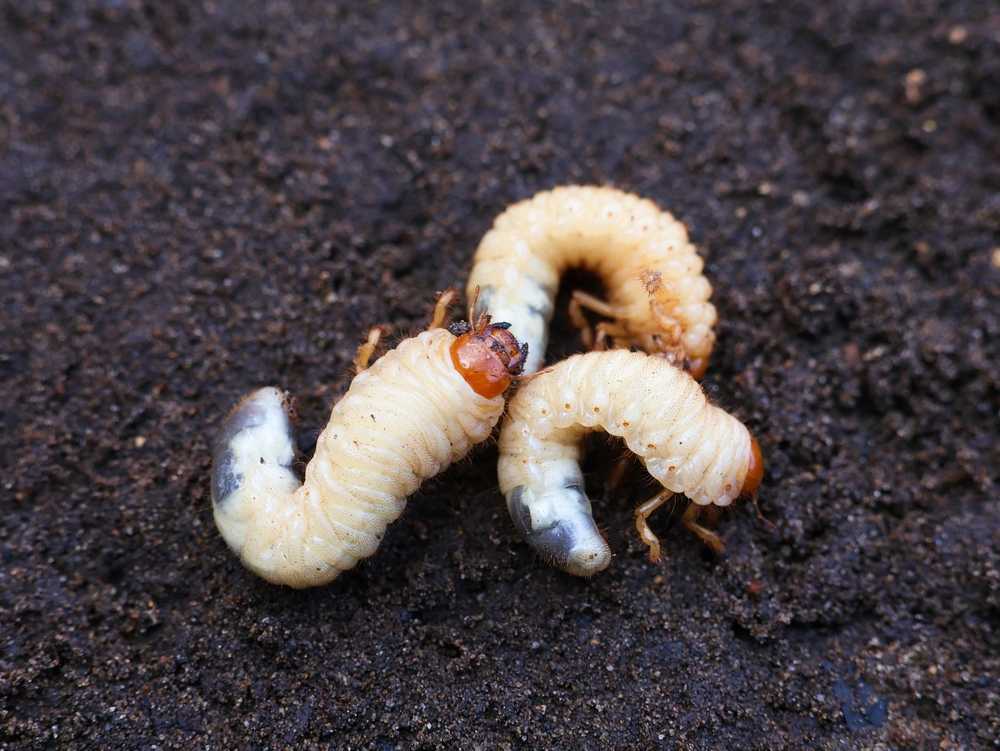
Identifying lawn larvae is the first step in managing them. These tiny grubs are typically C-shaped and range from 1/4 to 1-1/2 inches in length. Their white color and the raster pattern on the underside of their abdomen, along with a brown head, are distinctive features that can help in identification. Observing the arrangement of spines near the anal opening can also assist in determining the specific species.
When inspecting your lawn for these larvae, look for these physical traits. If you find these C-shaped insects, it’s crucial to confirm their presence and take action to prevent further damage to your turf.
Common Beetle Species
Several beetle species are commonly associated with lawn grubs, including Japanese beetles, European chafer beetles, oriental beetles, asiatic garden beetles, and green June beetles. These beetles belong to the Scarabaeidae family, and their larvae, known as white grubs, can pose a significant threat to lawns. For instance, Japanese beetles are notorious for causing substantial damage to turfgrass in regions like South Carolina.
Each species has unique characteristics and lifecycle stages, making it essential to identify which adult beetle species are present in your lawn to develop an effective control strategy.
Life Cycle of Lawn Grubs
The life cycle of lawn grubs includes four stages:
- Egg hatch
- Larva (grub stage with instar larvae)
- Pupa
- Adult (adult beetles emerge)
Most annual white grub species complete a one year life cycle, with peak damage occurring during the summer and fall. Understanding these stages is crucial for timing your control measures effectively. Adult beetles lay eggs in the soil, which hatch into larvae that feed on grass roots, causing damage.
As the larvae continue to feed and grow, they eventually pupate and emerge as adult beetles. By targeting the larvae during their vulnerable stages, you can significantly reduce their population and protect your lawn from extensive damage.
Signs of Infestation
Recognizing the signs of an infestation early can prevent extensive damage to your lawn. Wilting and discolored areas in the turf that don’t improve with irrigation can be a sign of larval activity. These patchy spots are usually the initial indications of the problem.
Regular monitoring of soil moisture can also help detect the presence of white grubs, as they tend to move toward the soil surface when it is moistened.
Damage
Damage typically manifests as wilting and dead patches in the turf. White grubs feed on plant roots and decaying organic matter, resulting in loose turf that can be easily rolled back. This damage can resemble symptoms of heat stress or disease, making it essential to confirm the presence of grubs.
Severe infestations can lead to grass detaching from the soil with little effort, similar to lifting a carpet. By recognizing these signs, you can take timely action to address the problem and prevent further damage.
Secondary Indicators
In addition to visible damage to the grass, secondary indicators such as increased wildlife activity can signify the presence of these larvae in your lawn. Animals like birds and raccoons may dig up the turf in search of these tasty larvae.
Observing such behavior, combined with other signs of infestation, can provide an early warning and help you take preventive measures.
Monitoring and Detection Techniques
Monitoring and detecting white grub populations in your lawn is crucial for preventing significant damage. Regular inspections should be conducted at multiple locations within the lawn to gauge the severity of infestations.
Digging around the roots, especially in late winter or summer, can help identify the presence of grubs.
Soil Sampling
Soil sampling is a reliable method for inspecting turfgrass for these larvae. By cutting a 12-inch square section of the lawn, prying it back, and inspecting the root zone and upper soil, you can determine the presence and number of larvae. Sampling different areas of the lawn provides a more accurate assessment of the infestation.
Healthy turfgrass usually can withstand approximately 5 to 7 larvae per square foot. This level of infestation is generally manageable for the grass. If the number of larvae exceeds this threshold, it’s time to treat to prevent further damage.
Visual Inspection
Visual inspection is another key method for early detection of lawn grub damage. Look for signs such as wilting grass, dead patches, or unusual wildlife activity like birds or raccoons digging.
Observing these signs can help you take timely action and manage potential infestations effectively.
Integrated Pest Management (IPM) for Grubs
Integrated Pest Management (IPM) combines various strategies, including cultural, biological, and chemical controls, to address these issues sustainably. Maintaining a healthy lawn through proper soil and grass care can significantly reduce the likelihood of infestations.
By implementing a comprehensive IPM plan, you can effectively manage populations and prevent damage to your turf.
Cultural Practices
Healthy lawn maintenance through proper irrigation, fertilization with nitrogen fertilizer, and overseeding can help resist infestations. Aeration improves nutrient access to the grass roots, facilitating recovery from any damage inflicted by these larvae. After aerating the lawn, overseeding allows grass seeds to penetrate the soil and promote better growth in bare spots caused by damage.
Applying fertilizer post-treatment can strengthen the lawn’s root system and enhance its resilience against future pests and diseases. Implementing weed control after treatment is also crucial to prevent weeds from outcompeting recovering grass for nutrients.
Biological Controls
Biological controls, such as insect parasitic nematodes and milky spore disease, are natural methods for targeting and eliminating white grubs in the soil. Beneficial insect parasitic nematodes are natural parasites that specifically target and eliminate white grubs, while milky spore disease kills grubs and releases spores into the soil upon grub death.
The best time to apply these biological controls is when the larvae are in an early larval stage.
Chemical Treatments
Chemical treatments, including insecticides with extended residual activity like neonicotinoids or diamides, are recommended for preventing white grub infestations. These insecticides should be applied based on the timing of application for maximum effectiveness. Before applying synthetic insecticides, consult the label for identification of active ingredients, directions for use, and specific timing.
Post-application, it’s recommended to ensure irrigation or rainfall for effective insecticide function. Professionals have access to specialized pesticides that are more potent and effective than typical consumer options, ensuring better control of populations.
Preventing Lawn Grub Infestations
Preventing infestations requires proactive measures, such as applying a preventative control product in spring or early summer. This timing aligns with the life cycle of lawn grubs, helping to minimize their population before they become a significant problem.
By taking preventive actions, you can protect your lawn from extensive damage caused by these pests.
Timing of Preventive Actions
The ideal timing for preventive measures against lawn grubs is early-to-mid July, coinciding with when adult beetles lay their eggs. This timing is crucial as it aligns with the life cycle of lawn grubs, helping to minimize their population before they become a significant problem.
When reseeding cool-season grass areas, late summer or fall is the optimal time as grass grows actively during this period.
Soil Moisture Management
Maintaining appropriate soil moisture levels is a key preventive strategy for managing lawn grubs. Adequate soil moisture can deter beetles from laying eggs in your lawn, particularly during the summer months when they are most active.
Ensuring your lawn has the right amount of moisture can make it less appealing for beetles to start their lifecycle, thereby reducing grub populations and preventing potential damage.
Repairing Damaged Lawns
Once you’ve addressed the infestation, repairing the damage to your lawn is the next step. Assessing the extent of the damage and choosing appropriate repair techniques, such as reseeding and post-treatment care, are essential.
Removing any dead or loose grass and debris from the damaged area creates a suitable environment for reseeding and helps the lawn recover faster.
Reseeding Bare Patches
Reseeding bare patches is crucial for restoring your lawn’s appearance and health. After loosening the soil, distribute grass seed evenly over the affected area to promote regrowth. For optimal seed germination, work the grass seed into the soil using a hand cultivator to enhance seed-to-soil contact.
Using perennial ryegrass in seed mixes can help ensure quick germination for bare patches, effectively filling in the dead patches left by grub damage.
Post-Treatment Care
Maintaining consistent watering is crucial for the newly seeded areas to encourage healthy grass growth. Newly seeded areas require consistent light watering, especially during the first two weeks after sowing.
To protect germinating seeds from birds, you can use reflective objects or light coverings like burlap. This post-treatment care ensures that the lawn recovers quickly and becomes resilient against future infestations.
Professional Pest Control Services
Professional pest control services offer expertise and advanced treatment options, which are crucial for effectively managing severe infestations. When choosing a pest control service, consider factors such as reputation, experience, and the methods they use for grub control to ensure you receive effective and safe treatment.
Professional services can provide a comprehensive plan that includes preventive measures as well as treatments for existing infestations.
Choosing the Right Service
When selecting a pest control service, it’s essential to verify their expertise and experience specifically in managing grub issues.
Ensure that the service provider uses environmentally safe practices, especially in areas with sandy soil, to protect your lawn and the surrounding environment.
Effective management of lawn grubs involves understanding their lifecycle, identifying signs of infestation, and implementing a comprehensive control strategy. From cultural practices and biological controls to chemical treatments and professional services, there are various methods to protect your lawn from these damaging pests. Regular monitoring and timely preventive actions are essential to maintain a healthy, grub-free lawn.
By following the strategies outlined in this guide, you can ensure that your lawn remains lush and green throughout the year. Investing time and effort into proper lawn care and pest management will pay off in the long run, resulting in a beautiful outdoor space you can enjoy. Take action now to safeguard your lawn and enjoy the benefits of a well-maintained, grub-free turf.
Frequently Asked Questions
What are the signs of a lawn grub infestation?
The presence of patchy, wilting, and discolored turf that fails to recover with watering, along with increased wildlife activity such as birds or raccoons digging in the lawn, are clear signs of a lawn grub infestation. Addressing these issues promptly is essential to protect your lawn’s health.
When is the best time to apply preventive grub control measures?
The best time to apply preventive grub control measures is early to mid-July, when adult beetles are laying their eggs. Early spring or summer applications can effectively decrease grub populations.
How can I identify lawn grubs in my turf?
To identify lawn grubs in your turf, look for C-shaped, white grubs measuring between 1/4 to 1-1/2 inches long with a brown head. Examining the arrangement of spines near their anal opening can assist in determining the specific species.
What are the benefits of hiring professional pest control services?
Hiring professional pest control services ensures effective treatment through expert knowledge and access to advanced pesticides, leading to comprehensive management and prevention of infestations. This approach not only addresses existing problems but also reduces the likelihood of future occurrences.
How can I repair grub-damaged areas of my lawn?
To effectively repair grub-damaged areas, remove dead grass, loosen the soil, and evenly distribute grass seed. Consistent watering is crucial for promoting healthy growth in these newly seeded areas.
"*" indicates required fields
"*" indicates required fields