 Agents Available 24/7
Black Hornet: Identification, Behavior & Control Tips
Black hornets are a fascinating wasp species known for their distinctive black and white or black and yellow markings. This comprehensive guide covers how to identify these insects, understand their behavior, assess their risks, and offers effective management strategies.
These wasps have elongated, smooth, hairless bodies that can be confused with several species, including paper wasps and others. Their unique nesting habits and solitary behavior help distinguish them.
The danger comes from adult females who can sting multiple times with potent venom, making insect stings particularly painful. Maintaining situational awareness and keeping a safe distance from nests is crucial.
Despite their aggressive nature, these wasps play important ecological roles as pollinators and natural pest controllers, helping to maintain ecosystem balance and supporting agriculture.
What is a Black Hornet?
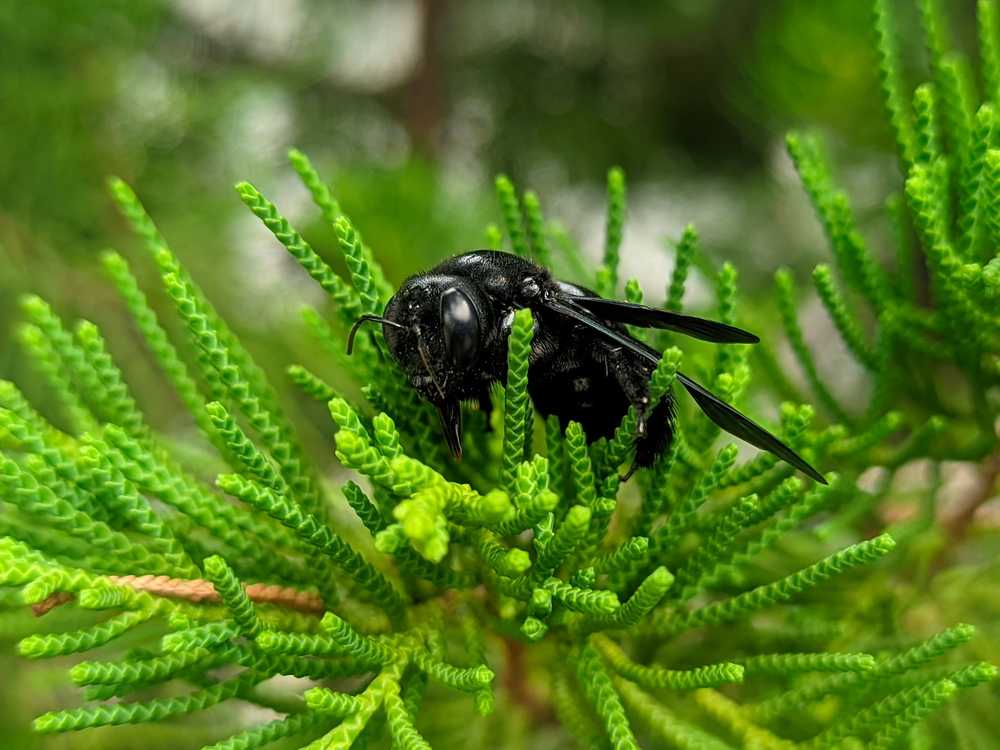
This species is characterized by its slender, hairless bodies with black and white or black and yellow coloration. Unlike bees, they lack fuzzy hair, aiding in identification. Their large size and flying behavior often lead to confusion with other wasp species, such as yellowjackets and great black wasps.
Understanding their common name, presence, and behavioral patterns, including nesting and feeding, is essential for accurate identification and control.
Identifying Black Hornets
Typically measuring up to 1.5 inches in length, these wasps are larger than many other species. They have two pairs of wings, six legs, and a smooth, hairless body. The bald-faced hornet, a well-known species, features a distinctive white face and diagonal white markings on its abdomen.
Their stinger, wielded by adult females, serves both as a defense and for capturing prey. Recognizing these traits helps avoid dangerous encounters.
Are Black Hornets Dangerous?
Known for their territorial and aggressive behavior, especially when nests are disturbed, only adult females possess stingers and can sting multiple times, delivering venom more potent than many other wasps. This makes their insect stings particularly painful and potentially dangerous, especially for individuals prone to allergic reactions.
To minimize risk, keep at least 6 to 10 feet away from nests. Wearing protective clothing like long sleeves and gloves is recommended when approaching.
Black Hornet Nests
These wasps build aerial nests from paper-like material made by chewing wood fibers mixed with saliva. These nests are often located in hollow trees, building eaves, or high branches, protecting them from predators.
Additionally, female individuals construct underground nests with long egg chambers provisioned with paralyzed prey insects such as grasshoppers. Eggs are laid on the prey, allowing larvae to feed safely.
Behavior of Black Hornets
As solitary wasps, they can display aggressive behavior near residential areas. Their primary food source is nectar from flowering plants, but they also scavenge human food waste at outdoor events, increasing the chance of encounters.
Their aerial nests are built in protected locations above ground to safeguard the colony. Maintaining cleanliness and removing food scraps reduces attraction and infestation risks.
Managing Infestations
Due to their aggressive nature and potential danger, professional pest control is recommended for managing infestations. Professional services provide specialized, environmentally friendly treatments to safely remove nests and prevent re-infestations.
Regular inspections and ongoing pest control ensure year-round protection for homes and businesses.
Benefits
Despite their aggressive reputation, these insects are beneficial. As pollinators, they support the reproduction of many flowering plants, contributing significantly to global agricultural production. They also help control populations of pest insects like grasshoppers by hunting and provisioning prey for their larvae feed.
These ecological benefits highlight the important role they play in ecosystem balance.
Other Wasps Similar to Black Hornets
They are often confused with other species, such as European hornets, Eastern cicada killers, and great black wasps. European hornets prefer hollow trees for nesting, while aerial yellowjackets build nests on branches or structures near human activity.
The bald-faced hornet’s white face distinguishes it from yellowjackets, which have yellow faces. Great black wasps are entirely black without markings. Careful observation of body structure, head shape, and coloration aids in accurate identification.
How to Get Rid of Them Safely
The best time to remove nests is during late summer evenings when hornets are less active. Use insecticides designed specifically for hornet control and wait at least 24 hours after treatment before nest removal.
Sealing the nest in double-bagged containers prevents escape of surviving hornets. Thorough cleaning of the area reduces insecticide residues and lowers re-infestation chances. Bait traps can help reduce populations.
Professional pest control services ensure regular monitoring and effective long-term management.
Understanding identification, behavior, and control is vital for safety and ecological awareness. While these solitary wasps can be dangerous, they provide valuable pollination and natural pest control services.
By taking preventive measures and seeking professional help when necessary, you can maintain safety while preserving the beneficial roles they play in ecosystems.
Frequently Asked Questions
Do they sting?
Only adult females can sting multiple times, especially when nests are disturbed. Maintaining situational awareness helps prevent stings.
What should I do if I find a nest near my home?
Keep a safe distance and contact professional pest control services for safe nest removal.
Are they more dangerous than other wasps?
Their aggressive defense and potent venom make them more dangerous than many other species.
How can I identify them?
Look for an elongated, smooth, hairless body with distinctive black and white or black and yellow markings, especially the white face of the bald-faced hornet.
What are the benefits?
They serve as pollinators for flowering plants and natural pest controllers, supporting agriculture and ecosystem health.
"*" indicates required fields
"*" indicates required fields