 Agents Available 24/7
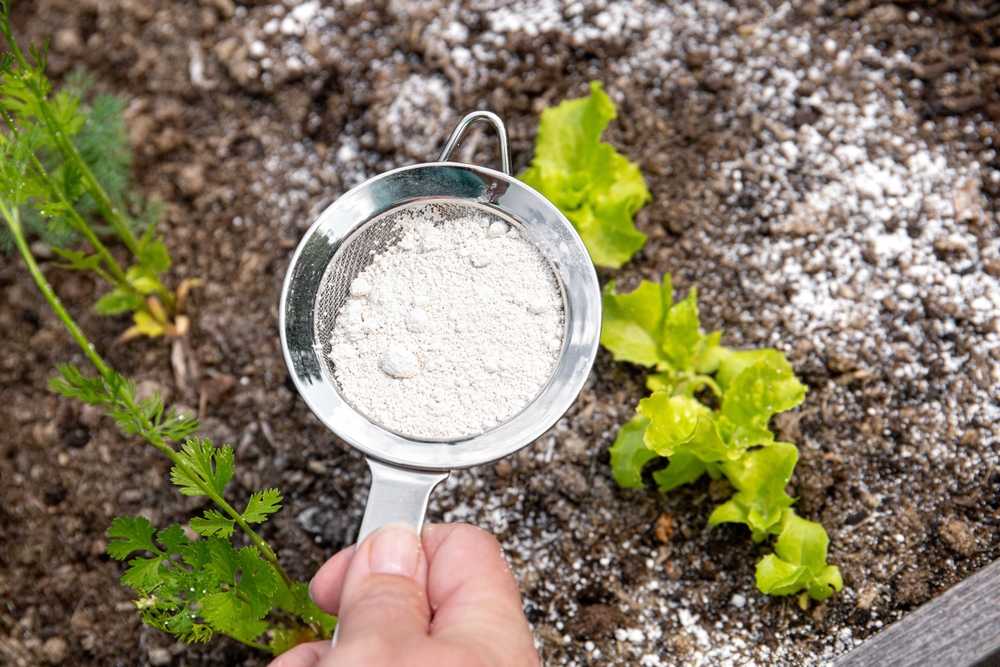
Top Diatomaceous Earth Uses: Practical Tips for Home and Garden
Wondering how to use diatomaceous earth effectively? This guide presents its main applications, including pest management, soil enhancement, odor elimination, pet health support, and more, highlighting the diverse diatomaceous earth uses.
What is Diatomaceous Earth?
Diatomaceous earth uses span a wide range of practical applications due to its unique composition. This naturally occurring, soft, siliceous sedimentary rock forms from the fossilized remains of tiny aquatic organisms called diatoms. These microscopic creatures have skeletons composed primarily of silica, or silicon dioxide, a naturally occurring form of silicon found abundantly in the earth’s crust. The unique structure of diatomaceous earth, consisting of fossilized algae with porous, abrasive particles, makes it highly versatile for various diatomaceous earth uses.
Versatile Applications of Diatomaceous Earth
Diatomaceous earth serves as a natural pest control agent while also working as a home deodorizer, a non-toxic cleaning and polishing aid, and a water filtration medium. Because it breaks down naturally, it is environmentally friendly and biodegradable, posing no harm to ecosystems when used properly.
Additional uses include improving soil structure for gardening, helping control parasites in animal care, purifying drinking water, and preserving food safely. Its composition consists primarily of amorphous silicon dioxide (silica), a naturally abundant material that contributes to its versatility and safety.
These diverse applications make diatomaceous earth a valuable, natural solution for households and gardens alike, and it is generally recognized as safe for humans and animals when used as directed.
Effective Pest Control
Diatomaceous earth provides a natural and effective pest control solution by physically damaging insects rather than poisoning them. Made from fossilized diatoms, the fine powder absorbs oils and fats from an insect’s waxy outer layer, breaking down its protective coating and causing dehydration and death.
It effectively controls a wide range of crawling insects, including fleas, ants, bed bugs, cockroaches, earwigs, caterpillars, aphids, and pests that infest stored grains. Diatomaceous earth is available in dusts, powders, and pressurized liquid forms for use in both home and garden settings. Because rain can wash it away, outdoor applications may require reapplication.
This method works only through direct contact and targets insects with exoskeletons, making it less effective against pests without protective outer shells. When used as directed, diatomaceous earth remains safe for humans and pets while providing reliable, chemical-free pest control.
Home Deodorization
Beyond pest control, diatomaceous earth effectively deodorizes homes. Its porous structure absorbs and neutralizes odors, making it useful for maintaining freshness in any living environment. Applying the diatomaceous earth powder on carpets and upholstery eliminates pet odors and smoke smells.
Placing a dish of diatomaceous earth in the refrigerator absorbs food odors, keeping it fresh and clean. Adding this product to trash cans absorbs moisture and odors, reducing pest attraction and keeping the kitchen odor-free. For an active lifestyle, placing diatomaceous earth in shoes and gym bags prevents unpleasant odors by absorbing moisture.
Pet owners can use food-grade diatomaceous earth to manage pet-related odors. Combining it with cat litter improves odor absorption and prevents bacterial growth. Adding it to pet bedding controls moisture and creates a comfortable, odor-free space for pets.
The natural substance absorbs moisture and odors, making it a versatile deodorizer throughout the home. Unlike chemical deodorizers, diatomaceous earth does not introduce harmful compounds into the environment, making it a safer choice for households with children and pets.
Cleaning and Polishing
Diatomaceous earth’s fine powder and abrasive nature make it an excellent cleaning and polishing agent. Its porous structure draws in grease and lifts it off surfaces for effective stain removal. Its chemical inertness ensures it does not react with surfaces, providing a safe, non-toxic alternative to harsh chemical cleaners.
It restores shine to silverware, functioning as a gentle yet effective polish that protects valuable possessions. It also cleans various surfaces around the home, from kitchen counters to bathroom tiles.
Using amorphous diatomaceous earth in cleaning creates a safer environment free from hazardous materials. The pure form of diatomaceous earth powder remains gentle yet effective, making it essential in your cleaning arsenal.
Its abrasive quality removes stubborn stains and buildup without scratching delicate surfaces. When combined with water or mild solvents, diatomaceous earth forms a paste that enhances cleaning power for tough grime.
Soil Improvement
Gardeners benefit from diatomaceous earth as a soil additive that improves soil structure through better drainage and aeration, creating optimal conditions for plant health. It reduces soil compaction and addresses issues with waterlogged or clay-heavy soils, promoting healthy root growth.
It becomes more effective when mixed with compost, enhancing soil quality and nutrient availability. Using food-grade diatomaceous earth in gardens avoids potential harm from other grades.
Applying diatomaceous earth in light layers ensures it does not hinder photosynthesis while benefiting the soil. This practice maintains a healthy and productive garden, making diatomaceous earth an essential tool for gardeners.
The porous nature of diatomaceous earth also retains moisture in soil, making it beneficial for drought-prone areas. Additionally, it acts as a natural pest deterrent in the soil by physically harming soft-bodied pests like slugs and snails.
Animal Care
Diatomaceous earth proves valuable for animal care, especially in managing external and internal parasites. Its abrasive nature causes fleas and ticks to dehydrate instantly upon contact. Apply it to pets’ dry fur at key areas like the neck and back for comprehensive coverage.
While generally safe, keep diatomaceous earth away from pets’ eyes, nose, and mouth to avoid irritation. Food-grade diatomaceous earth safely incorporates into livestock feed as a dietary supplement to control parasites without chemical treatments.
Consistent use may improve skin health, hair growth, and nail strength, making it a complete addition to pet care routines.
Farmers add diatomaceous earth to animal feed to reduce parasite loads and improve overall health. However, scientific evidence on its effectiveness for internal parasites remains limited, so use it as part of a broader animal health management plan.
Water Filtration
Water filtration systems widely use diatomaceous earth for tap water, fish tanks, and beverages. Its porous structure filters out very fine particles, viruses, and heavy metals, substantially improving water purity.
The type and size of the filter aid determine performance. Pre-washing reduces heavy metal transfer to filtered beverages, resulting in better quality. Freshwater diatomaceous earth offers a sustainable choice for water filtration, posing minimal risk to water sources and aquatic invertebrates.
Water treatment benefits from diatomaceous earth’s ability to filter very fine particles that traditional filtration methods might miss. This makes it popular for swimming pool filters and industrial water purification processes.
Food Preservation
Food-grade diatomaceous earth excels in preserving grains by maintaining flavor, texture, and nutritional content. Its pest protection lasts as long as the material stays dry, safeguarding food supplies.
Regular monitoring detects pests and maintains protection. Incorporating diatomaceous earth into food storage strategies maintains the quality and safety of food supplies, providing peace of mind.
Its natural insecticidal properties reduce the need for chemical pesticides in stored grains, making it a preferred choice for organic and sustainable food preservation.
Health and Wellness
The health benefits of diatomaceous earth stem mainly from its silicon dioxide content. Dietary silicon intake supports digestion, heart health, bone metabolism, and connective tissue maintenance.
Internal use of food-grade diatomaceous earth may aid detoxification, improve skin and hair health, and provide anti-aging effects by supporting strong bones, teeth, and nails. Scientific evidence on these potential health benefits is still emerging, so use only food-grade diatomaceous earth and consult healthcare providers before consumption.
Silica, the main component of diatomaceous earth, acts as a vital trace mineral in the human body, found in connective tissues, bones, and skin. While the body obtains silica from various plant-based foods, supplementation with diatomaceous earth may provide additional benefits, though more research is needed.
When choosing diatomaceous earth for human consumption, ensure it is food grade and free from hazardous materials like crystalline silica or calcined diatomaceous earth, which can pose health risks if inhaled.
Environmental Impact
Diatomaceous earth supports home and garden applications while minimizing environmental impact. It is non-toxic to mammals, fish, marine life, and wildlife when used properly, making it safe for a wide range of environments.
Because it is biodegradable, diatomaceous earth breaks down naturally and leaves minimal environmental residue. Its use in grain storage reduces reliance on chemical pesticides, helping protect food safety and surrounding ecosystems.
Responsible disposal of large quantities helps prevent unnecessary buildup and ensures its long-term environmental benefits. Derived from fossilized algae, diatomaceous earth occurs naturally and poses little risk to ecosystems when applied thoughtfully.
Diatomaceous Earth
Diatomaceous earth offers a versatile, natural solution for everyday home and garden needs. From pest control and soil improvement to water filtration and food preservation, its wide range of uses makes it a valuable addition to many households.
When used correctly, diatomaceous earth provides effective results while supporting environmental sustainability. Incorporating it into routine maintenance and care helps promote a cleaner, safer living space and a more eco-conscious approach to daily challenges.
Frequently Asked Questions
What types of pests can diatomaceous earth eliminate?
Diatomaceous earth eliminates various crawling insects such as fleas, ants, bed bugs, cockroaches, earwigs, caterpillars, and aphids, making it a versatile tool for pest management.
Is diatomaceous earth safe for pets?
Yes, food-grade diatomaceous earth remains safe for pets when used properly and helps control both external and internal parasites. Always ensure you use the food-grade type for safety.
How does diatomaceous earth improve soil quality?
It enhances soil structure by improving drainage, aeration, and reducing compaction, especially benefiting waterlogged or clay-heavy soils.
Can diatomaceous earth be used for water filtration?
Yes, it filters out very fine particles, viruses, and heavy metals, resulting in purer water.
What are the health benefits of consuming diatomaceous earth?
Food-grade diatomaceous earth supports digestion, heart health, detoxification, and improves bone, skin, and hair health due to its dietary silicon content.
"*" indicates required fields
"*" indicates required fields