 Agents Available 24/7
Best Ways to Control Whiteflies: Identification and Solutions
Whiteflies are tiny moth-like insects that suck sap from plants, causing yellow leaves, stunted growth, and in severe cases, plant death. This article covers how to spot whiteflies, understand their life cycle, and control whiteflies effectively.
Understanding Whiteflies
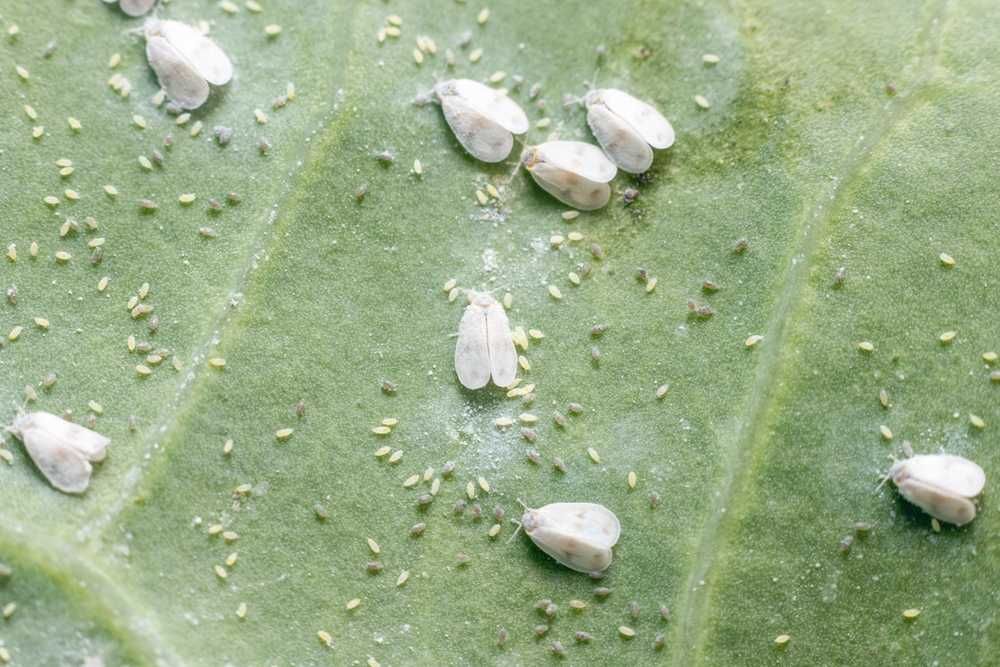
Whiteflies are tiny, sap-sucking insects that belong to the order Hemiptera. Despite their name, whiteflies are not actually true flies but are more closely related to aphids, scale insects, and other species of whiteflies. These soft-bodied, winged insects, including whitefly nymphs, are about 1/12 inch long, have a triangular shape, and are typically found in clusters on the lower leaf surface, especially the undersides of leaves. Their small size and tendency to congregate in large numbers can make them difficult to spot until the infestation has become severe.
Adult whiteflies have yellowish bodies and four white wings covered with waxy filaments, giving them a moth-like appearance. They are notorious greenhouse pests and infest a wide range of host plants, including many common ornamental plants and herbaceous plants. Knowledge of the various whitefly species and their life cycles aids in effective management and control.
Common Whitefly Species
Several species of whiteflies are commonly found in greenhouses and gardens. The greenhouse whitefly is one of the most prevalent species in northern regions and can breed throughout the year in warmer climates. These pests are particularly troublesome in greenhouse environments where they can reproduce rapidly and cause significant damage to a wide range of host plants.
Another notable species is the silverleaf whitefly, recognized for causing distinctive silvering damage on leaves. The sweetpotato whitefly, also known as Bemisia tabaci, has a wide host range and breeds continuously in warmer areas. The citrus whitefly and giant whitefly are other species of concern. Identifying the specific whitefly species in your area allows for more tailored control measures.
Life Cycle of Whiteflies
The life cycle of whiteflies can be completed in about three weeks under ideal conditions. Female whiteflies lay eggs on the lower leaf surface, usually in circular patterns. After the eggs hatch, young whiteflies, known as ‘crawlers,’ move short distances before settling down. These immature stages go through four nymphal instars before reaching adulthood, with the final instar often referred to as the pupal stage.
The rapid development and high reproductive rate of whiteflies make them particularly challenging to control. Each female can lay hundreds of eggs during her lifetime, leading to explosive whitefly populations if not managed properly. Timing control measures to target the most vulnerable immature stages requires knowledge of their life cycle.
Identifying Whitefly Infestations
Recognizing a whitefly infestation early is key to preventing extensive damage to your plants. A primary sign of whitefly infestation is seeing small, white, fly-like insects around your plants, especially on the undersides of leaves.
These pests feed on the sap of plants, similar to aphids, leading to a range of symptoms that can help identify their presence.
Symptoms of Whitefly Damage
Whitefly infestations can cause a variety of symptoms in plants, including:
- Yellowing of leaves
- A dry appearance of leaves
- Stunted growth
- Wilting
- Reduced yield due to extensive sap-sucking activity
- Significant leaf drop
- Overall decline in plant health, possibly leading to plant death
The presence of honeydew, a sticky substance excreted by whiteflies that feed on the plants, is another important indicator of their activity. This honeydew can attract other pests, such as ants, and promote the growth of sooty mold, a black fungus, further impacting the plant’s health. Early identification of these symptoms enables timely action to control whitefly infestations.
Where to Look for Whiteflies
Whiteflies are predominantly found on the undersides of leaves, where they lay their eggs and feed. Check the lower leaf surface, where whiteflies commonly lay eggs, making them hard to detect. Regular monitoring of these areas can help in identifying early signs of infestation.
In addition to the undersides of leaves, whiteflies often hide around leaf veins, making these areas ideal for inspection. Detecting tiny white, flying insects near plants typically signals a whitefly infestation.
Applying insecticidal soaps or petroleum-based oils to the undersides of leaves can be more effective in targeting these pest insects where they reside.
Impact of Whiteflies on Plants
Whiteflies can significantly hinder plant health by weakening their overall vitality through their feeding habits. These pests excrete a sticky residue known as honeydew, which can indicate whitefly activity and lead to further complications for the plant.
Sooty Mold and Honeydew
Whiteflies excrete honeydew, which can cover leaves and other plant surfaces, creating a perfect environment for the growth of sooty mold. This black fungus hinders photosynthesis and further weakens the plant. Signs of whitefly damage include yellowing or silvering of leaves and sticky honeydew on foliage.
The accumulation of honeydew and the subsequent growth of sooty mold can severely impact plant health, reducing their ability to capture sunlight and perform photosynthesis.
It is advisable to seek professional help for heavy whitefly infestations when visible damage appears or when honeydew accumulation is noted.
Transmission of Plant Viruses
Whiteflies are known vectors for several plant viruses, leading to widespread agricultural damage. These pests serve as primary vectors for many plant viruses, particularly begomoviruses, which can lead to severe crop diseases. Certain species of whiteflies transmit plant viruses, causing further damage to crops.
Whiteflies transmitting plant viruses can devastate vegetable crops and other host plants. These viruses can cause symptoms such as stunted growth, yellowing of leaves, and reduced yields, making it essential to control whitefly populations to prevent the spread of these harmful pathogens.
Monitoring and Prevention Strategies
Heavy whitefly infestations are challenging to manage, requiring preventive measures to avoid outbreaks. Monitoring and prevention strategies are vital to minimize the risk of whitefly infestations and maintain plant health.
Using Yellow Sticky Traps
Yellow sticky traps are effective tools for monitoring whitefly populations in various settings. These traps can be used both indoors and outdoors to capture adult whitefly adults and provide insights into population trends. The sticky side of the traps should face the plants to maximize effectiveness.
Yellow sticky traps are effective for monitoring whitefly populations in greenhouses and outdoor landscapes. These traps can help identify outbreaks before they become severe, allowing for timely intervention and control measures.
Regular Plant Inspections
Regular plant inspections help detect early signs of whitefly infestations, preventing larger outbreaks. Before introducing new plants into the greenhouse or garden, it’s important to inspect them thoroughly. This will help prevent the introduction of whiteflies. One sign of whitefly infestation is the presence of honeydew, the sugary substance produced by whiteflies, which can also attract ants.
Thoroughly cover plants when spraying to control whiteflies; repeat applications may be necessary for effectiveness. It’s advisable to seek professional help for whitefly infestations when the population has grown significantly or when DIY methods fail.
Effective Whitefly Control Methods
Vigilant monitoring and early removal of heavily infested plants are effective in managing whitefly populations. Regular checks and the prompt removal of infected plants are crucial for maintaining lower whitefly numbers.
Chemical Control Options
Chemical control options are essential for managing whitefly infestations, especially when non-chemical methods are insufficient. Insecticidal soaps and petroleum-based oils control only those whiteflies directly sprayed and can be effective in reducing their numbers when applied thoroughly to affected plants. Foliar sprays containing systemic insecticides, including insect growth regulators, can penetrate plant tissues, providing longer-lasting protection against whitefly infestations.
Combining chemical controls with natural predators and regular monitoring enhances overall effectiveness in whitefly management.
Natural and Biological Control
Natural predators of whiteflies include green lacewing larvae, lacewings, big-eyed bugs, minute pirate bugs, and various species of ladybugs. To maintain many natural enemies of whiteflies, avoid using insecticides that kill beneficial predators, such as carbaryl, pyrethroids, and imidacloprid.
Evaluate natural parasitization in whiteflies by checking empty pupal stage cases for round or oval exit holes. Parasitic wasps like Encarsia formosa are commercially available and effective biological control agents, particularly in greenhouse environments.
Alternative Approaches
Alternative approaches to controlling whiteflies involve non-chemical methods that can help protect plants. Reflective mulches can deter whiteflies in outdoor settings, enhancing plant growth while reducing pest presence. These mulches can help deter whiteflies in outdoor gardens by repelling them from plants.
Vacuuming adult whiteflies can be effective when done early in the morning when they are less active. Reflective mulches and vacuuming are effective strategies to minimize whitefly infestation and protect plants without chemicals.
Managing Whiteflies in Different Environments
Whiteflies cause significant economic losses in agriculture by simultaneously damaging plants through feeding and transmitting harmful viruses.
Effective whitefly management involves understanding the unique challenges of different environments.
Greenhouse Whitefly Management
Integrated pest management (IPM) strategies in greenhouses often incorporate natural enemies to control whitefly populations. Biological control can be achieved through the release of the parasitic wasp Encarsia formosa, particularly effective when populations are low. Natural enemies can effectively control whiteflies in greenhouses if their populations are not disturbed by pesticides.
In greenhouse environments, yellow sticky traps are shown to effectively reduce the population of adult whiteflies. Regular sanitation practices, such as removing all plant material at season’s end, are crucial for whitefly management in greenhouses.
Outdoor Landscape Solutions
Whiteflies generally emerge outdoors in mid- to late-summer, making this a critical time for monitoring. Regularly inspecting plants and removing heavily infested leaves can significantly lower whitefly populations outdoors. In colder climates, whiteflies do not have the ability to reproduce during the outdoor growing season, unlike some pests that overwinter in homes.
Aluminum reflective mulches can deter whiteflies and reduce their impact on outdoor plants. These mulches reflect light, confusing whiteflies and making it difficult for them to locate host plants.
Professional Pest Control Services
When whitefly infestations become severe and home remedies fail to provide relief, seeking professional pest control services is essential. Professional services can manage extensive whitefly infestations effectively, offering comprehensive solutions often more efficient than DIY methods.
When to Call a Professional
If you are witnessing extensive damage to plants, stunted growth, or are unable to manage the population with DIY methods, these are signs of a severe whitefly infestation. Professional help is essential when heavy whitefly infestations are widespread or when existing control measures fail to provide relief.
Whiteflies are notorious pests that can cause significant damage to a wide variety of plants, and earwigs are another insect pest to be aware of. Identifying and controlling whitefly infestations early is crucial to preventing extensive damage. Effective management involves a combination of monitoring, preventive measures, and control methods, including chemical and biological approaches. When infestations become severe, professional pest control services offer advanced techniques and comprehensive solutions to ensure the health and vitality of your plants. Stay vigilant, and your plants will thrive.
Frequently Asked Questions
What are the common symptoms of a whitefly infestation?
The common symptoms of a whitefly infestation are yellowing and wilting leaves, stunted growth, sticky honeydew on the plants, and the presence of tiny moth-like whitefly adults on the undersides of leaves. It’s essential to identify these signs early to address the issue promptly.
How can I monitor whitefly populations in my garden?
To effectively monitor whitefly populations in your garden, use yellow sticky traps and regularly inspect the undersides of leaves and the lower leaf surface. This will help you stay informed about their presence and take action when necessary.
What are some natural predators of whiteflies?
Green lacewing larvae, lacewings, bigeyed bugs, minute pirate bugs, and various ladybug species are effective natural predators of whiteflies. Utilizing these beneficial insects can help control whitefly populations in your garden.
When should I seek professional help for a whitefly infestation?
You should seek professional help for a whitefly infestation when it becomes widespread, causes significant damage, or when DIY methods fail to effectively manage the issue. Taking action promptly can prevent further harm to your plants.
What services does PURCOR Pest Solutions offer for whitefly control?
PURCOR Pest Solutions delivers thorough whitefly control services, encompassing inspection, treatment, and follow-up to guarantee complete eradication and prevent future infestations.
"*" indicates required fields
"*" indicates required fields