 Agents Available 24/7
How to Identify and Control Waterbugs Effectively
Waterbugs are often mistaken for other pests. This article will help you identify, understand, control, and prevent water bug infestations.
Understanding Waterbugs
Waterbugs are often confused with cockroaches, especially because both can appear in damp, dark areas. True water bugs typically live outdoors in or near water, such as ponds and streams, and rarely infest homes. When people find “waterbugs” indoors, the culprit is often a cockroach species that prefers moisture. Correct identification is important because control methods differ depending on the pest.
Differences Between Waterbugs and Cockroaches
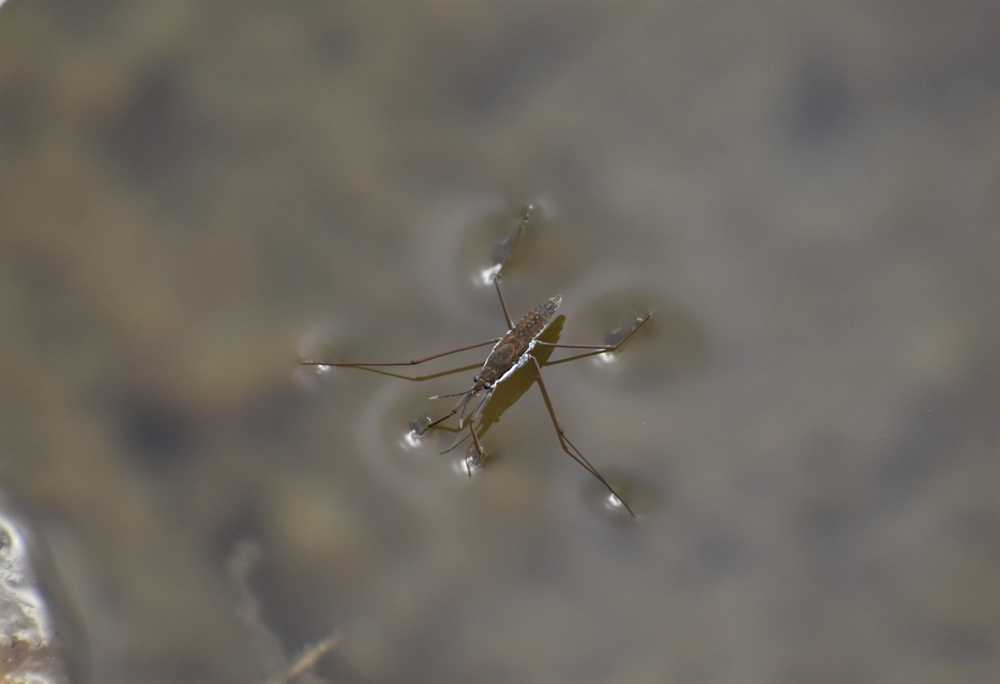
Waterbugs usually live in or near water and tend to stay outdoors, while cockroaches thrive indoors in dark, moist spaces like kitchens, bathrooms, and basements. These bugs often have more elongated bodies and legs adapted for swimming, while cockroaches have flatter bodies, longer antennae, and move quickly across floors and walls. If you’re seeing repeated indoor activity, especially near food and trash, you’re more likely dealing with cockroaches than true water bugs.
At first glance, waterbugs and cockroaches might look quite similar, but their physical characteristics set them apart.
- elongated bodies that can reach up to five inches
- a typically gray or dark brown color
- shorter and sturdier legs, designed for swimming with six legs total
- oar-shaped hind legs
Cockroaches, on the other hand, have different features.
Cockroaches usually have a flattened oval body, are brown or black, and range from 0.5 to two inches in size. They have long antennae, longer, more slender legs, and many species have wings, although not all can fly. These physical traits are key differences that help identify which pest you’re dealing with.
Habitat Preferences
Waterbugs are typically found in aquatic environments such as ponds, streams, and lakes. They depend on water for survival and are often seen in areas with abundant vegetation. Cockroaches generally prefer dark, moist terrestrial habitats and infest homes, especially basements, kitchens, and bathrooms.
Oriental cockroaches, in particular, thrive in damp and dark environments, including crawl spaces and crevices. The presence of persistent moisture and other insects can signal a risk of waterbug infestations, while a cockroach infestation indicates problems with cleanliness and food storage.
Recognizing these habitat preferences is crucial for effective pest control and to discourage waterbug infestations.
Identifying a Waterbug Infestation
Common signs include frequent sightings near sinks, drains, basements, or crawl spaces, a strong musty odor, and shed skins. Check damp areas first, especially around leaky pipes, floor drains, and any place with standing water. If activity is consistent in the same area, moisture is usually the underlying driver.
Common Signs
Visible waterbugs in or around home water sources strongly suggest a water bug infestation. Sightings of these insects in dark, damp places are a clear indication of their presence. They are often associated with a potent and unpleasant odor, which can be a significant clue.
Another frequent sign of waterbug activity is the appearance of shed skins, as they molt several times throughout their life cycle. Recognizing these signs early can help you take necessary steps to control the infestation and prevent further problems.
Inspecting Damp Areas
Inspecting damp areas such as basements and crawl spaces is crucial for identifying waterbug infestations. These areas are common hiding spots for waterbugs, making them essential locations to check during an inspection. Leaky pipes and standing water should be closely monitored, as they attract waterbugs.
Regular inspection of these moist areas can help identify waterbug activity and take preventive measures to control them. Addressing moisture issues and ensuring these areas are dry can significantly reduce the risk of waterbug infestations.
Effective Pest Control Methods for Waterbugs
Controlling waterbugs requires a comprehensive approach. These adaptable insects can be challenging to eliminate, so a combination of professional pest control services and preventive measures is often necessary.
Waterbug control works best when you combine moisture control with targeted treatment. Start by fixing leaks, improving ventilation, and eliminating standing water. Then use appropriate products based on correct identification, since treatments differ for cockroaches versus outdoor water bugs. If activity continues, professional service may be the fastest way to confirm the pest and treat the source.
Professional Pest Control Services
Professional pest control can help when infestations persist or when you suspect cockroaches rather than true water bugs. A technician can identify the pest, locate moisture sources, and apply targeted treatments to reduce activity and prevent recurrence.
Preventive Measures
Maintaining cleanliness and eliminating excess moisture are critical preventive measures for controlling waterbugs. Cleaning and storing leftover food in sealed containers minimizes the chances of attracting waterbugs indoors. Using tight-fitting lids on garbage bins helps reduce potential food sources for these pests.
Maintaining a dry environment by eliminating excess moisture can deter waterbugs from finding shelter indoors. Implementing these preventive measures as part of a comprehensive approach to pest control can significantly reduce the risk of waterbug infestations.
Health Risks Associated with Waterbugs
Indoor “waterbug” sightings often involve cockroaches, which can trigger allergies and worsen asthma symptoms in some people. These pests may also spread germs by moving through unsanitary areas. Reducing moisture and addressing infestations early helps protect indoor air quality and overall household hygiene.
How to Prevent Waterbug Infestations
Preventing waterbug infestations requires a proactive approach. Regular check-ups for leaks in plumbing and roof areas are crucial for preventing these pests. Waterbugs are drawn to moisture, highlighting the importance of fixing leaks to deter them.
To prevent waterbugs, it’s essential to fix plumbing issues, repair roof leaks, and seal windows and doors. Regularly cleaning and tidying up, ensuring there’s no standing water around your house, can significantly reduce the risk of waterbug infestations.
Inspecting outdoors for clogged gutters, stagnant pools, or containers collecting rainwater can also eliminate sources that attract waterbugs.
Seal Entry Points
Sealing entry points is a vital step in preventing waterbugs from entering your home. These pests can enter through gaps in siding, damp basements, vents, or contaminated packages. Pay special attention to sealing areas around windows, doors, pipes, and utility lines to prevent waterbugs from gaining access.
Using caulk or sealant to close cracks and gaps and weather stripping to seal entry points can be highly effective. Additionally, repairing leaks and enhancing ventilation in your home can prevent waterbugs from thriving.
Thoroughly inspecting your home for cracks or crevices, particularly around plumbing, is a recommended prevention method.
Maintain Cleanliness
Maintaining cleanliness is crucial for preventing waterbug infestations. Damp environments and moisture are primary factors that attract waterbugs, making regular cleaning essential. Cleaning damp and dark areas and securing food to make it inaccessible can prevent waterbugs from finding shelter indoors.
To prevent waterbug infestations, it’s important to keep humidity levels below 50%. This simple measure can be effective in controlling their presence. Using exhaust fans and dehumidifiers are effective methods to reduce humidity in areas prone to dampness. A clean and dry environment significantly reduces the risk of waterbug infestations.
Waterbugs are often confused with cockroaches, so correct identification matters. In most cases, controlling moisture, sealing entry points, and improving sanitation will reduce activity significantly. If sightings continue, professional help can confirm the pest and treat the source for longer-lasting results.
Frequently Asked Questions
What are the key differences between waterbugs and cockroaches?
Waterbugs are typically larger with elongated bodies and prefer aquatic environments, whereas cockroaches are smaller, have flattened oval bodies, long antennae, and thrive in dark, moist terrestrial habitats. Understanding these differences can help in effectively managing each pest.
How can I identify a waterbug infestation?
To identify a waterbug infestation, look for visible sightings near water sources, unpleasant odors, and shed skins. Additionally, inspect damp, moist areas like basements and crawl spaces for signs of activity.
What are the health risks associated with waterbugs?
Waterbugs pose significant health risks by introducing harmful bacteria that can cause diseases like dysentery and gastroenteritis. They may also lead to triggering allergies and worsen asthma symptoms, particularly through food contamination.
What preventive measures can I take to avoid waterbug infestations?
To effectively avoid waterbug infestations, maintain cleanliness, eliminate excess moisture, seal entry points, and regularly inspect for leaks and standing water. These proactive steps will significantly reduce the likelihood of an infestation.
Why should I consider professional pest control services for waterbug infestations?
Considering professional pest control services for waterbug infestations is crucial as they provide comprehensive assessments, accurate species identification, and customized solutions. This not only ensures effective eradication but also minimizes disruption to your daily life and environmental impact.
"*" indicates required fields
"*" indicates required fields