 Agents Available 24/7
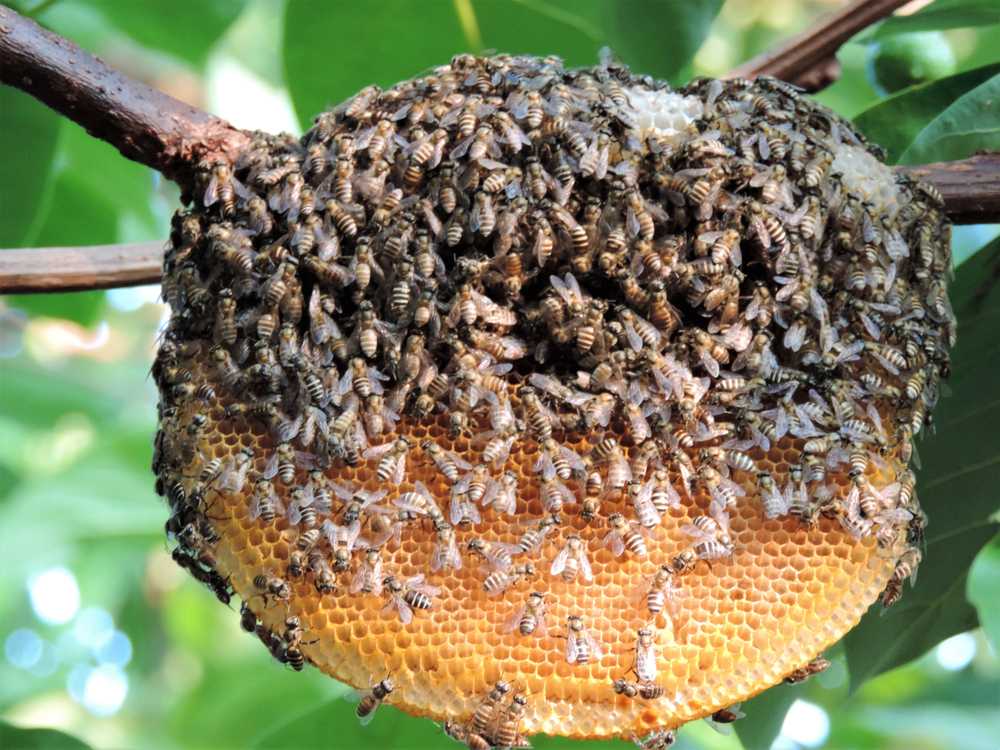
Africanized Honey Bee: Facts, Risks, and Safety Tips
Africanized honey bees, often called ‘killer bees,’ are a highly aggressive hybrid species resulting from the crossbreeding of African honey bees (Apis mellifera scutellata) and European honey bee subspecies. These Africanized honeybees pose serious risks to humans, pets, and livestock due to their heightened defensive behavior. This article provides an in-depth look at how to identify Africanized honey bees, traces their origin and rapid spread across South America, Central and South America, and into the United States, discusses the dangers they present, and offers effective safety and management strategies for dealing with Africanized bees.
- Africanized honey bees can be identified by their slightly smaller size, golden-yellow coloration with darker brown bands, shorter wings, and smaller comb cells compared to European honey bees.
- Since their introduction near São Paulo, Brazil, in 1956, these africanized bees have rapidly spread throughout South and Central America and into southern portions of the United States, including southern California, New Mexico, Texas, and Arizona, requiring vigilant monitoring and management due to their aggressive nature.
- Proven management techniques such as requeening with European queens, drone-flooding strategies, regular hive inspections, and professional pest control services are essential to minimize risks and protect beekeeping and agriculture.
Identification of Africanized Honey Bees
Identifying Africanized honey bees can be challenging because they closely resemble European honey bee subspecies. However, there are key physical and behavioral traits that help differentiate them. Africanized honey bees are slightly smaller and have shorter wings and smaller comb cells. Precise identification often requires statistical measurements or genetic testing, as endorsed by the Entomological Society of America.
Their coloration is distinctive: Africanized honey bees exhibit a golden-yellow body with darker brown bands, contrasting with many European honeybees. Behaviorally, they prefer nesting in smaller, more confined spaces, including unusual locations such as tires, crates, mailboxes, water meter boxes, and even empty cars. This adaptability enables them to thrive in urban, agricultural, and wild environments.
Recognizing these traits is crucial for commercial beekeepers, pest control professionals, and the general public to manage and avoid dangerous encounters with Africanized honey bees and feral colonies.
History and Spread of Africanized Honey Bees
The Africanized honey bee story began in 1956 when the East African lowland honey bee (Apis mellifera scutellata) was introduced near São Paulo, Brazil, to improve honey production under tropical conditions. In 1957, 26 swarms escaped quarantine, initiating a rapid spread of this hybrid species.
From Brazil, Africanized honeybees quickly spread throughout South and Central America, reaching northern Argentina in the south and Mexico by 1985. Their migration continued into the United States, first detected at an oil field in California in 1985, with permanent colonies established in Texas by 1990. By the early 2000s, their range extended to southern California, New Mexico, Arizona, southern portions of several other states, and Utah, as confirmed by the Utah Department.
Africanized honey bees expanded at an astonishing rate—up to two kilometers per day—outcompeting local European honey bees and feral colonies. This rapid spread highlights their ability to out compete native bees across large distances, thriving especially in temperate climates resembling sub-Saharan Africa.
Understanding this history and geographic expansion is vital to appreciating the ecological and economic impact of Africanized honey bees and the challenges they pose to beekeepers and agriculture.
Aggressive Behavior and Risks
Africanized honey bees are infamous for their aggressive behavior, which significantly differs from European honey bees and other local populations. They defend their colonies over much larger distances, react faster, and attack in greater numbers. This increased defensiveness results in life-threatening encounters for humans, outdoor pets, and livestock.
Despite their “killer bee” reputation, Africanized honey bee venom is no more potent than that of European honey bees. The danger lies in their tendency to swarm and sting en masse, delivering multiple stings that can cause severe localized and systemic reactions. They are also more prone to absconding, leading to higher densities of aggressive colonies in an area.
The consequences of africanized honey bee stings range from pain and swelling to serious allergic reactions requiring immediate medical attention. Public fear, especially in southern California and other southern U.S. regions, has grown due to their established presence and aggressive nature.
Impact on Beekeeping and Agriculture
Africanized honey bees have a mixed impact on beekeeping and agriculture. Their superior foraging behavior and resistance to certain diseases can lead to increased honey production and better hive survival compared to European honey bees, offering economic benefits in regions where they dominate.
However, their aggressive nature complicates hive management for commercial beekeepers. Increased defensive behavior disrupts honey and queen sales, reduces honey and wax production, and negatively affects pollination services. Pollination is crucial for many crops, with an annual value in the billions of dollars.
Moreover, public fear of Africanized honey bees influences beekeeping practices and site selection, increasing operational costs and reducing yields for crops reliant on pollination.
Management and Control Strategies
Effective management and control strategies are critical to mitigating risks from Africanized honey bees. Requeening with European queens is a proven method to improve hive temperament and reduce aggression. Regular hive inspections prevent feral colonies from establishing and spreading.
Drone-flooding strategies, which involve maintaining large populations of European drones to outcompete Africanized drones during queen mating flights, help limit hybridization. Professional pest control services are essential for safely removing aggressive colonies and nests, especially in urban and suburban areas.
Public education, supported by institutions like the Smithsonian Institution and the Entomological Society, is vital to reduce public fear and promote safe coexistence with honey bee colonies.
Safety Tips for Encounters with Africanized Honey Bees
If you encounter Africanized honey bees, act quickly and safely. Seal gaps in structures to prevent nesting and be alert for signs of unusual bee activity, such as large numbers entering a single location.
Upon discovering a nest, keep a safe distance and contact licensed pest control professionals for removal. If attacked, protect your head and vital areas, flee promptly to shelter indoors or in a vehicle, and avoid swatting at the bees to prevent further aggression.
In the event of multiple stings, seek immediate medical attention, especially if systemic symptoms develop. Those allergic to bee venom should carry epinephrine kits and know how to use them.
Africanized honey bees are a hybrid species with unique physical traits and aggressive behavior, presenting both challenges and opportunities for beekeeping and agriculture. Their rapid spread across South America, Central and South America, and into the southern United States underscores the need for ongoing monitoring and management.
By understanding their identification, history, risks, and management techniques, individuals and communities can better coexist with africanized honey bees. Employing effective control measures and safety precautions helps harness their benefits while minimizing potential dangers.
Frequently Asked Questions
How can I identify Africanized honey bees?
Africanized honey bees are slightly smaller than European honey bee subspecies, with a golden-yellow body featuring darker brown bands. They have shorter wings and smaller comb cells. Behavioral traits such as less selective nesting and higher aggression also assist identification.
How did Africanized honey bees spread to the United States?
Introduced near São Paulo, Brazil, in 1956, africanized honey bees escaped quarantine in 1957 and rapidly spread through South and Central America. They reached the U.S. in 1985, establishing permanent colonies in Texas by 1990 and expanding into southern California, New Mexico, and other southern states.
What makes Africanized honey bees more dangerous than European honey bees?
Their increased aggressiveness, larger defensive radius, and tendency to attack in greater numbers make africanized honey bees more dangerous. They can chase people for longer distances and deliver multiple stings, increasing the risk of severe reactions.
How do Africanized honey bees impact beekeeping and agriculture?
While africanized honey bees can enhance honey production and show resistance to some diseases, their aggressive behavior complicates hive management, reduces honey and queen sales, and negatively affects pollination services, resulting in significant economic impacts.
What should I do if I encounter Africanized honey bees?
Quickly leave the area while protecting your head and vital areas, seek shelter indoors or in a vehicle, and avoid provoking the bees. Contact professional pest control for nest removal. If stung multiple times or experiencing severe symptoms, seek immediate medical attention.
"*" indicates required fields
"*" indicates required fields