 Agents Available 24/7
Struggling to find the best weed killer for lawns? This comprehensive guide simplifies your search by showcasing top-rated weed and grass killer solutions for every need. From fast-acting synthetic herbicides and safe organic options to lawn-safe selective weed killers, discover how to effectively eliminate treated weeds and other weeds without damaging your lawn grass. Whether you have a small backyard or an extensive yard, these products offer tailored solutions for your specific lawn care challenges, making your home improvement projects easier and more successful.
Top Recommendations for Weed Killers
Selecting the right weed killer is key to keeping your lawn healthy and managing weed growth effectively. With so many options on the market, it can be overwhelming to find the perfect product. To simplify your search, we’ve identified the top recommendations in three key categories: organic, synthetic, and lawn-safe options.
Each category caters to different needs. Whether you prioritize safety for children and pets, seek quick and powerful results, or require a product that won’t harm your lawn grass, there’s a good choice for you. Here are the best options available, along with tips on how to maximize their effectiveness.
Best Organic Option
For those who prefer a natural approach to weed control, the Green Gobbler 20% Vinegar Weed Killer is a top choice. This product is renowned for its fast action and effectiveness against various weed species, including broadleaf weeds, grassy weeds, crabgrass, and ground ivy. One of its standout features is its safety for children and pets once dried, making it an excellent option for families.
Green Gobbler 20% Vinegar Weed Killer uses acetic acid to kill weeds on contact by destroying foliage and roots while keeping your desirable plants safe. This organic solution not only provides effective weed control but also offers peace of mind knowing that it won’t introduce harmful chemicals into your garden, yard, or vegetable beds.
This product is ideal for anyone aiming to maintain a healthy and safe yard without sacrificing effectiveness during summer and other seasons. It works best when applied on sunny days with no rain forecasted for at least 24 hours to ensure maximum absorption and lasting results, leaving weeds dead and easy to remove.
Best Synthetic Option
For rapid results and efficient treatment of large lawn areas, Southern Ag Amine 2,4-D Weed Killer is highly recommended. This synthetic weed killer is known for its quick effectiveness against a wide range of stubborn weeds, making it ideal for large lawns, including augustine lawns and kentucky bluegrass.
This product is safe for popular lawn grasses, keeping your lawn healthy while eliminating unwanted weeds such as clover and crabgrass. With the Southern Ag Amine 2,4-D, you can achieve excellent weed control with minimal effort and a potential need for a second application to fully eradicate established weeds.
Its active ingredients work systemically to kill weeds down to the roots, preventing regrowth. For optimal results, apply during periods of active weed growth, typically in spring or early summer, and avoid mowing the lawn for at least two days after application to allow the herbicide to work effectively.
Best Lawn-Safe Option
For maintaining a pristine lawn without harming the grass, Ortho Weed B Gon is the best lawn-safe option. This weed killer effectively targets broadleaf weeds like clover, dandelions, and other weeds without damaging most lawn grasses. Its formula is designed to be rain-resistant within six hours after application, ensuring consistent effectiveness even in variable weather conditions to kill clover and other weeds.
Ortho Weed B Gon is perfect for those who want to keep their lawn looking lush and green while eliminating unwanted weeds. Its ability to remain effective after rain makes it a reliable choice for maintaining a healthy yard with cool season turf or warm season turf.
This product keeps your lawn free of pesky broadleaf weeds without sacrificing its health and appearance, whether you have kentucky bluegrass, augustine lawns, or other turf types. It is easy to apply with a spray bottle or tank sprayer, making it suitable for both spot treatments and larger areas.
How We Selected the Best Weed Killers
Selecting the best weed killers requires a rigorous process to ensure effectiveness, safety, and environmental friendliness. We consider various factors, including the types of weeds targeted, the safety of desirable plants, and the environmental impact of the herbicides. The selection process involves both field tests and laboratory analysis to provide reliable data for consumers.
We prioritized effectiveness on common lawn weeds, safety for turf when used as directed, ease of application, and clear label instructions. We also considered how products perform in typical lawn conditions like heat, humidity, and light rainfall.
Understanding Active Ingredients
Weed killers work based on two things: whether they are selective or non-selective, and whether they are pre-emergent or post-emergent. Many products list an active ingredient that signals how they behave. For example, 2,4-D is commonly used to target broadleaf weeds in lawns, while vinegar-based formulas typically burn down leaf growth on contact and may need repeat applications. Always match the product to your lawn type and the weeds you are treating.
Types of Weed Killers: Selective vs. Non-Selective
Selective weed killers target certain weeds while leaving most lawn grasses unharmed when used correctly. These are best for typical lawn weeds like dandelions and clover.
Non-selective weed killers kill most plants they touch, including grass. Use them only in areas where you want to clear everything, like cracks in driveways, gravel, fence lines, and along patios. Apply carefully to avoid overspray onto desirable plants.
Pre-Emergent vs. Post-Emergent Weed Killers
Pre-emergent weed killers prevent weeds before they sprout by stopping seeds from establishing. They work best when applied early in the season before you see weeds. Many need watering in to activate, so follow label directions closely.
Post-emergent weed killers treat weeds that are already growing. They work best on smaller, actively growing weeds. If weeds are mature or stressed from heat and drought, you may need a second application if the label allows it.
How to Apply Weed Killer (Method, Timing, and Weather)
- Apply during calm weather to prevent spray drift onto flowers, shrubs, and garden plants.
- Do not apply right before rain unless the label says it is rainfast within a specific time. Leaves should be dry before spraying.
- For post-emergent products, treat when weeds are actively growing. Avoid extreme heat or drought conditions when weeds are stressed.
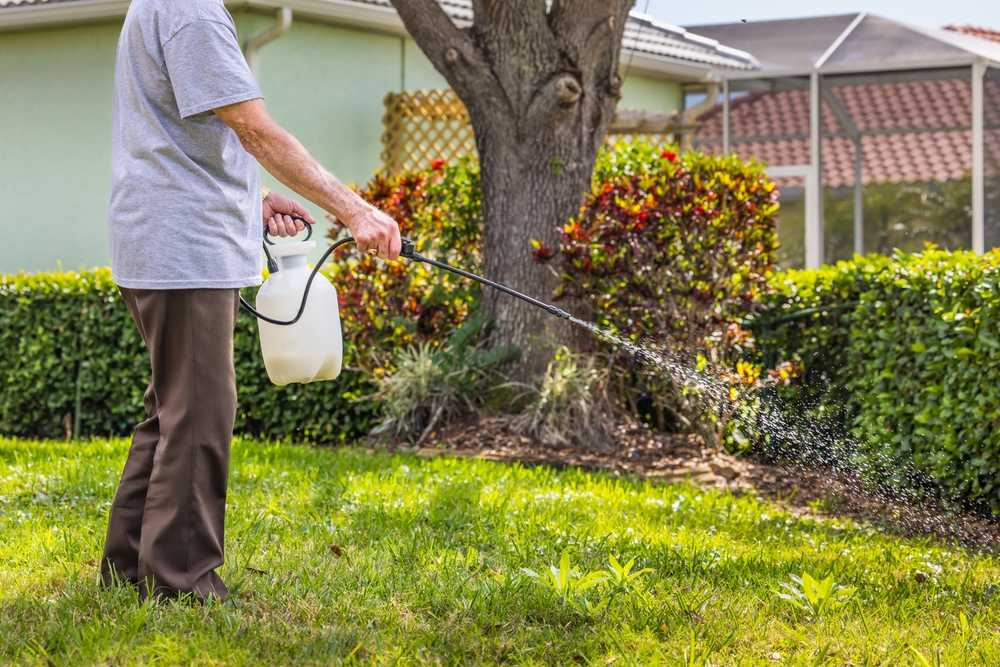
- Use a tank sprayer for spot treatment and precision. Use granular products for large lawn coverage, especially for many pre-emergents.
- Mix only what you need and follow label rates. Overapplying does not improve results and can damage turf.
Safety Tips for Using Weed Killers
Safety is paramount when using weed killers. Thoroughly reading the product label helps you understand safety measures and exposure risks. Properly reading and understanding the herbicide label before use is crucial, as it contains essential safety information. Avoid using weed killers on windy days to minimize the risk of spray drift onto desired plants.
Following safety guidelines protects you, your family, and your desirable plants from unintended harm. Using personal protective equipment and taking precautions can significantly reduce the risks associated with herbicide application.
- Read the label before mixing or spraying and follow the mixing rate exactly.
- Wear gloves, long sleeves, closed-toe shoes, and eye protection.
- Keep kids and pets off treated areas until the label says it is safe, often after the spray has fully dried.
- Protect non-target plants by using a spray shield, spraying close to the target weed, and leaving a buffer zone near flower beds and vegetables.
Maintaining a Weed-Free Lawn
Keeping a weed-free lawn takes more than weed killer. Consistent mowing, watering, and fertilizing help your grass grow thick, which naturally crowds out weeds. Aerating once a year and overseeding thin spots also strengthens coverage so weeds have fewer places to take hold.
Choosing the right weed killer still matters. Match the product to your goal by understanding selective versus non-selective and pre-emergent versus post-emergent options, then apply it correctly for the best results. Pay attention to weather, follow label directions, and use basic safety precautions to protect people, pets, and nearby plants.
With a solid lawn routine and smart weed control, you can reduce weeds over time and keep your yard looking healthy and clean. If weeds keep coming back, professional help can speed up results and fine-tune your approach.
Frequently Asked Questions
What is the best organic weed killer for lawns?
The Green Gobbler 20% Vinegar Weed Killer stands out as the best organic choice for lawns due to its rapid effectiveness and safety for children and pets after drying.
How does weather affect weed killer application?
Weather affects weed killer application by influencing its effectiveness; optimal results are achieved during dry conditions and cooler morning hours. Thus, it’s best to avoid applying weed killers during rain or extreme temperatures.
What is the difference between selective and non-selective weed killers?
Selective weed killers specifically target certain weeds, preserving surrounding plants, whereas non-selective weed killers eliminate all vegetation in the area. This distinction is crucial when choosing the appropriate product for your needs.
Why is it important to use personal protective equipment (PPE) when applying weed killers?
Using personal protective equipment (PPE) when applying weed killers is essential to prevent chemical exposure and protect your health. It minimizes the risk of harmful effects from the substances you are handling.
What are the benefits of hiring professional weed control services?
Hiring professional weed control services guarantees expert management and efficient application, leading to long-term results. Their comprehensive approach not only addresses weeds but also improves overall lawn health and curb appeal.
"*" indicates required fields
"*" indicates required fields