 Agents Available 24/7
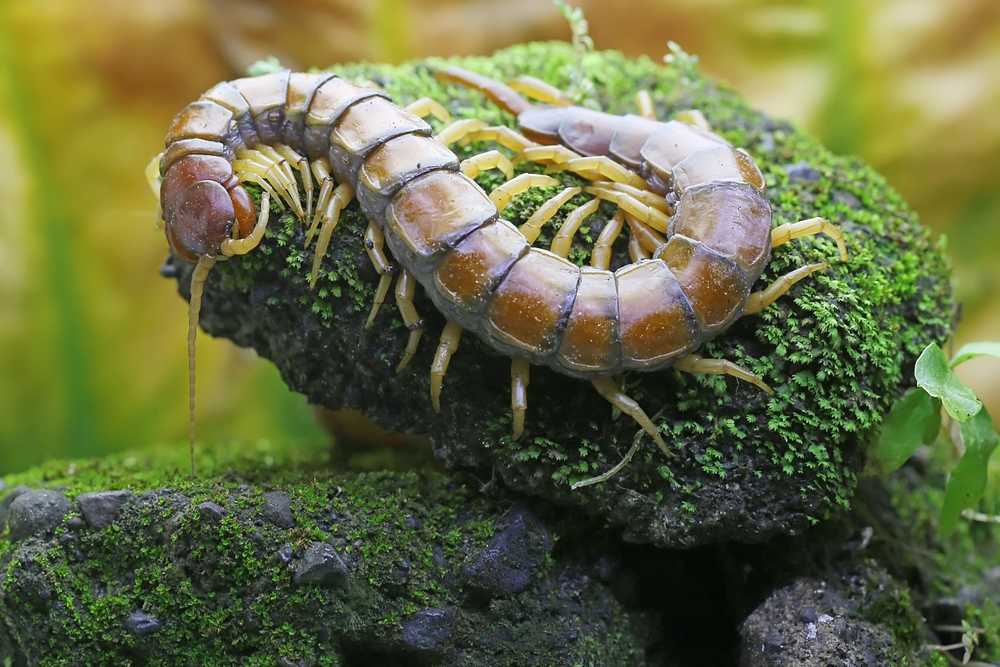
Centipede vs Millipede: Key Differences Explained
Curious about the differences between centipede and millipede? In the debate of centipede vs millipede, understanding the centipede vs millipede comparison is essential. Centipedes are agile predators with a flattened body and venomous bite, while millipedes tend to be slow, more rigid arthropods distinguishable by their rounded, subcylindrical shape and chemical defenses. This article will break down their many differences, from body structures to diets and defense mechanisms, helping you understand the centipede vs millipede comparison clearly.
Understanding Centipedes
Centipedes, a type of arthropod, are relatives of well-known crustaceans like lobsters, crayfish, and shrimp. They have a long body with many segments and an impressive number of legs, ranging from 30 to 382, with the count always being an odd number. The flattened body structure of centipedes prevents leg collisions during movement, enhancing their agility. Many species of centipedes exhibit unique adaptations to their environments.
Each body segment of a centipede contains only one pair of legs, contributing to their efficient and rapid movement. Centipedes are also venomous creatures, using specialized appendages called forcipules to inject venom into their prey. This venomous bite is their primary method of subduing prey and defending themselves from predators.
Understanding Millipedes
Millipedes, like centipedes, belong to the arthropod family but are more rigid arthropods distinguishable by their subcylindrical shape. Their body segments are rounded and each segment bears two pairs of legs positioned directly underneath the body. Despite their name, which suggests “thousand legs,” most millipedes have far fewer, but still more legs than centipedes.
Millipedes are primarily detritivores, feeding on decaying organic matter like leaves and wood, playing a crucial role in microbial decomposition and enhancing soil nutrient cycles. They can vary significantly in size, ranging from less than an inch to over five inches long. Most millipedes are dark brown with a rounded, elongated shape.
Young millipedes have fewer segments and legs, adding more with each molt until they reach maturity.
Key Differences
Although centipedes and millipedes appear similar, many differences distinguish them. From their body structures to their diets and defense mechanisms, these differences are fascinating and significant.
Recognizing these distinctions aids in identifying and managing these creatures effectively.
Body Structure
Centipedes possess a distinctly flatter body, optimized for speed and agility. Each body segment of a centipede features only one pair of legs positioned on the sides, facilitating quick movement to catch prey. Interestingly, despite their name, centipedes never have exactly 100 legs; the number is always an odd figure.
In contrast, millipedes have a more rigid, rounded, subcylindrical body shape. They possess two pairs of legs per body segment, which are positioned directly underneath their entire body. This configuration provides stability and supports their slow, steady movement as they consume decaying organic matter.
The distinct body structures of centipedes and millipedes reflect their different lifestyles and ecological roles.
Diet and Feeding Habits
Centipedes are carnivorous hunters, primarily feeding on small insects and other arthropods. They use their venom to incapacitate prey, simplifying consumption. This predatory behavior helps control the populations of other insects, playing a crucial role in the ecosystem.
Millipedes, on the other hand, are primarily detritivores, feeding on decaying organic materials such as rotting wood and leaves. Some millipedes may also damage garden plants by feeding on roots and seedlings. Their diet decomposes plant matter, enriching the soil with nutrients and fostering healthy soil structure. This difference in diet highlights the complementary roles that millipedes and centipedes play in maintaining ecological balance.
Defense Mechanisms
Centipedes use venomous bites, injecting venom through specialized fangs to deter predators and kill prey. This defense method is highly effective, enabling centipedes to protect themselves and survive.
Millipedes use a different defense strategy. When threatened, they curl into a tight coil, making it hard for predators to attack. Additionally, many species of millipedes have glands capable of producing defensive sprays containing chemicals like hydrochloric acid and other irritating fluids. These defensive sprays can chemically burn the skin and cause allergic reactions or skin discoloration in sensitive individuals. These mechanisms help millipedes avoid predation and continue their ecological role.
Habitats and Behavior
Both millipedes and centipedes prefer damp environments, which support their respective roles within the ecosystem. Their behavior and interactions with humans can vary, but they are generally considered minor nuisance pests rather than significant health threats.
Knowing their habitats and behaviors helps mitigate potential issues.
Preferred Environments
Millipedes and centipedes thrive in moist, protected outdoor habitats such as under rocks, rotting logs, leaf litter, and mulch around the building foundation. These damp areas provide the ideal conditions for their survival and contribute to their ecological roles.
Their preference for moist environments supports their physiological processes and feeding habits. Whether it’s a garden bed filled with decaying leaves or a shady spot under a fallen log, these environments are where you’ll typically find these many-legged creatures.
Indoor Encounters
House centipedes are frequently found indoors, especially in areas with high humidity like basements and bathrooms. They typically enter homes to escape harsh outdoor conditions or to hunt for other insects. Indoor environments offer comfortable living and breeding conditions for a house centipede.
Millipedes may also migrate indoors, particularly after heavy rains or during hot, dry conditions outside. When they do, they often move in large numbers, becoming a significant nuisance. Most millipedes do not survive long indoors due to lack of moisture. Recognizing these behaviors assists in managing and preventing indoor encounters with millipedes and centipedes.
Health Implications
While millipedes and centipedes do not carry diseases, they can pose potential health concerns for humans. Avoiding direct contact with these creatures prevents potential issues.
Knowing the health implications of encounters with centipedes and millipedes ensures safety and comfort at home.
Centipede Bites
Centipedes can bite, and their bites can cause temporary pain that is often likened to a bee sting. For instance, a bite from a giant desert centipede can cause intense, temporary pain similar to a bee sting. Some individuals, especially small children or those allergic to insect venoms, may also experience allergic reactions to centipede bites.
Centipedes primarily use their venom to subdue prey, but it can also affect humans. Being aware of the symptoms and seeking medical advice if needed can help manage the effects of centipede bites effectively.
Millipede Irritations
Millipedes produce irritating fluids as a defense mechanism, which can cause skin irritation and allergic reactions in sensitive individuals. Some millipede species can release fluids that chemically burn the skin and cause long-term discoloration upon contact. Awareness of these effects can help prevent discomfort when encountering millipedes.
Avoiding direct contact with millipedes and washing the affected area if contact occurs can mitigate irritations. Knowing the potential health implications of millipede secretions ensures safety when dealing with these creatures.
Control Measures
Effective management of centipede and millipede populations requires implementing control millipedes measures. Control measures include sealing entry points into homes and reducing moisture levels.
Preventing Infestations
Preventing centipede and millipede infestations begins with eliminating outdoor hiding places. Sealing doors and windows, caulking cracks and crevices, and keeping areas around foundations clean can prevent these creatures from entering your home. Removing damp organic debris from around home foundations and reducing mulch and organic matter in garden areas can also deter millipedes.
Lowering moisture levels and ensuring proper drainage around your home creates an inhospitable environment for centipedes and millipedes. These measures can significantly reduce the likelihood of infestations.
Professional Help
Professional help is recommended for effective pest management. Whether dealing with a current infestation or seeking prevention, professionals can provide the necessary assistance. Their professional services ensure that centipedes and millipedes are managed effectively, keeping your home safe and comfortable.
Fun Facts
Centipedes and millipedes are vital to soil nutrient cycles by breaking down organic material. Centipedes primarily consume insects and other small creatures, controlling pest populations and enhancing soil health. Millipedes are efficient decomposers that break down plant matter, enriching soil with nutrients through microbial decomposition.
These fascinating creatures contribute significantly to the ecosystem by aiding in nutrient cycling and promoting healthy soil structure. Recognizing their roles highlights the importance of millipedes and centipedes in maintaining ecological balance.
Centipedes and millipedes, though similar in some ways, have distinct differences in their body structures, diets, and defense mechanisms. Centipedes are carnivorous hunters with venomous bites, while millipedes are detritivores that feed on decaying organic matter and use chemical secretions for defense. Both play essential roles in the ecosystem, contributing to soil health and pest control.
By understanding these differences and implementing appropriate control measures, you can manage encounters with these arthropods effectively.
Frequently Asked Questions
What are the main differences between centipedes and millipedes?
Centipedes are characterized by their flatter body and only one pair of legs per body segment, making them carnivorous, whereas millipedes have a more rigid, rounded, subcylindrical body with two pairs of legs per segment positioned directly underneath their entire body and typically feed on decaying organic matter.
How do centipedes and millipedes defend themselves?
Centipedes defend themselves through venomous bites, while millipedes curl up and secrete irritating fluids containing hydrochloric acid and other chemicals to deter threats. Both methods effectively enhance their survival against predators.
What should I do if I encounter a centipede or millipede in my home?
If you encounter a centipede or millipede in your home, it is advisable to avoid direct contact, seal entry points, and reduce moisture levels. For effective management, consider professional pest control services.
Are centipede bites dangerous?
Centipede bites are generally not dangerous, typically causing only temporary pain akin to a bee sting and potentially resulting in allergic reactions for some individuals, especially small children.
How can I prevent centipede and millipede infestations?
To effectively prevent centipede and millipede infestations, seal all entry points, maintain cleanliness around foundations, eliminate damp organic debris, and reduce moisture levels in your environment. This will help create an inhospitable setting for these pests.
"*" indicates required fields
"*" indicates required fields