 Agents Available 24/7
Chinch Bugs: Identification, Damage, and Control Tips
Chinch bugs are tiny but destructive pests that pose a major threat to lawns, especially in sunny, sandy areas with excess thatch. In this article, you’ll learn how to identify these insects, recognize signs of chinch bug infestation, and implement effective control strategies to protect your turfgrass.
- These pests can be identified by their small size, distinctive coloration, and feeding habits, with adults and nymphs displaying different features.
- Damage caused by chinch bugs includes yellow patches in grass, which, if not addressed promptly, can lead to widespread lawn destruction, particularly in turf areas with stressed green grass.
- Effective management of their chinch bug population relies on early detection methods and a combination of preventative and control strategies, including cultural practices, biological controls, and professional pest control services.
Identifying Chinch Bugs
Accurate identification prevents widespread lawn damage. These insects are small, measuring about 1/8 to 1/4 inch long, and tend to hide in thatch and between leaf sheaths, making them difficult to spot. Recognizing their characteristics aids in the early detection of chinch bug infestation.
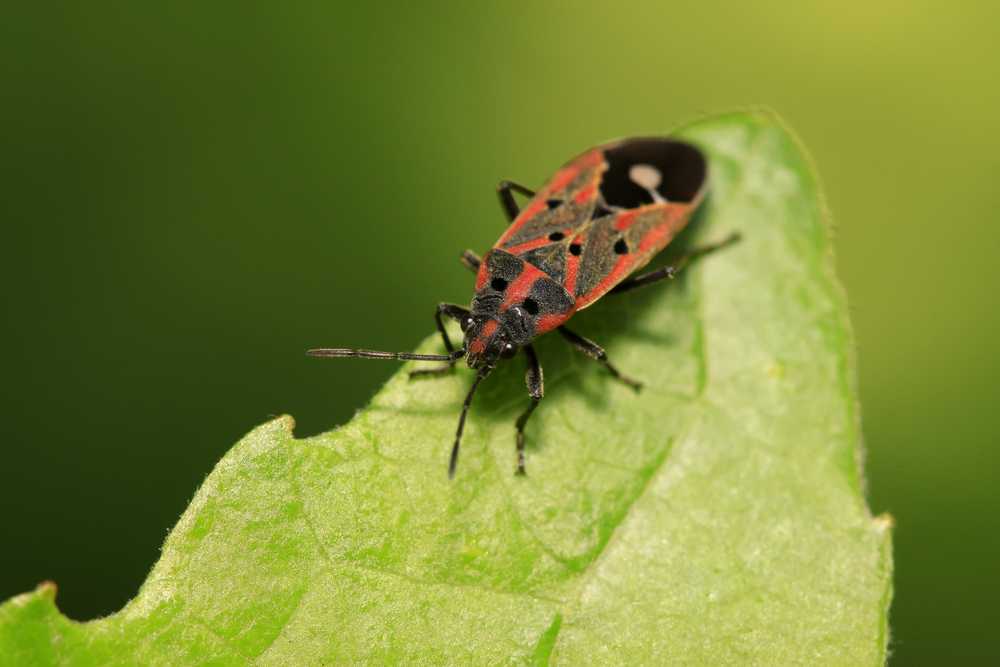
They have black bodies with white wings that form a distinctive hourglass shape on their backs. Adult insects have fully developed wings and orange legs, allowing adults to fly and spread to new turf areas. Their immature stages, called nymphs, lack wings and are bright red with red and white bands, including a white stripe or band across their abdomen.
Characteristics of Adult Chinch Bugs
Adults measure about 1/5 inch long and display black bodies with orange legs and white markings on their wings. These bugs are fully winged, enabling adults to fly and disperse, which contributes to the spread of their chinch bug population.
Early detection of adults in turf areas helps control the population before it escalates.
Identifying Nymphs
Nymphs lack wings and are typically reddish-orange with a white stripe across their backs. These wingless nymphs are often found alongside adults in the same grasses, feeding on the same turf. Their bright red coloration and white band make them easier to spot in thatch and soil.
Understanding Damage
Chinch bugs feed by sucking sap from grass blades and stems, causing stress and weakening turfgrass. They also inject toxins during feeding, which exacerbate damage. If left unchecked, small infestations can rapidly expand, causing widespread lawn destruction.
Early recognition of damage allows for timely intervention. Damage typically appears as small, irregular yellow patches that can be mistaken for drought stress. However, these patches do not recover after watering if chinch bugs are present. Regular lawn monitoring, especially in sunny and sandy areas, helps identify and mitigate damage before it worsens.
Signs of Infestation
Damage often starts as small, irregular yellow patches that enlarge over time, turning brown with dead and bare centers. These patches are especially common near warm surfaces such as driveways, sidewalks, and south-facing slopes.
On sunny days, sliding a shoe through damaged areas can help reveal active bugs. Early identification of infestation signs is crucial to prevent severe lawn damage.
Affected Turf Areas
These pests thrive in open, sunny, and sandy areas with well-draining soil. They prefer grasses such as perennial ryegrass, Kentucky bluegrass, St. Augustine grass, and zoysiagrass. Lawns with excess thatch provide ideal habitats for chinch bugs to hide and reproduce.
Life Cycle
Understanding the life cycle is key to effective control. Their life cycle spans about three to four weeks, progressing from eggs to nymphs to adult stages. Females begin laying eggs in early spring as temperatures rise, leading to two generations per year, with a possible second or partial third generation during warm summers.
This overlap of generations means all life stages—eggs, nymphs, and adults—can be found throughout the summer, complicating control efforts.
Overwintering Adults
Adults overwinter in protected areas such as hedgerows, roadside, under tree bark, and in excess thatch. They emerge in early spring when temperatures reach around 70°F, becoming active and starting the first generation of the year by females begin to lay eggs.
Monitoring adults overwintering in early spring helps detect chinch bug activity before it spreads.
Generations Per Year
Typically, these insects produce two generations annually, with a potential second or partial third generation during warm summers. This rapid reproduction can lead to significant population increases, making continuous monitoring and control essential.
Monitoring and Detection Techniques
Regular monitoring is vital for managing chinch bug populations. These insects hide in thatch and between leaf sheaths, making them challenging to spot without proper techniques.
Combining visual inspections with the tin can method helps detect their presence and assess infestation severity.
Visual Inspection
Inspect the marginal areas of yellow or brown patches on sunny days by spreading grass blades and examining the thatch near the soil surface. Look for small bugs, especially wingless nymphs with bright red or orange markings and adults with black bodies and white wings.
This method also helps distinguish them from beneficial insects like big-eyed bugs, which prey on chinch bugs and have large bulging eyes.
Tin Can Method
The tin can method involves inserting a metal cylinder (such as a coffee can) into the soil and filling it with water. After about ten minutes, chinch bugs float to the surface, allowing you to count and evaluate their population density.
This technique is effective for confirming chinch bug infestation and planning control measures.
Preventative Measures
Prevention is critical to managing chinch bug populations. Proper lawn care practices reduce habitat suitability and increase grass resilience.
Lawn Maintenance
Maintaining a healthy lawn through regular deep watering, proper mowing height, balanced fertilization, and removing excess thatch helps prevent chinch bug infestation. Excess thatch provides shelter and should be removed to reduce habitat.
Resistant Grass Varieties
Planting resistant turfgrass varieties, such as endophytic perennial ryegrass, Kentucky bluegrass, St. Augustine grass, and zoysiagrass, helps reduce chinch bug damage. These grasses contain beneficial fungi that deter chinch bugs from feeding and enhance drought tolerance.
Control Strategies
If chinch bug activity exceeds manageable levels, a combination of biological and chemical controls can be employed.
Biological Controls
Beneficial insects like big-eyed bugs prey on chinch bugs and can naturally reduce populations. Additionally, entomopathogenic fungi such as Beauveria bassiana can infect and kill chinch bugs, especially in moist conditions.
Promoting these natural controls helps maintain ecological balance and reduces chemical pesticide reliance.
Chemical Controls
When necessary, insecticides can be applied to control chinch bug populations. The best timing for chemical control is early to mid-June, with a second application 2-3 weeks later if infestations persist.
Rotating insecticides with different modes of action helps prevent resistance and protects beneficial insects.
Professional Pest Control Services
Professional pest control companies offer expert solutions for chinch bug infestations, using integrated pest management approaches that combine monitoring, cultural practices, and targeted treatments.
Licensed professionals provide accurate identification and effective treatment plans tailored to your lawn’s needs, ensuring long-term control.
Many pest control providers prioritize environmentally responsible practices to minimize impacts on beneficial insects and local ecosystems while effectively managing chinch bug populations.
Chinch bugs are a major pest that can cause extensive damage to lawns, especially in sunny, sandy areas with excessive thatch. Understanding their identification, life cycle, and damage symptoms is essential for effective management. Combining preventative lawn care, biological controls, and chemical treatments when necessary, along with professional assistance, ensures a healthy, vibrant lawn free from chinch bug damage.
Frequently Asked Questions
What attracts chinch bugs?
They are attracted to grain crops like wheat fields, sorghum, and corn, as well as turfgrasses such as St. Augustine grass, perennial ryegrass, Kentucky bluegrass, and zoysiagrass. They prefer sunny, sandy areas with excess thatch.
How can I identify chinch bugs in my lawn?
Look for small insects about 1/5 inch long with black bodies, orange legs, and white markings on their wings. Nymphs lack wings and display bright red or orange coloration with a white stripe across their backs.
What damage do chinch bugs cause to my lawn?
They suck sap from grass blades and inject toxins, causing yellowing, wilting, and browning patches that can spread rapidly, especially in stressed turf.
How can I prevent chinch bug infestations?
Maintain a healthy lawn by removing excess thatch, watering deeply, mowing properly, fertilizing moderately, and planting resistant grasses like perennial ryegrass, St. Augustine grass, and zoysiagrass.
What are the best methods to monitor chinch bug activity?
Visual inspections on sunny days and the tin can method are effective for detecting chinch bugs and assessing infestation severity, enabling timely control actions.
"*" indicates required fields
"*" indicates required fields