 Agents Available 24/7
Dallisgrass Control: Best Practices for a Weed-Free Lawn
Dealing with this invasive grassy weed taking over your lawn? This comprehensive guide will help you identify, understand, and control dallis grass, an invasive grassy weed.
Identifying Dallisgrass
You can recognize this grassy weed by its stiff leaves, which differ from the soft leaves of crabgrass, making it stand out in any lawn. At the base of the leaf blade, the ligule is thick and membranous without auricles, distinguishing it from other grassy weeds. The leaf sheath is slightly flattened and sometimes hairy, with purple coloration often present at the base of the grass stems.
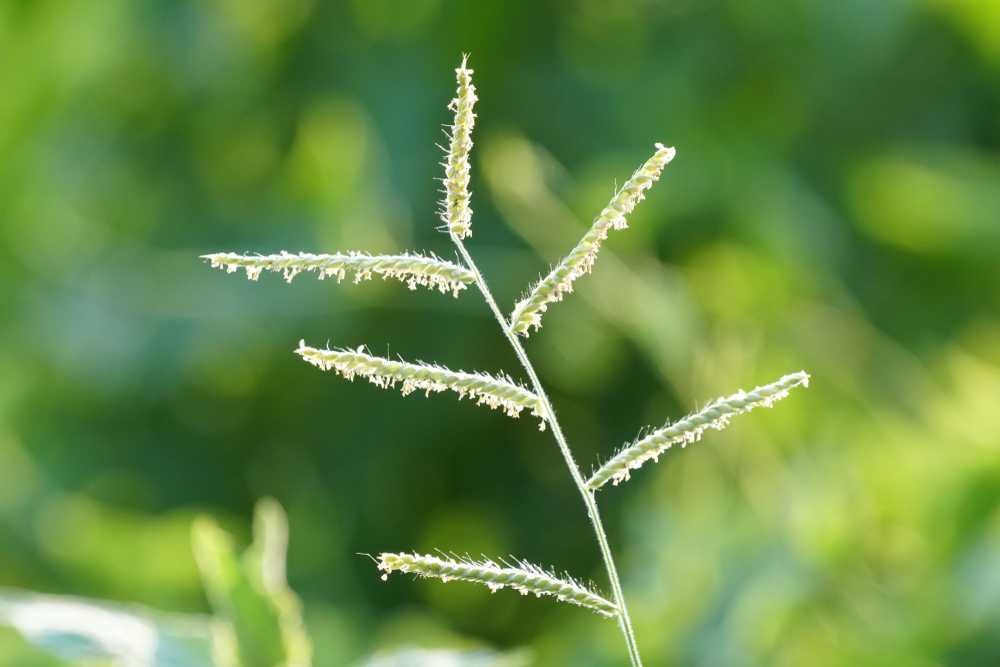
Another telltale sign is the flower head, which features three to six drooping spikes emerging from various points along the flowering stalk. Each spike has rows of flat, egg-shaped seeds with a fringe of hairs along their entire length. These features help spot this weed among other grasses in your lawn.
Identifying these traits allows for swift action to control them before they spread. Once spotted, targeted removal strategies can prevent it from taking over your yard.
Life Cycle of Dallisgrass
Knowing the life cycle helps with effective management. As a warm-season perennial plant, it can survive and thrive over multiple seasons due to its deep-rooted structure and genetic resilience. This resilience allows it to withstand various environmental conditions, including drought and a range of soil types.
It exhibits a seasonal growth cycle with distinct phases: emergence, active growth, and dormancy. It typically germinates in spring and summer when soil temperatures reach 60°F to 65°F, then enters a phase of rapid growth during the warm months with optimal air temperatures between 80°F and 90°F. If left unmowed, it forms stiff clumps that dominate large areas of your lawn.
Timing control methods according to these growth patterns allows for more effective targeting during vulnerable stages, enhancing the success of removal efforts.
Growth Patterns
This weed is known for its dense, clumping growth habit, which allows it to persist in suitable environments. The clumps expand as the short rhizomes grow outward, allowing them to spread and establish new plants over time. This growth pattern makes it particularly challenging to control, as it can quickly dominate areas of your lawn.
It typically grows in loose clusters and can reach heights of 1 to 5 feet, making it a prominent presence in any lawn. Rapid growth, especially under nitrogen fertilization, allows it to outcompete desirable turfgrasses, making it harder to maintain a healthy, weed-free lawn.
Reproduction Methods
The primary means of reproduction is through abundant amounts of flat, egg-shaped seeds, which allow for effective dispersal. In addition to seeds, it can spread through short underground stems known as rhizomes, which enable it to form new plants from established roots.
Flowering typically occurs from late summer to early fall, contributing to reproductive success through effective pollination. The flowering stalk seeds are dispersed by various mechanisms, including wind, water, and human activity, making it easier for this weed to establish itself in other sites.
Conditions Favoring Growth
This grass flourishes in warm, humid conditions, particularly in poorly drained regions. It tolerates both sandy and heavy clay soils and is tolerant of drought and frost once established. Optimal air temperatures for its growth range between 80°F and 90°F, while soil temperatures between 60°F and 65°F are ideal for seed germination.
Its preference for nutrient-rich soils, especially those high in nitrogen, further enhances its competitiveness against other turf species. Creating an environment less favorable for this weed based on these conditions can enhance your lawn care efforts.
Effective Lawn Care Practices
A thick, healthy turf effectively controls this grass by outcompeting it, minimizing its establishment. Regular lawn care practices, such as proper mowing and soil management, are major components of this effort.
Focusing on keeping your lawn dense and well-maintained will reduce the space and resources available for this invasive species to thrive. Implementing these practices in your home landscapes, golf courses, and warm-season lawns will help ensure a weed-free environment.
Proper Mowing Techniques
Proper mowing techniques are a critical component of control. Mowing at the recommended height and frequency can prevent seed setting and spreading. Regular mowing also encourages a thick, healthy lawn, which minimizes the space and resources available for this invasive weed.
Leaving grass unmowed for too long allows seed heads to develop, facilitating spread. A consistent mowing schedule keeps your lawn healthy and free of this problem.
Soil Management
Healthy soil conditions help minimize growth. High nitrogen levels in the soil can support rapid growth, making it more competitive against other turf species. Addressing soil health through regular testing and amendments can reduce competitiveness.
Proper soil management practices, such as aeration and fertilization, create an environment less conducive to growth. Combined with other lawn care practices, this helps maintain a healthy, weed-free lawn.
Mechanical Control Methods
Mechanical control methods like hand pulling can be effective for young plants and small populations. It is essential to remove the entire root system and rhizomes to prevent regrowth. The best time for hand pulling is when the soil is moist, making it easier to extract the roots.
Specialized weed pullers aid in removing these plants by gripping and pulling the entire plant, roots included. For larger infestations, digging out entire mature plants, including all roots and rhizomes, prevents regrowth.
Chemical Control Options
Chemical control options are often necessary for larger infestations. Selective herbicides like Celsius and Certainty target specific weeds without harming desirable grass. These postemergence herbicides require careful timing and repeated applications every 4 to 6 weeks for optimal effectiveness.
For spot treatments, nonselective herbicides like glyphosate can be effective but may also harm desirable turfgrass. Following product labels and proper application enhances the effectiveness of these chemical control options.
Additional restrictions may apply to certain herbicides, so always check local regulations and label directions before use.
Professional Pest Control Services
Hiring professional pest control services can be a game-changer in managing infestations. Experts have the knowledge and tools to effectively identify and control this weed.
Professional services often involve lawn renovation and can address infestations more comprehensively than DIY methods. Promptly contacting professionals ensures a more effective and lasting solution to your problem.
Preventing Future Infestations
Preventing future infestations starts with implementing preventive measures in early spring. Applying preemergent herbicides before seeds germinate can significantly reduce the risk of new infestations. Regularly monitoring and maintaining your lawn helps catch any new growth early.
Techniques like solarization, which involves covering infested areas with clear plastic to trap heat and kill the weed and its seeds, can also be effective. Taking proactive steps maintains a weed-free lawn and prevents reestablishment.
Understanding and identifying this invasive grass, along with implementing effective control methods, are key to maintaining a weed-free lawn. From proper mowing techniques and soil management to chemical control options and professional services, there are multiple strategies to tackle this weed.
Taking preventive measures and staying vigilant will help ensure that it does not reestablish in your lawn. With the right approach, you can enjoy a beautiful, healthy, and weed-free lawn.
Frequently Asked Questions
What are the key characteristics of this weed?
It is characterized by stiff clumps of leaf blades, a thick membranous ligule, and flower heads featuring three to six drooping spikes. These features are essential for identifying this grass species.
When is the best time to control this invasive grass?
The optimal time to control it is during its active growth phases in spring and summer, employing both mechanical and chemical methods for effective results.
What are effective mowing techniques to prevent spread?
To effectively prevent spread, mow regularly at the appropriate height and frequency to stop it from seeding and spreading. This proactive approach maintains your lawn’s health and minimizes weed growth.
How can soil management help in controlling this grass?
Effective soil management through maintaining proper nitrogen levels and ensuring regular aeration can significantly reduce competitiveness. By fostering healthy soil conditions, you can help control this invasive species.
Why should I consider professional pest control services?
Considering professional pest control services is essential because they possess the expertise and tools to manage infestations effectively, offering more comprehensive solutions than do-it-yourself methods. This ensures a more efficient and lasting resolution to the problem.
"*" indicates required fields
"*" indicates required fields