 Agents Available 24/7
The Best Practices for Dethatching Lawn Care
Dethatching a lawn removes the layer of dead and living materials above the soil, ensuring water, nutrients, and air reach the grass roots. This article explains why dethatching the lawn is important, when to do it, and the best methods for your lawn.
- Thatch is a layer of organic material that can be beneficial for lawns, but excessive buildup, particularly over half an inch, can harm grass health by blocking moisture and nutrients.
- Dethatching enhances root growth, improves nutrient absorption, and prevents diseases; it should be performed seasonally based on grass type and thatch thickness.
- Post-dethatching care, including proper watering, fertilization, and overseeding, is essential for lawn recovery and long-term health.
Understanding Thatch
Thatch consists of living and dead grass shoots, stems, and roots. It forms at the junction where grass stems, soil and grass roots, and soil meet. This layer is composed of various organic materials, including dead and living plant matter, grass clippings, and mulched leaves. When kept under control, this layer can be beneficial, retaining moisture and stabilizing soil temperatures, which promotes healthy grass growth.
However, problems arise when this layer becomes too thick. A healthy thatch layer should be less than half an inch thick; anything more can block water and fertilizer from penetrating the soil, suffocating roots and creating a breeding ground for pests and diseases. Excessive thatch can lead to increased pests and diseases, as well as reduced oxygen and moisture reaching the soil. A thatch layer more than three-quarters of an inch thick is considered problematic and needs to be addressed.
Why Dethatching Is Essential
Dethatching is crucial for several reasons. First and foremost, it enhances root growth by ensuring that essential moisture and air can reach the grass roots. Removing thatch also allows fertilizers to effectively mix with the soil, improving nutrient absorption. Additionally, dethatching improves drainage by eliminating barriers that prevent water from penetrating the soil.
Moreover, a thick thatch layer can create a breeding ground for lawn diseases, making dethatching crucial for maintaining a healthy lawn. Proper air circulation promoted by dethatching is essential for robust root development and overall plant health. Addressing these thatch issues can prevent diseases and keep your lawn vibrant and resilient.
Identifying When to Dethatch
Recognizing the right time to dethatch prevents unnecessary damage. Generally, dethatching should be performed when the thatch layer exceeds half an inch in depth. Certain grass types, such as Kentucky bluegrass and Bermudagrass, are more susceptible to excessive thatch accumulation and may require annual dethatching.
Timing matters. For cool-season grasses, early spring or early fall is ideal for dethatching. For warm-season grasses, mid-to-late spring or early fall is optimal. Avoid dethatching when weeds are sprouting, as it can encourage their growth. Choosing the right time ensures effective dethatching with minimal stress to your cool-season lawns.
Methods for Dethatching Your Lawn
There are several methods for dethatching your lawn, and choosing the right one depends on the size of your yard and the severity of the thatch buildup. Inappropriate tools can lead to inadequate dethatching or lawn damage; consider your yard size when selecting equipment. For large areas with severe thatch, a power rake is recommended. An electric dethatcher is the best tool for medium-sized lawns. This is especially true for those with mild to medium thatch.
Limit dethatching to half an inch to avoid grass damage and soil erosion. The methods include manual dethatching tools, power rakes, vertical mowers, and tow-behind dethatchers. Each method has its pros and cons, and understanding them will help you choose the best option for your lawn.
Manual Dethatching Tools
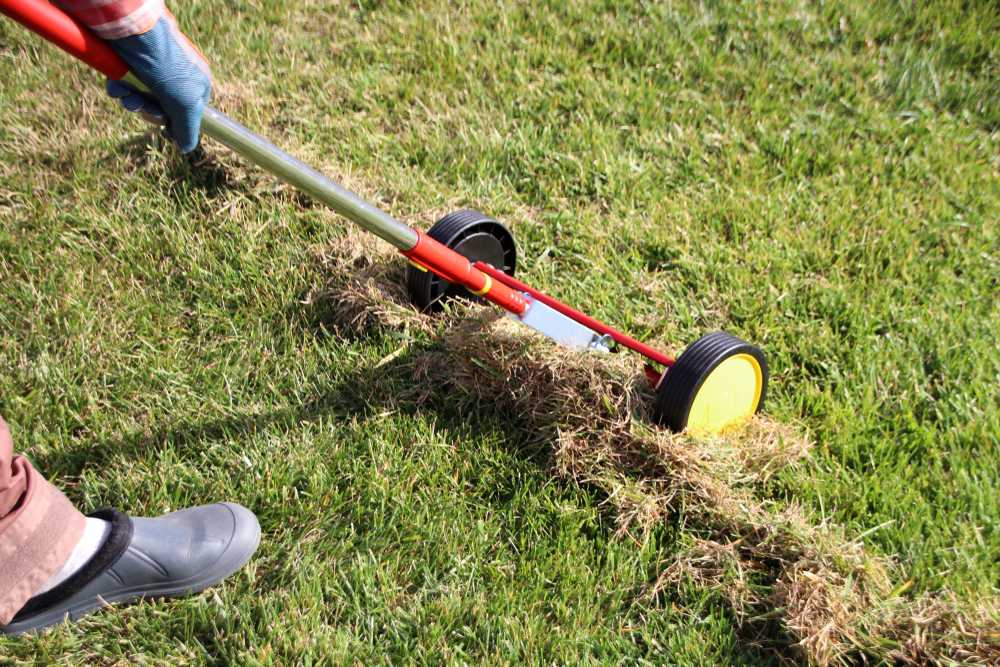
Manual dethatching tools, such as thatch rakes, are ideal for small lawns and light thatch removal. These tools are beneficial for removing light thatch without damaging the grass. A thatch rake, equipped with sharp tines, is effective for manually removing thatch by pulling it up from the soil surface.
While manually dethatching your lawn can be labor-intensive, it offers precise control over the amount of thatch removed and minimizes the risk of damaging the grass. This method suits small lawns or targeted areas with light thatch buildup.
Power Rakes and Vertical Mowers
Power rakes are equipped with rotating blades designed to handle dense thatch efficiently. They are suitable for lifting dead grass but do not penetrate the thatch as deeply as vertical mowers. Vertical mowers, also known as verticutters, are particularly effective for lawns with thick thatch because they slice into the soil, providing a deeper cut and more thorough thatch management.
Power rakes and vertical mowers both play important roles in lawn care. While power rakes are great for surface debris removal, vertical mowers are ideal for deeper thatch issues, ensuring healthier lawns by promoting better air and nutrient flow to the grass roots.
Tow-Behind Dethatchers
Tow-behind dethatchers are designed to be attached to riding mowers, making them highly efficient for large lawn areas. These dethatchers can be adjusted for depth to accommodate different levels of thatch, providing flexibility in managing various thatch problems.
This method is perfect for homeowners with extensive lawns who need a time-efficient solution for dethatching. Tow-behind dethatchers allow for quick coverage of large areas, ensuring thorough thatch removal and a healthier lawn.
Pre-Dethatching Preparation
Preparation is key to successful dethatching. One day before dethatching, water the lawn lightly to ensure proper soil moisture, which aids in the effectiveness of dethatching. Additionally, cutting the grass to about half of its usual height before the dethatching process helps reduce stress on the lawn.
These steps minimize potential grass damage and ensure a smooth, effective dethatching process.
Post-Dethatching Care
Post-dethatching care is crucial for the lawn’s recovery and long-term health. After dethatching, rake up debris and fertilize to support optimal recovery. Additionally, overseeding the lawn with premium grass seed promotes new growth and helps restore a lush, healthy appearance. It’s also recommended to overseed the lawn with premium grass seed to promote new growth.
Neglecting proper watering and fertilization can undermine dethatching efforts. Deep watering and overseeding ensure a healthier lawn post-dethatching. These practices help in maintaining the lawn’s visual appeal and overall health.
Preventing Thatch Buildup
Preventing thatch buildup involves several proactive lawn care practices. Over-fertilization and heavy pesticide use can contribute significantly to the buildup of thatch in lawns. Aerating compacted soils improves moisture and air flow, promoting the decomposition of thatch.
Addressing poor soil quality prevents recurring thatch issues. Judicious fertilizer application, especially in fall, and selecting grass varieties less prone to fibrous tissue can help control thatch.
Minimize pesticide use to avoid disrupting microorganisms that decompose thatch.
Common Mistakes to Avoid
Dethatching stresses the lawn temporarily, so avoid common mistakes that could cause further damage. A major mistake is dethatching at the wrong time of year or when grass is stressed by temperature extremes or poor growth conditions. Dethatching should be done according to grass type and in the appropriate season to minimize harm.
Another common mistake is taking too deep a cut during dethatching, which can damage the grass roots and soil structure. Proper lawn care before and after dethatching is vital for long-term lawn health.
Letting Professionals Handle Dethatching
For large yards with extensive thatch, consider hiring a local lawn care expert. How much thatch layers over 2 inches thick may need professional removal. Professional dethatching services, which typically cost between $145 to $247, can save time and ensure thorough work.
Experts can identify and address the root causes of thatch buildup, ensuring long-term healthy lawns. They also possess specialized equipment and knowledge, making them a valuable resource for maintaining your lawn’s health.
Dethatching is a vital lawn care practice that ensures your grass receives essential nutrients, water, and air. Understanding what thatch is, why it’s important to manage it, and the best methods for dethatching can help you maintain a lush, healthy lawn. Proper preparation, post-care, and prevention strategies are key to successful dethatching.
Taking these steps will not only improve the appearance of your lawn but also its overall health. Whether you choose to tackle dethatching yourself or hire professionals, the effort is well worth the reward of a vibrant, thriving lawn.
Frequently Asked Questions
What is thatch and why is it a problem?
Thatch, a layer of living and dead grass material, poses a problem as excessive buildup can obstruct the movement of water and nutrients to the soil, fostering conditions for pests and diseases. Managing thatch is essential for maintaining a healthy lawn and promoting optimal growth.
When is the best time to dethatch my lawn?
The best time to dethatch your lawn is early spring or early fall for cool-season grasses, while mid-to-late spring or early fall is preferable for warm-season grasses. Choosing the right season ensures optimal lawn health and recovery.
What tools are best for dethatching?
The best tools for dethatching vary based on lawn size and thatch severity: manual rakes are effective for small lawns, power rakes suit medium lawns, and tow-behind dethatchers are ideal for large areas. Select the appropriate tool to achieve optimal results for your lawn.
How can I prevent thatch buildup?
To prevent thatch buildup, avoid over-fertilization, limit pesticide use, and aerate compacted soils. Additionally, selecting appropriate grass species and managing your lawn care practices effectively are crucial.
Should I hire a professional for dethatching?
Hiring a professional for dethatching is advisable, especially if you have a large yard or significant thatch issues, as they possess the necessary expertise and equipment for optimal results.
"*" indicates required fields
"*" indicates required fields