 Agents Available 24/7
Do Carpenter Bees Sting? | Essential Facts and Prevention Tips
Yes, carpenter bees can sting. Only females can sting and they rarely do unless provoked. In this article we’ll cover do carpenter bees sting, their behavior, identification and prevention tips.
- Carpenter bees are solitary insects that bore into untreated or weathered wood, can cause structural damage if left unmanaged.
- Female carpenter bees can sting if threatened, males can’t sting and instead bluff to protect nests.
- Preventing carpenter bee infestations involves keeping wood surfaces, sealing holes and regular inspections to detect activity early.
What are Carpenter Bees
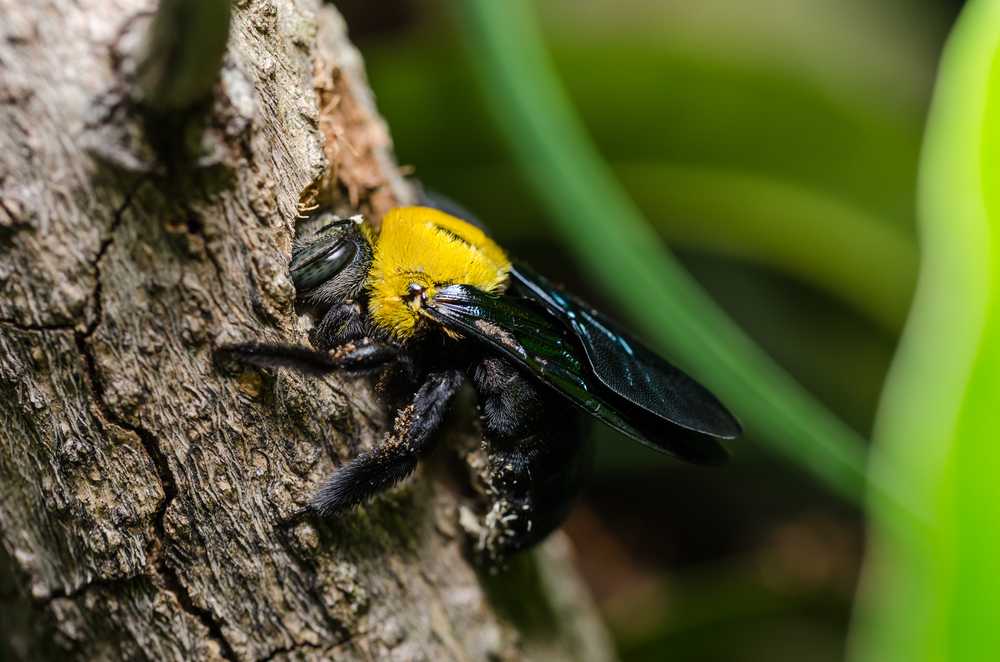
Carpenter bees are solitary insects that burrow and nest in wood, as carpenter bees bore into wooden structures. To identify carpenter bees note that unlike other bees that live in colonies, carpenter bees go solo, making their homes in wooden structures around our properties like fence posts, decks and sheds. They are found buzzing around these areas especially during spring and summer.
Carpenter bees can be identified by their shiny hairless abdomens which make them look like bumble bees. Large carpenter bees are 12-25mm, sometimes metallic and smaller ones are under 8mm and dark colored. Knowing these features helps to differentiate carpenter bees from bumble bees and honey bees.
Carpenter bees are attracted to wood with existing holes and cracks, and feed on plant pollen and nectar. They bore into untreated or weathered wood, creating nests that can cause structural damage if not managed. Knowing these traits helps in managing carpenter bee infestations, carpenter bees eat wood and can cause big problems.
Can Carpenter Bees Sting?
Yes, female carpenter bees can sting if they feel threatened, but they are generally non aggressive and rarely sting unless provoked.
Males can’t sting at all, they don’t have a stinger, but they do hover and bluff to protect their nests.
The next sections will go deeper into the differences between male and female carpenter bees and the symptoms of their stings.
Male vs Female Carpenter Bees
Only female carpenter bees have a stinger, they use it for defense and only as a last resort if they or their nest feels threatened.Male carpenter bees can’t sting but often bluff by hovering around intruders and dive-bombing to protect their nests. These behaviors make them seem aggressive but they are harmless to humans.
Carpenter Bee Sting Symptoms
A female carpenter bee sting can cause sharp pain and inflammation around the sting site. The initial pain is intense but usually subsides quickly. Over-the-counter pain relievers like ibuprofen or acetaminophen can help with discomfort.
Swelling often accompanies the pain from a carpenter bee sting. Applying antihistamine cream can reduce swelling, a cold compress or damp washcloth gives immediate relief. Cleaning the sting area with soap and lukewarm water helps prevent infection.
While not dangerous, carpenter bee stings can cause severe allergic reactions in some people like difficulty breathing and throat swelling, seek medical attention immediately. Multiple stings also require immediate medical help.
Generally carpenter bee stings are manageable with proper bee sting treatment and care.
Are Carpenter Bees Aggressive?
Carpenter bees are generally non-aggressive and avoid human contact. Female carpenter bees sting only when provoked, so you won’t be stung unless you’re directly threatening their nest.
Male carpenter bees can’t sting, but can appear aggressive due to their protective behaviors. They hover in front of intruders and do dive-bombing to scare away threats, to intimidate rather than harm.
Knowing these behaviors helps to ease fears and allows for a more informed approach to dealing with carpenter bees.
How to Identify Carpenter Bee Nests
Identifying eastern carpenter bees nests is key to managing and preventing infestations. Female carpenter bees create circular entry holes about half an inch in diameter, in untreated or weathered wood, where they burrow and lay eggs in a carpenter bee nest.
The accumulation of sawdust below entry holes, called frass, is another clear sign of carpenter bee activity. Regularly checking for these signs helps to detect infestations early and take preventive measures.
Faint chewing sounds in wood can also indicate carpenter bee nests. They create galleries that run parallel to the wood grain, several inches to up to 10 feet. Sticky yellow waste products near the nest entrance can also mean active nesting.
By knowing these signs, homeowners can act fast to address carpenter bee or termite infestations.
How to Prevent Carpenter Bee Infestations
Preventing carpenter bee infestations requires proactive measures and regular maintenance. Painting or varnishing exterior wood surfaces is very effective because carpenter bees don’t nest in treated wood.
Using hardwoods for outdoor structures also discourages nesting. Sealing holes and cracks in wood further prevents carpenter bees from finding a site. These preventive measures protect your property from damage.
Wooden Structures
To protect wooden structures, painting or staining wood makes it less attractive to carpenter bees who prefer untreated wood. Regularly treating exposed wood surfaces reduces the likelihood of nesting in a wooden structure.
Filling existing holes with steel wool and caulk prevents carpenter bees from reusing them. These measures protect the wood from carpenter bees and other pests that can cause structural damage.
Regular Inspections
Regular inspections help to detect carpenter bee activity early. Homeowners should inspect wooden structures for round holes and sawdust piles. Early detection allows for prompt action to prevent further infestation.
Painting or staining exposed wood surfaces as part of regular maintenance also deters carpenter bees from nesting. Vigilant inspections help homeowners manage and prevent infestations.
How to Get Rid of Carpenter Bees
Several methods can be used to get rid of carpenter bees. Insecticidal sprays or powders designed for wood-boring insects can be applied directly into the holes made by carpenter bees, into their nests.
Insecticidal treatments may require multiple applications to be fully effective. If DIY methods are not enough, professional pest control services can offer more potent solutions and management strategies.
Insecticidal Treatments
Insecticidal treatments involves applying insecticides specifically designed for wood-boring insects directly into carpenter bee nests. Residual insecticides are recommended for areas where carpenter bees are active to ensure long term effectiveness.
Insecticidal dust can also be applied into the entrance holes created by carpenter bees, targeting their nesting areas. These treatments control the carpenter bee population and prevent further damage to wooden structures.
Carpenter Bees as Pollinators
Despite the damage they can cause, carpenter bees are pollinators. Female carpenter bees stock their tunnels with pollen and nectar, a food source for their larvae and helps in pollination. This process is important for many plants, including those that require vibration to release pollen like blueberries and tomatoes.
Carpenter bees use buzz pollination, increasing the size of the fruits of the plants they pollinate. As generalist pollinators, they can pollinate many flowering plants, enhancing ecosystem health.
They can fly in adverse weather conditions making them important pollinators when smaller bees can’t operate. However, carpenter bees face risks from habitat loss and pesticide exposure which can impact their population. Balancing pest control measures with conservation efforts is necessary to recognize their ecological importance.
Understanding carpenter bees and their behavior helps homeowners to manage and prevent infestations. Female carpenter bees can sting, but they do so rarely and only when threatened. Male carpenter bees may seem aggressive in their bluffing behavior, but they are harmless as they can’t sting. Early detection of carpenter bee nests and preventive measures, such as painting and sealing wood, can protect your property from damage.
Carpenter bees are also pollinators, contributing to the health and reproduction of many plants. Balancing pest control with recognition of their ecological benefits is crucial. For severe infestations, professional pest control services offer effective and comprehensive solutions to manage and eliminate carpenter bee problems.
Frequently Asked Questions
Can male carpenter bees sting?
Male carpenter bees can’t sting because they don’t have a stinger; only female carpenter bees have this ability and they sting infrequently.
What are the signs of a carpenter bee nest?
Circular holes in wood, sawdust underneath and faint chewing sounds are signs of a carpenter bee nest. Address these signs promptly to prevent further damage.
How to prevent carpenter bee infestations?
To prevent carpenter bee infestations, paint or varnish exterior wood surfaces, use hardwoods for outdoor structures, and seal any holes or cracks in the wood. These measures will effectively discourage carpenter bees from nesting.
What to do if I get stung by a carpenter bee?
If you get stung by a carpenter bee, wash the area with soap and lukewarm water, apply cold compress and take over-the-counter pain relievers. Seek medical attention if you experience severe allergic reaction.
Why are carpenter bees pollinators?
Carpenter bees are pollinators because they can buzz pollinate, which is important for many plants reproduction. Their widespread pollination services contribute to overall ecosystem health.
"*" indicates required fields
"*" indicates required fields