 Agents Available 24/7
Drain Fly Infestation: Identification and Effective Removal Tips
Drain flies, also called drain flies, sewer flies, filter flies, or moth flies, are small insects that often appear around sink drains, floor drains, bathroom sinks, and other damp areas. If you’re dealing with a drain fly infestation, understanding their habits and how to eliminate them is crucial. This article will guide you through identifying these pests, understanding their life cycle, and implementing effective removal methods.
- These insects thrive in damp conditions with decaying organic debris, primarily found in residential and commercial drains and sewage systems.
- Understanding their life cycle, which includes egg, larval, pupal, and adult stages, is crucial for effective pest control.
- Preventing and managing infestations requires regular maintenance, thorough cleaning of drains with a pipe brush, and the elimination of standing water.
Understanding Drain Flies
Also known as moth flies or sewer flies, these small flying insects belong to the family Psychodidae. Scientifically known as Clogmia albipunctata, these pests are commonly found around sink drains, floor drains, and areas where stagnant water collects. Knowing their appearance, behavior, and preferred habitats aids in effective management and control of sink flies, the common drain fly.
These tiny insects can be a real nuisance, especially when they start appearing in large numbers. By examining their appearance and behavior, we can better recognize and locate them.
Appearance and Behavior
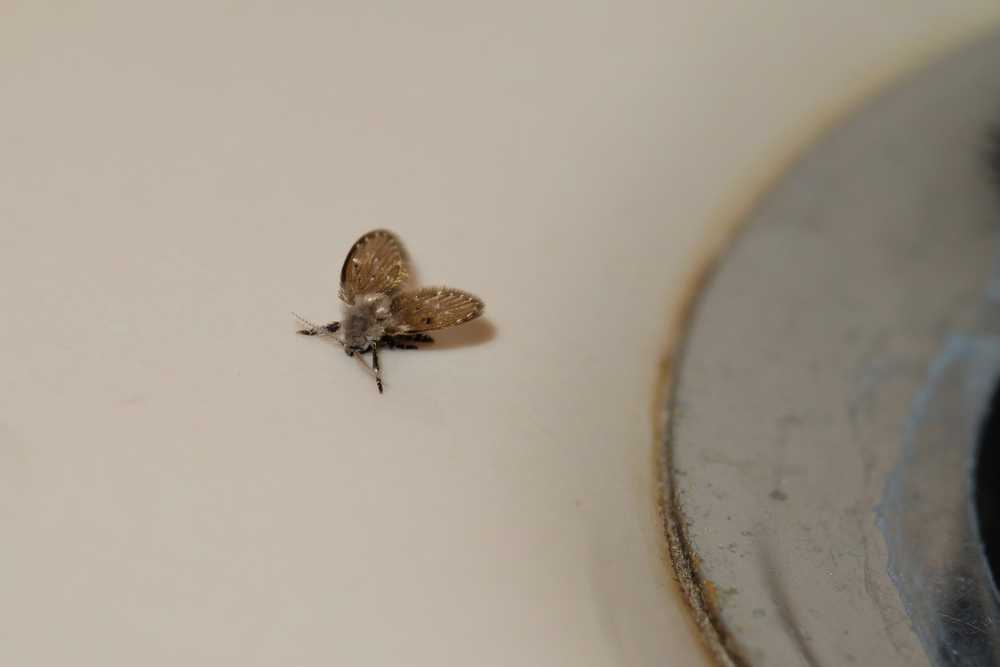
Adult drain flies are small, measuring about 1/8 inch in length, and are dark-colored with wings covered in small hairs, giving them a moth-like appearance. Their wings have distinct wing veins arranged in parallel, creating a mottled look due to dense hair-like scales. Despite their delicate appearance, these flies are quite hardy and can survive in a variety of environments. They exhibit short, hopping flights and are generally weak flyers, often seen resting on walls in bathrooms, near building exteriors, and in showers.
These characteristics help distinguish them from other small flies like fruit flies or fungus gnats. Their distinct head and body shape, along with their unique flying behavior, make them relatively easy to identify once you know what to look for.
Common Habitats
These pests thrive in environments with moist, decaying organic debris. They are commonly found in areas like clogged drains, septic systems, and sewage treatment plants. In residential homes, they often infest sink drains, floor drains, and shower drains, particularly in bathrooms that are infrequently used. These damp environments, often with wet organic material, provide an ideal breeding ground for them, allowing rapid multiplication.
In addition to residential settings, these insects can also be found in commercial properties and environments where organic material and moisture are prevalent. Identifying their preferred habitats helps pinpoint problem areas and implement control measures.
Life Cycle
The life cycle of these pests is a fascinating process that involves complete metamorphosis with four distinct stages: egg, larval, pupal, and adult. This cycle can take anywhere from 8 to 24 days to complete, depending on environmental conditions such as wet conditions and temperature. Knowing each stage provides insights into the most vulnerable points for intervention.
Breaking down each stage of the life cycle reveals how these pests develop and multiply.
Egg Stage
Females lay their eggs in moist to nearly saturated organic debris, such as sewage and compost. These eggs are typically laid in clusters, and the conditions must be just right for them to hatch. The wet organic substrates provide the perfect environment for the eggs to develop and eventually hatch into larvae.
The egg stage sets the foundation for the life cycle. Knowing where and how these pests lay eggs helps target prevention efforts effectively.
Larval Stage
Once the eggs hatch, the larvae emerge and begin feeding on wet organic material found in drains, particularly decaying substances like soap scum and bacteria in stagnant water. This feeding stage can last from nine to fifteen days at optimal temperatures, during which the larvae grow and develop. The larval stage is critical for development, as it is the primary period of growth and nourishment.
The larvae are often compared to mosquito larvae in appearance, but they are distinct in their habitat preferences and feeding habits. Disrupting the larval stage prevents these pests from reaching adulthood.
Pupal and Adult Stages
After the larval stage, the insect enters the pupal stage, which lasts about 24 to 48 hours. During this time, the larvae transform into adult flies, developing distinct respiratory structures and preparing for their emergence. Once conditions are favorable, the pupae emerge as adults, ready to continue the life cycle by laying eggs and starting the process anew.
Managing the transition from pupal to adult stages is vital for controlling infestations. By targeting these stages, we can significantly reduce the population and prevent future infestations.
Health Risks and Nuisance Factors
These insects are not known to transmit diseases, but they can still pose health risks and be a significant nuisance. Infestations can exacerbate respiratory issues and allergies for sensitive individuals. They can carry pathogens and potentially cause allergic reactions, making them a health hazard in homes, especially for those with pre-existing conditions.
Large populations can quickly become bothersome and unsightly. Their rapid reproduction rate means that even a small infestation can grow into a large problem if not addressed promptly. Recognizing the health risks and nuisance factors helps maintain a healthy and comfortable living environment.
Causes of Infestations
Infestations are primarily caused by moisture and organic material. These conditions create ideal breeding grounds, allowing them to thrive and multiply. Regular inspections and addressing leaks in plumbing systems, such as broken pipes or issues with the J-trap, are essential to prevent stagnant water from creating breeding sites.
In addition to moisture and organic material, poor sanitation conditions can also contribute to infestations. These conditions can lead to the growth of bacteria and mold, which attract these insects and provide them with the necessary resources to reproduce. Identifying the causes is the first step in implementing control measures.
Moisture and Organic Material
Females typically lay their eggs in wet or moist environments, preferring organic material. Psychoda alternata, a common species, lays eggs on damp surfaces, avoiding dry areas. The larval stage lasts from eight to fifteen days, depending on temperature, during which they thrive on decaying organic matter.
Fixing plumbing leaks and preventing clogs are key components of regular maintenance to avoid issues. By eliminating moisture and organic material, we can significantly reduce the likelihood of infestations.
Common Breeding Sites
These pests thrive in shaded environments where organic matter is present and moisture is high. Locations with stagnant water and rotting organic material, such as poorly-maintained drains, serve as ideal breeding sites. Typical locations for infestations include storm drains, kitchen sinks, bathroom fixtures, and floor drains.
Infrequently used drains, like those in guest bathrooms, are also common breeding sites. Identifying these sites helps target problem areas and implement control measures to prevent infestations.
Effective Methods to Get Rid of Drain Flies
Getting rid of these pests requires a combination of methods, including thorough cleaning, eliminating standing water, and sometimes professional pest control. Regular cleaning of drains and pipes can help eliminate the food sources and breeding grounds. Keeping areas clean is vital for prevention.
Exploring these methods in detail helps manage and control infestations.
Cleaning Drains and Pipes
Frequent cleaning of drains helps eliminate organic debris that larvae need to thrive. Using a metal pipe brush can help remove organic material from drain walls, reducing the chances of infestation. Cleaning sink drains, floor drains, and sewer drains regularly helps prevent infestations.
In addition to physical cleaning, using chemical drain maintainers such as baking soda and dish soap periodically can prevent the buildup of organic materials that attract these pests. Keeping drains free of clogs and debris helps keep these pests at bay.
Eliminating Standing Water
Standing water in homes is primarily caused by wet organic material, leaking pipes, and poorly maintained drains. Moisture and decaying organic matter attract these pests, often leading to infestations in the home. To effectively remove standing water, regularly clean and inspect your drains and plumbing, addressing any leaks or blockages.
A routine maintenance schedule helps identify and resolve issues before they lead to standing water. Pouring boiling water down drains breaks down organic material and prevents standing water. This simple practice can go a long way in preventing infestations.
Using Traps and Surface Tension Techniques
Traps coated with vegetable oil or petroleum jelly can capture adult flies emerging from drains by exploiting surface tension, preventing their escape. Simple traps using apple cider vinegar and dish soap can also help drown flies by breaking the surface tension of the liquid.
Preventing Future Infestations
Preventing future infestations requires a proactive approach that includes regular maintenance and monitoring. Keeping drains and plumbing systems clean prevents infestations. By eliminating areas where water can accumulate for long periods, we can prevent larvae from developing and reduce the likelihood of future infestations.
Practical steps can help prevent these pests from becoming a recurring problem in your home and can also help kill them.
Regular Maintenance
Consistent upkeep of plumbing systems helps prevent clogs that attract these pests. Inspections of drainage systems can identify potential breeding grounds before they become a problem. Cleaning and maintaining drain pipes, drains, pipes, and plumbing fixtures regularly keep your home free from these pests.
Incorporating these practices into your routine maintenance schedule helps prevent future infestations and ensures a healthy living environment.
Monitoring and Traps
Regular monitoring of drain areas can help catch infestations in their initial stages. Setting traps can help detect these insects early and monitor the effectiveness of control measures. Using clear adhesive tape over drains can help capture adult insects and monitor for potential infestations.
These simple yet effective monitoring techniques can help you stay ahead of potential problems and ensure that any infestations are addressed promptly.
Understanding the appearance, behavior, and life cycle of these pests is crucial for effective management and control. By addressing the causes of infestations, such as moisture and organic material, we can prevent these pests from taking hold in our homes. Cleaning drains, eliminating standing water, and seeking professional pest control services when necessary are all effective methods to get rid of them.
Preventing future infestations requires a proactive approach that includes regular maintenance and monitoring. By incorporating these practices into your routine, you can ensure a healthy, pest-free living environment. Take action today to manage and prevent infestations, and enjoy a cleaner, more comfortable home.
Frequently Asked Questions
Are drain flies harmful?
These insects are not harmful to humans or animals as they do not bite, sting, or pose health risks; however, they are considered a nuisance. Hence, while they are generally not unsanitary, it is advisable to manage their presence effectively.
Why do I suddenly have drain flies?
The sudden presence of these pests indicates likely stagnant water sources such as clogged drains, broken pipes, or leaks. To resolve the issue, inspect and address these potential breeding sites promptly.
What are drain flies?
Drain flies, also known as moth flies, filter flies, or sewer flies, are small insects that proliferate in moist areas containing decaying organic material, frequently inhabiting sinks and drains. Their presence typically indicates a buildup of organic matter that requires attention.
How can I identify drain flies?
You can identify these insects by their small size, dark coloration, and moth-like appearance due to the fine small hairs covering their wings. They typically display short, hopping flights and are commonly found resting on bathroom walls and near drains.
What causes drain fly infestations?
Infestations are caused by moisture and organic materials found in clogged drains, septic systems, and stagnant water. To prevent these infestations, it is essential to address plumbing issues and maintain cleanliness.
"*" indicates required fields
"*" indicates required fields