 Agents Available 24/7
Earwig Bug Control: Tips and Treatment
What are Earwig Bugs and how do you get rid of them? Earwig bugs are insects with distinctive pincers that thrive in moist environments. This article explains the behavior of earwig bugs and effective strategies to control earwig bugs in your home and garden.
- Understanding the physical characteristics, life cycle, and behavior of earwig bugs is key to effective control in homes and gardens.
- Preventative measures such as removing excess moisture, maintaining garden hygiene, and sealing entry points can help minimize earwig bug infestations.
- Trapping earwig bugs, chemical treatments, and using natural predators and biological controls can help manage earwig bug populations effectively.
The focus of the article is on the earwig, exploring its habits, habitats, and how to effectively manage earwig populations to protect your home and garden from earwig damage.
Earwigs
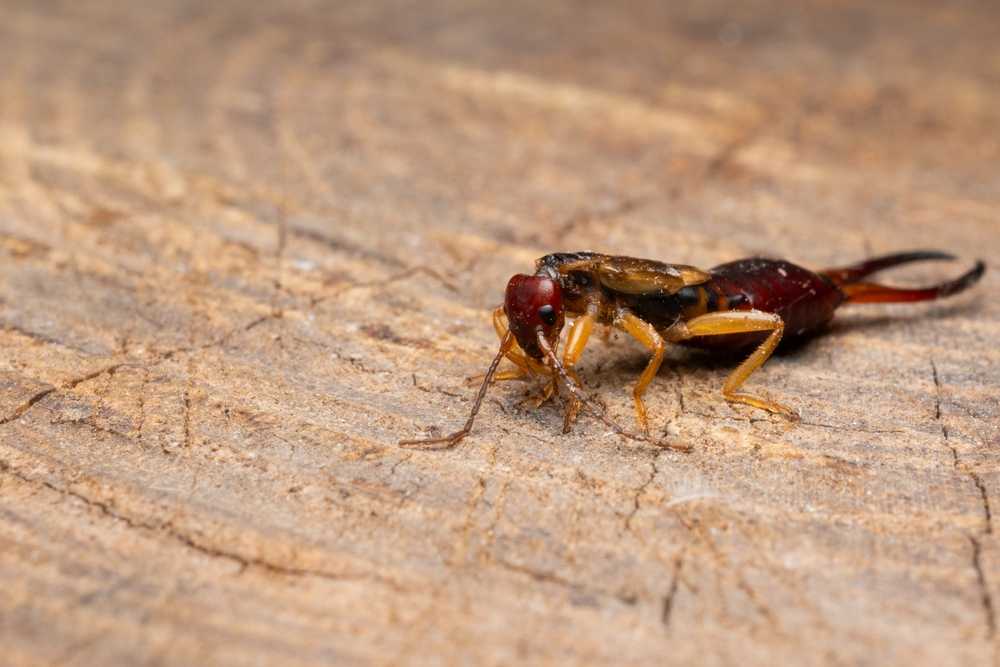
Earwigs are cool insects with pincers and like moist areas. Those pincers are actually forceps like structures called cerci which are unsegmented appendages used for defense and mating. Adult earwigs are reddish brown in color. An adult earwig is typically about 5 to 25 mm long, with well-developed forceps at the tail and, in many species, wings folded under short wing covers. They don’t attack humans and generally don’t bite but can if trapped. As a defense mechanism earwigs can emit a foul smelling, yellowish brown liquid from scent glands when threatened.
Earwig control starts with understanding their physical characteristics, life cycle, and species. Earwigs go through several developmental stages from egg to adult. During these developmental stages, immature earwigs resemble adults but are lighter in color and lack wings. Females lay eggs and care for the nymphs during these stages. Most species of earwigs have these general characteristics. This is the foundation for advanced control methods.
Common Earwigs
Common earwigs have an elongated and flattened body shape, which allows them to hide in narrow spaces. They are brown, about an inch long, and have pincers on their abdomen. Knowing these features helps in effective pest control, preventing damage in gardens and homes.
Life Cycle of Earwigs
Earwigs life cycle starts when female earwigs lay eggs, usually 30 or more, in the autumn in a nest or underground chamber constructed by the female. These nests serve as protection for the eggs during winter, a safe place for them to develop. In early spring, eggs hatch as the weather warms, and nymph development begins. After hatching, the newly hatched young or nymphs stay in their cell and are dependent on their mother for care and feeding until they molt. They usually produce one generation per year but female earwigs can produce two broods.
Earwig Species
In Texas, some of the common earwig species are:
- Ring-legged earwig (Euborellia annulipes)
- Linear earwig (Doru lineare)
- Riparian earwig (Labidura riparia)
- Brown-winged earwig (Vostox brunneipennis)
Each species has unique characteristics, but all have distinctive pincers.
Another notable species is the European earwig (Forficula auricularia). Originally from Europe, the European earwig is now widespread in North America, including Texas. It can be identified by its reddish-brown body, forceps-like pincers, and short wings. The European earwig is often found in gardens and homes, where it can act as both a pest and a beneficial insect by feeding on other pests.
Earwig Behavior and Habitat
Knowing earwig behavior and habitat helps in control. They thrive in moist, shaded areas like well irrigated gardens and cool, damp areas and invade homes during extreme heat or dryness. Earwigs are found in cracks and crevices and other crevices both outdoors and indoors. They hide in moist crevices, moist places and under mulch or mulches at ground level. Earwigs are active at night, which means they are most likely to be seen foraging or moving around after dark.
Consider their behavior, feeding habits, hiding places, and activity patterns in any control strategy. Earwigs can also be found under potted plants.
Feeding Habits
Earwigs are omnivorous, they eat plant debris like decaying leaves and fruits and other insects and their eggs. During early development young earwigs are fed by their mother who provides them with food and care. This diet can cause earwig damage to gardens especially young seedlings, flowers and soft fruits as immature earwigs feed on various organic matter.
Earwigs feed at night so they are harder to observe during the day.
Hiding Places
Earwigs hide in moist, dark areas to retain moisture. Common hiding places include moist soil clods, under boards, among dense plants, under plant pots, and in leaf litter. Knowing these hiding spots helps in managing earwig population.
Earwigs are nocturnal, hiding during the day and foraging at night. Their activity peaks in dark, damp conditions to avoid predators and retain moisture.
Earwigs in the Garden
In gardens earwigs can be beneficial and detrimental. They eat decaying plant material and contribute to the breakdown of organic matter. But they can also cause significant damage to healthy plants especially young seedlings and soft fruits. Earwigs can also damage flowers and ornamental plants like butterfly bush and can affect various crops besides garden plants.
Knowing their impact on garden plants helps in implementing control measures.
Earwig Feeding Damage
Earwigs are scavengers that eat decaying plant material and other insects. European earwigs, for instance, feed on both plant material and insects. They create irregular holes in leaves resembling caterpillar damage. They also target flowers like zinnias, marigolds, and dahlias, causing serious damage.
Earwigs can also damage sweet corn by eating the silks preventing pollination.
Preventing Earwig Infestations in Gardens
Preventing earwig infestations requires regular maintenance and strategic measures. Here are some effective methods:
- Remove plant debris and excess moisture to lower population.
- Use simple traps like shallow cans filled with oil.
- Roll up damp newspapers to capture earwigs.
By doing these you can keep earwig population under control.
Natural predators like toads, birds, chickens and ducks can also help control earwig population.
Earwigs as Household Pests
Earwigs can be significant pests in homes especially during summer when they seek shelter from unfavorable external conditions. Often, earwigs enter the house through cracks, gaps, or open doors and windows, hiding in damp, dark areas such as basements, bathrooms, or under sinks. Although they are harmless to humans, their presence can be a nuisance.
Knowing how they enter homes and indoor control methods is important to maintain a pest free environment.
Entry Points
Earwigs enter through cracks in walls, gaps around doors, openings in window screens and cracks and crevices. These entry points are easy access to homes. Sealing these cracks and gaps can help prevent earwig infestations.
Indoor Control Methods
Effective indoor control is vacuuming, sealing entry points, and removing outdoor materials that harbor earwigs. Earwigs found indoors can also be collected and drowned in soapy water, which is an effective and inexpensive control method. Moisture control, like repairing drain spouts and ventilating crawl spaces, also minimizes problems.
Professional pest control experts can provide customized solutions for severe infestations.
Effective Earwig Control Strategies
Managing earwig population effectively involves a mix of natural methods and targeted chemical treatments. Knowing the various strategies helps in choosing the best approach.
This section will cover trapping methods, chemical treatments and professional pest control services.
Trapping Earwigs
Trapping earwigs can reduce their numbers. Common traps are rolled-up newspapers, low-sided cans, corrugated cardboard, bamboo tubes and pieces of hose. Attract them with materials like fish oil, vegetable oil or bacon grease to trap earwigs.
Place traps near shrubbery, ground cover or against fences at soil level for best results.
Chemical Treatments
Chemical treatments can control earwigs when natural methods fall short. Insecticides with spinosad are highly effective, especially when applied at night.
Baits are often ineffective because of abundance of other food sources.
Natural Predators and Biological Control
Natural predators and biological control manage earwig population in an environmentally friendly way. Earwigs are prey for various natural predators helping to keep their numbers in check.
Common predators and biological control agents like tachinid flies and fungi will be highlighted.
Predators of Earwigs
Predators of earwigs are amphibians like frogs and newts, various birds and larger beetles. They play a crucial role in maintaining earwig population and a balanced ecosystem.
Biological Control Methods
Biological control uses natural agents like tachinid flies and fungi to manage earwig population. Tachinid fly larvae for instance feed on earwigs.
Certain fungi can control earwig population by targeting their reproductive systems.
Knowing earwig behavior, identifying their presence and implementing effective control methods are key to managing these pests. From traps to chemical treatments to professional pest control services and natural predators, there are many ways to keep earwigs away. Be proactive and keep your gardens healthy and homes pest-free.
Frequently Asked Questions
Where do earwigs enter homes?
Earwigs enter homes through cracks in walls, gaps around doors and openings in window screens. Sealing these entry points can prevent their entry.
What are effective indoor control methods for earwigs?
To control earwigs indoors, vacuum regularly, seal entry points and remove outdoor materials that attract them. This will minimize their presence in your home.
What natural predators control earwig population?
Natural predators that control earwig population are birds, beetles, amphibians like frogs and newts and chickens and ducks. Encourage these animals in your environment to maintain a balanced ecosystem.
How do I trap earwigs?
To trap earwigs, use rolled-up newspapers or low-sided cans filled with fish or vegetable oil and place near shrubbery or ground cover at soil level. This will attract earwigs and control their population.
Who can help with severe earwig infestations?
For severe earwig infestations, contact Purcor Pest Solutions which offers comprehensive pest management services done by licensed professionals. Their expertise ensures home pest protection.
"*" indicates required fields
"*" indicates required fields