 Agents Available 24/7
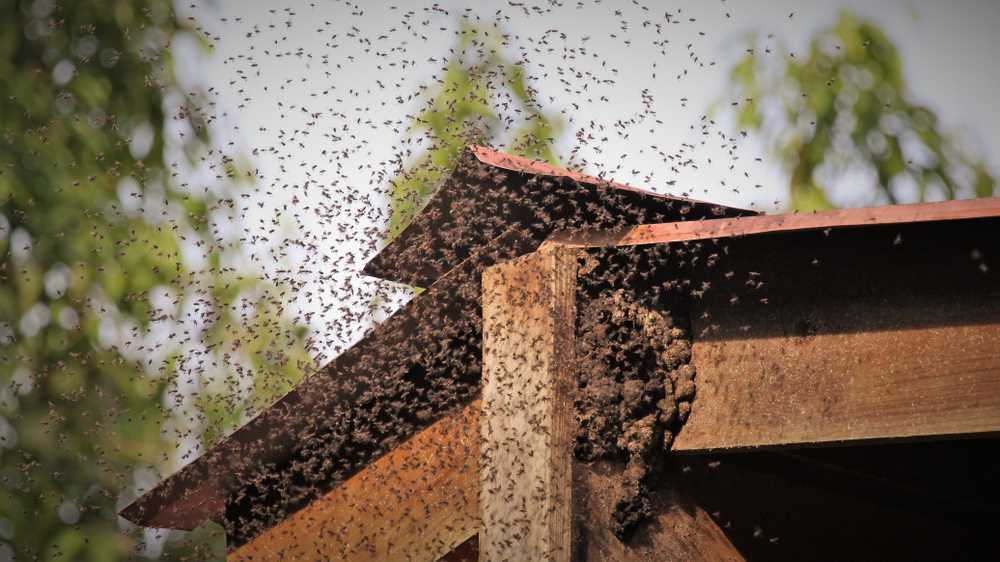
The Threat of Killer Bees: Understanding and Managing Africanized Honey bees
Regions of South and Central America have witnessed the rapid spread of Africanized honey bees, commonly known as killer bees due to their aggressive nature. Understanding these bees is crucial for public safety, bee health management, and apiculture. This article explores the origins, physical characteristics, behaviors, impacts on society, and effective control methods of Africanized honey bees.
Scientists developed the Africanized honey bee population in São Paulo, Brazil, through hybridization programs combining European queens with African honey bees, aiming to increase honey production. After escaping containment, these bees quickly spread throughout South and Central America and beyond.
Africanized honey bees differ from European honey bees by their slightly smaller size, darker coloration, and shorter wings. However, their general appearance is so similar that DNA testing by institutions such as the Smithsonian Institution and the Entomological Society of America (ESA). is required for accurate identification.
Effective management includes sealing potential nesting sites like water meter boxes, regular swarm monitoring, and engaging professional pest control services to protect the public, pets, livestock, and other animals. …
The Origin of Killer Bees
In 1956, Dr. Warwick E. Kerr from São Paulo, Brazil, initiated a breeding program to combine the European strain of honey bees with African honey bees from southern Africa to enhance honey production in tropical climates. This effort aimed to merge the European bees’ higher honey yields with the African bees’ resilience to warmer environments.
In 1957, 26 swarms escaped quarantine, leading to their rapid colonization of South and Central America. Their aggressive defensive behavior and adaptability have made them a significant invasive species problem across diverse ecosystems.
This event highlights the risks of manipulating bee populations and underscores the importance of responsible beekeeping management.
Identifying Africanized Honey Bees
Africanized honey bees exhibit darker brown coloration with less defined black bands compared to European honey bees. They are slightly smaller and have shorter wings. Due to their close resemblance to European honey bees, identification relies on detailed morphological measurements and DNA analysis conducted by expert organizations like the Smithsonian Institution and the Entomological Society.
Behavioral Traits of Africanized Bees
Africanized bees display far more aggressive defensive behaviors than European honey bees. When threatened, they respond rapidly and collectively, often pursuing perceived threats for longer distances—over 400 meters. Their swarms can number from 300,000 to 800,000 bees, facilitating swift colonization of new areas.
Their foraging behavior is well adapted to tropical environments, allowing efficient collection of pollen and nectar to support their high reproductive rates. Africanized drones outcompete European drones during mating flights, leading to Africanized genetics dominating many territories.
Impact on Public Safety
The aggressive nature of Africanized honey bees has heightened public fear due to their tendency to attack in large numbers, delivering multiple stings that can be life-threatening. Victims have reported being chased for longer distances before receiving medical attention.
Media coverage has amplified public concerns; however, agencies such as the Utah Department and professional pest control services actively monitor and manage these bees to reduce risks.
Africanized Bees in North America
Africanized honey bees first entered Texas in 1990, likely through concealed shipments of oil field equipment. Since then, they have established populations in southern California, New Mexico, Arizona, Nevada, and other southern U.S. states. Their northern expansion is limited by colder climates, but warming winters may allow further spread.
Consequences for Apiculture
The aggressive nature and swarming behavior of Africanized honey bees challenge beekeeping practices. Nevertheless, they produce more honey and show better resistance to pests and diseases in tropical and subtropical regions of Central and South America, contributing positively to bee health.
Beekeepers in these regions manage Africanized bees by periodically requeening hives with European queens to maintain gentler traits.
Management Techniques for Africanized Bees
Homeowners and beekeepers can minimize Africanized bee colonization by:
- Sealing all structures to prevent nesting, including water meter boxes and other hidden sites.
- Regularly inspecting for swarms and bee activity near homes and livestock areas.
- For other pests, like spiders, homeowners can find natural methods to deter them to help prevent invasions without relying on chemicals.
- Keeping pets indoors and shielding livestock with protective barriers during peak bee activity.
- Contacting professional pest control services for safe removal of nests and swarms.
- Utilizing emergency responder techniques such as foam or surfactants for effective control.
Resilience to Colony Collapse Disorder (CCD)
Africanized honey bees demonstrate higher resistance to Varroa mite infestations due to their natural grooming behaviors. This resilience may help address the decline of western honey bee populations.
Adaptation and Calming Trends
In Puerto Rico, Africanized bees have naturally evolved to be less aggressive over several generations, likely due to the absence of natural predators. This suggests the potential for breeding calmer bees in the future.
Protecting Pets and Livestock
Africanized honey bees pose a threat to outdoor pets and livestock, especially mammals like dogs and cows. Providing shelter and protective measures during peak bee activity reduces the risk of attacks.
Role of Professional Pest Control
Professional pest control is essential for safely managing Africanized honey bee colonies. Experts use specialized equipment and techniques to minimize the risk of multiple stings and ensure safe nest removal, protecting people, animals, and the environment.
The combination of aggressive behavior, rapid reproduction, and impact on beekeeping and public safety presents unique challenges posed by Africanized honey bees (killer bees) Understanding their characteristics and management strategies is vital. Through professional pest control and adapted beekeeping methods, coexistence and control are achievable. Their resilience offers hope for improved bee health.
Frequently Asked Questions
How do I recognize an Africanized honey bee?
They are slightly smaller, darker brown with shorter wings, but DNA testing by institutions like the Smithsonian Institution provides the most reliable identification.
If I encounter a swarm of Africanized honey bees, what should I do?
Maintain a safe distance and contact professional pest control for safe removal.
Are Africanized honey bees more aggressive than European honey bees?
Yes, they exhibit increased defensive behavior, attacking in larger numbers and chasing people over longer distances.
How can I protect my pets from Africanized honey bee attacks?
Keep pets indoors and provide protective shelters for livestock during periods of high bee activity.
What role do professional pest control services play in managing Africanized honey bees?
They safely manage and remove colonies, reducing risks to humans, animals, and property.
"*" indicates required fields
"*" indicates required fields