 Agents Available 24/7
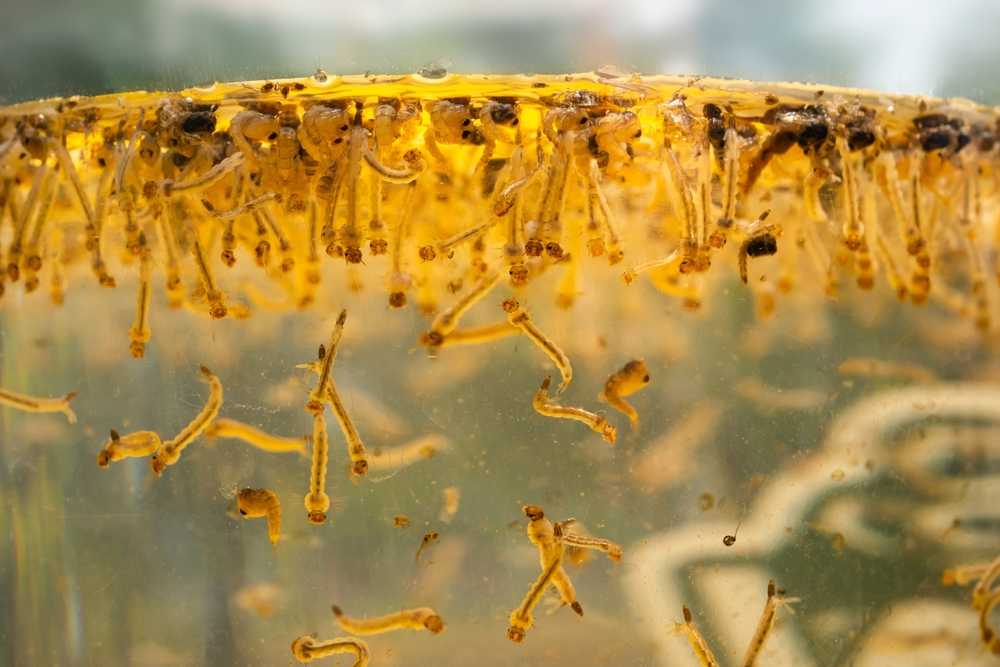
Understanding Mosquito Larvae: Life Cycle and Development
Mosquito larvae are young mosquitoes living in stagnant water. They are crucial for understanding mosquito populations because they are key targets for control. This article delves into their life cycle, habitats, and control methods.
- Mosquito larvae serve as a vital link in the mosquito life cycle, developing in aquatic environments and acting as food sources for various freshwater animals.
- Effective mosquito control necessitates the identification and management of breeding habitats, as eliminating stagnant water can significantly reduce mosquito populations.
- Understanding the feeding habits and developmental stages of mosquito larvae is essential for implementing targeted control measures to disrupt the life cycle of mosquitoes.
The Role of Mosquito Larvae in the Life Cycle
Mosquito larvae are a critical stage in the mosquito life cycle, serving as the aquatic bridge between the egg and the pupa. Female mosquitoes lay their eggs in standing water, ensuring that the larva culex larvae and other mosquito larvae have the necessary environment to thrive. These tiny creatures are not just future mosquitoes; they are significant players in aquatic ecosystems, serving as a food source for many freshwater animals.
During their larval stage, mosquitoes undergo several molts, or instars, where they shed their exoskeleton to grow. This process can take anywhere from five days to a month, depending on environmental conditions. Understanding this stage is crucial for controlling mosquito populations, as it is during this time that they are most vulnerable to interventions.
The development of mosquito larvae into pupae and eventually adult mosquitoes is a fascinating journey. Each stage is marked by significant changes, illustrating the complex biology of these insects. By studying mosquito larvae, we can gain insights into the broader mosquito life cycle and discover new ways to interrupt it, helping to reduce the prevalence of these pests.
Habitat and Breeding Grounds for Mosquito Larvae
Mosquito larvae thrive in a variety of natural and artificial habitats. Natural settings such as ditches, puddles, and salt marshes provide the still water necessary for their growth. Seasonal puddles can also serve as breeding grounds for certain mosquito species. In urban areas, artificial containers like discarded bottles, trash, and even cisterns and water tanks can become viable habitats for mosquito larvae if water is not regularly drained.
Managing these breeding grounds is essential for controlling mosquito populations. Eliminating stagnant water sources, cleaning debris from gutters, and regularly changing water in birdbaths are effective measures homeowners can take. These actions disrupt the mosquito life cycle by removing the environments where female mosquitoes lay their eggs.
Understanding the diverse habitats where mosquito larvae can thrive is crucial for developing effective control strategies. By targeting these areas, we can reduce the number of mosquitoes that reach adulthood, thereby decreasing the risk of mosquito-borne diseases and improving our quality of life.
Feeding Habits of Mosquito Larvae
Mosquito larvae are voracious feeders, consuming microorganisms and organic matter found in their aquatic environments. Their diet includes aquatic algae and a variety of organic materials, which provide the essential nutrients needed for their growth. This feeding behavior plays a crucial role in their development, allowing them to mature into healthy adult mosquitoes.
Unlike adult mosquitoes, which require blood meals to produce eggs, mosquito larvae rely entirely on their aquatic habitats for sustenance. This distinction highlights the importance of managing water quality and organic matter in areas where mosquitoes are prevalent. By reducing the availability of food sources, we can impact the survival and development of mosquito larvae.
The feeding habits of mosquito larvae set them apart from other aquatic insects and small flies. Their specialized mouthparts are adapted to filter and consume tiny particles from the water, making them efficient feeders. Understanding these habits can help us develop targeted strategies to control mosquito populations at their most vulnerable stage.
Development Stages of Mosquito Larvae
Mosquito larvae undergo four distinct growth stages known as instars before reaching the pupal stage. Each instar represents a period of growth and physical change, during which the larvae shed their exoskeleton to accommodate their increasing size. The typical duration of the larval stage ranges from 4 to 14 days, depending on environmental conditions.
The aquatic stages of mosquitoes, which include both the larval and pupal stages, are critical periods in their life cycle. During these stages, larvae must obtain sufficient nutrients and avoid predation to survive and develop into pupae. The transition between instars is marked by significant changes in their physiology and behavior, reflecting their adaptation to aquatic environments.
Understanding the development stages of mosquito larvae is essential for effective control measures. By targeting specific instars with larvicides or other interventions, we can disrupt the mosquito life cycle and reduce the number of adult mosquitoes that emerge. This approach is a key component of integrated mosquito management strategies, combining source reduction and larviciding to achieve long-term control.
How Larvae Breathe and Move
Mosquito larvae have adapted to their aquatic environments with unique breathing and movement mechanisms. They breathe air through a siphon located on their abdomen, which allows them to access air at the water surface. This adaptation is crucial for their survival, as it enables them to obtain oxygen while remaining submerged.
In addition to their breathing adaptations, mosquito larvae exhibit distinct movement patterns. They swim by propelling themselves with mouth brushes or through a jerky, wriggling motion of their bodies. These movements help them navigate their aquatic habitats, avoiding predators and searching for food.
Understanding how mosquito larvae breathe and move provides valuable insights into their behavior and vulnerabilities. By exploiting these characteristics, we can develop more effective control strategies to target larvae in their natural habitats.
Common Species of Mosquito Larvae
Several mosquito species are particularly common and widespread, each with unique breeding habits and ecological preferences. Most mosquito species, for example, include a few species of Anopheles mosquitoes that breed in swamps, furrows, and shallow, sunlit water collections. These habitats provide the specific conditions needed for their larvae to thrive.
The abundance of Anopheles larvae is influenced by habitat characteristics and land use types, with certain environments being more conducive to their development. In Ghana, dug-out wells are especially productive breeding sites for Anopheles larvae during both dry and rainy seasons. Understanding these habitat preferences helps in targeting control measures more effectively.
Culex mosquitoes are another common species, known for their ability to breed in a variety of water bodies, including artificial containers and standing water in urban areas. By recognizing the habitats and behaviors of these and other mosquito species, including male mosquitoes, we can develop targeted strategies to manage mosquito populations and reduce the risk of mosquito-borne diseases.
Environmental Factors Affecting Mosquito Larvae
Environmental factors play a significant role in the development and survival of mosquito larvae. Higher water temperatures, for instance, can speed up the developmental rate of mosquito larvae, especially in eutrophic conditions. The entire life cycle, from egg to adult, can last from as little as four days to a month, depending on the environmental conditions.
Eutrophication, which enhances the food supply for mosquito larvae, can accelerate their development and increase adult emergence. However, it can also decrease larval survival rates due to increased competition and predation. The presence of predators significantly impacts the emergence rates of adult mosquitoes, particularly in nutrient-rich environments.
Different food sources, influenced by environmental factors such as sunlight and vegetation, can affect the growth and health of mosquito larvae. Healthier larvae, which consume a diet rich in beneficial algae, may develop better immune systems. Understanding these factors is crucial for developing effective mosquito control strategies that take into account the complex interactions between larvae and their environment.
Control Measures for Mosquito Larvae
Effective control of mosquito larvae requires a combination of community-wide efforts and targeted interventions. Large larval habitats, such as swamps and stagnant streams, often necessitate coordinated efforts to manage. Female mosquitoes can lay eggs at once, and when those eggs hatch, it becomes essential to control their breeding grounds to prevent large-scale infestations.
Biological control methods, such as introducing mosquito-eating fish like Gambusia into water bodies, are effective in reducing larval populations. Acoustic larvicides, like the LarvaSonic, use sound energy to disrupt the internal structure of mosquito larvae, leading to their death. Larvicides, which target mosquito larvae, can be applied to water near shorelines and other breeding areas.
Given the role of mosquitoes as vectors for serious diseases, professional pest control services are crucial for effective management. Experts in mosquito control can quickly identify infestation signs and breeding locations, preventing new larvae from developing. Professional pest control significantly reduces the chances of contracting diseases from mosquitoes, highlighting the importance of specialized services.
The Transition from Larvae to Pupae
The transition from larva to pupa is a critical phase in the mosquito life cycle. This transformation occurs after the larva has completed its growth and feeding stages. During this time, larvae undergo significant internal transformations as their tissues reorganize to form an adult mosquito. Eventually, the adult mosquito emerges.
The pupal stage marks the end of feeding behavior for mosquito pupae. Pupae do not feed but rely on stored energy as they undergo metamorphosis. They are equipped with two breathing trumpets located on their back, allowing them to access air while floating near the water’s surface.
Understanding the transition from larvae to pupae is essential for developing effective control strategies. By targeting larvae before they reach the pupal stage, we can disrupt their development and reduce the number of adult mosquitoes that emerge. This approach is a key component of integrated mosquito management strategies, combining source reduction and larviciding to achieve long-term control.
Importance of Professional Pest Control
Professional pest control services play a crucial role in managing mosquito populations and enhancing outdoor living experiences. Effective mosquito control enables families to enjoy their yards for recreational activities without the constant annoyance of mosquito bites.
Using trained professionals ensures the safer application of pest control chemicals, protecting family and pets. Hiring experts for mosquito control can save time and stress, often allowing treatments to occur without requiring homeowners to be present. This convenience, combined with the effectiveness of professional services, makes it a cost-effective alternative to DIY methods.
Organized mosquito control programs employ Integrated Mosquito Management (IMM) strategies. These programs combine source reduction and larviciding to achieve long-term control of mosquito populations, ensuring a safer and more enjoyable outdoor environment.
Understanding the life cycle and development of mosquito larvae is essential for effective mosquito control. From their habitats and feeding habits to the environmental factors influencing their growth, each aspect provides valuable insights into managing mosquito populations. By targeting larvae in their natural habitats and using a combination of biological and chemical control measures, we can significantly reduce the number of adult mosquitoes that emerge.
Frequently Asked Questions
What are the primary habitats for mosquito larvae?
Mosquito larvae primarily inhabit stagnant water sources such as ditches, puddles, salt marshes, and artificial containers like discarded bottles and water tanks. These environments provide the essential conditions for their growth and development.
What do mosquito larvae feed on?
Mosquito larvae primarily feed on microorganisms and organic matter, including aquatic algae, in their aquatic environments. This diet is essential for their growth and development.
How long does the larval stage of mosquitoes last?
The larval stage of mosquitoes usually lasts between 4 to 14 days, influenced by environmental conditions. This duration is crucial for their development into adult mosquitoes.
How can mosquito larvae be controlled?
Controlling mosquito larvae effectively requires eliminating stagnant water sources, introducing mosquito-eating fish, and using larvicides. Implementing these measures will significantly reduce mosquito populations.
Why is professional pest control important for managing mosquitoes?
Professional pest control is crucial for effectively managing mosquitoes, as it reduces the risk of mosquito-borne diseases and improves outdoor living conditions. Investing in these services ensures a safer and more enjoyable environment.
"*" indicates required fields
"*" indicates required fields