 Agents Available 24/7
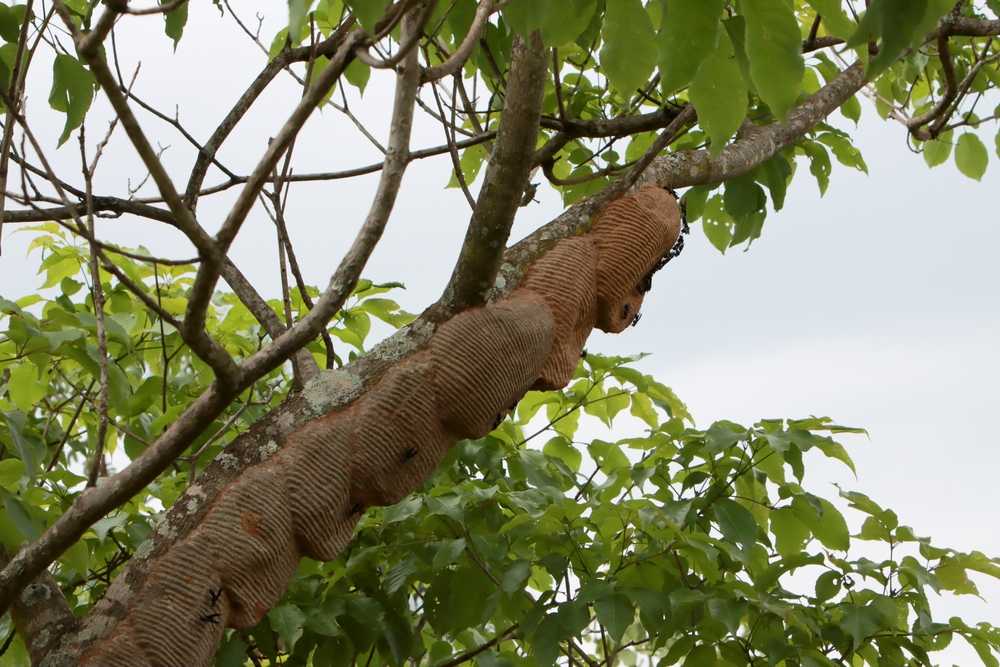
Mud Dauber Nest: How to Safely Handle and Remove It
Have you spotted a mud dauber nest? This comprehensive guide will teach you how to identify, handle, and safely remove these nests from your property. Understanding the different types of mud daubers and their nests is essential for effective management.
Proper identification of mud dauber nests in their various forms allows for targeted and safe removal.
While mud daubers pose minimal threat to humans, their nests can cause property damage and safety concerns, making careful removal necessary. Preventing a mud dauber infestation involves sealing gaps, reducing spider populations—including crab spiders and black widow spiders—and maintaining tidy outdoor spaces.
Identifying Mud Dauber Nests
Mud daubers are solitary wasps that build their nests primarily from mud. Each species creates distinct mud nests with unique shapes and arrangements. These nests are typically found in sheltered locations such as eaves, attics, and garages, where they often go unnoticed. Mud dauber nests appear as either large, round structures or elongated mud tubes. For example, black and yellow mud dauber wasps build rectangular nests composed of multiple cells, while others construct cigar-shaped nests attached to vertical surfaces or crevices.
Common nesting sites include building walls, equipment surfaces, and electric motor housings. These mud nests can cause unsightly damage to property, so recognizing them is important to prevent and control mud dauber infestations.
Types of Mud Daubers and Their Nests
Several mud dauber species exhibit distinct nesting behaviors and structures. The most common types include organ pipe mud daubers, black and yellow mud daubers, and blue mud daubers. Each species builds mud nests in protected areas, showcasing their adaptability.
Understanding these differences helps in detecting and managing their nests effectively.
Organ Pipe Mud Daubers
Named for their tubular, cylindrical nests resembling organ pipes, organ pipe mud daubers construct long, parallel mud tubes in sheltered sites like under eaves, porches, and shaded areas. These pipe organ mud daubers skillfully mold mud to create complex cylindrical nests.
They select nest sites that offer protection from weather and predators, ensuring the safety and development of their offspring. Recognizing these nests near your home is crucial for proper management.
Black and Yellow Mud Daubers
Recognizable by their distinctive black and yellow coloration, black and yellow mud daubers build cigar-shaped mud nests attached to crevices in secluded areas. Each cell within the nest contains an egg and paralyzed prey—usually spiders or other insects—that serve as food for the developing larva.
Adult females gather mud to construct and seal each cell, protecting the larvae inside. This solitary yet industrious behavior highlights the vital role mud daubers play in maintaining ecological balance.
Blue Mud Daubers
Blue mud daubers, with their metallic blue bodies and slender forms, are known for recycling abandoned nests. They build covered, tubular nests in sheltered locations such as eaves, attics, and other protected areas frequented by adult mud daubers.
Their horizontally oriented nests help prevent moisture buildup, providing a safe environment for larvae. Understanding their nesting habits aids in controlling their population and preventing infestations.
Is the Mud Dauber Nest a Threat?
Mud daubers rarely sting unless provoked, but a single sting can cause local reactions, especially in allergic individuals. Multiple stings may lead to more severe symptoms like nausea, dizziness, or seizures, so caution is advised when handling mud dauber nests.
Although mud daubers generally pose little threat to humans, their nests can cause significant problems. For instance, nests in aircraft structures can block critical components such as uncovered pitot tubes, leading to faulty airspeed readings and serious aviation hazards.
Over time, mud nests can also compromise a building’s structural integrity if left untreated. Professional mud dauber nest removal services, like those offered by PURCOR Pest Solutions, can minimize these risks effectively.
Why Consider Mud Dauber Nest Removal?
Mud dauber nests are unsightly and can detract from a building’s appearance, which concerns many homeowners.
More importantly, safety risks arise from nests obstructing vital equipment, as seen in aviation accidents like the crash of Birgenair Flight 301, caused by a cylindrical nest blocking a pitot tube. Improper nest cleaning was also a factor in the Florida Commuter Airlines Flight 65 incident. Removing nests helps prevent such dangerous outcomes, protecting both property and occupants.
Safe Methods for Removing Mud Dauber Nests
Safety is paramount when removing mud dauber nests. Remove nests in the evening when wasps are less active to reduce sting risk. Wearing protective clothing and gloves is essential to prevent stings during removal.
This section covers both DIY nest removal techniques and when to seek professional help.
DIY Nest Removal Techniques
Use a paint scraper to gently remove mud dauber nests without damaging surfaces. Timing is critical—remove nests in the evening when wasps are inactive. For stubborn residue, a soft brush with warm, soapy water can be effective.
Always wear protective gear to avoid stings. While DIY removal can be successful, it requires caution and preparedness to retreat if wasps become aggressive. For more information on how to keep wasps away from your home and deck, consider additional prevention tips.
When to Call Professional Help
If nests are in hard-to-reach locations or if you have allergies to wasp stings, contact a pest control professional. PURCOR Pest Solutions offers specialized mud dauber nest removal services that are safe and thorough.
Professionals ensure complete removal of all life stages—eggs, larvae, pupae, and adult females—reducing the risk of future infestations. Choosing experts helps avoid DIY risks and keeps your home safe and pest-free.
Preventing Mud Dauber Infestations
Prevent infestations by sealing all gaps and cracks in buildings to block entry. Installing vent screens can further deter wasps. Fake wasp nests may discourage mud daubers, as they avoid nesting near other wasp colonies.
Reducing spider populations, especially crab spiders and black widow spiders, decreases available prey and discourages nesting. Natural spider repellents can be part of this strategy. Regularly inspecting outdoor areas and removing old nests also helps prevent new infestations.
Maintaining a clean yard free of debris and clutter deters mud daubers and other pests.
Benefits of Mud Daubers
Despite their intimidating appearance, mud daubers are beneficial. They are solitary and non-aggressive, posing little threat to humans.
Mud daubers naturally control spider populations by capturing and paralyzing spiders to feed their larvae. This biological pest control reduces the need for chemical pesticides and supports a balanced ecosystem.
Professional Pest Management
Controlling mud dauber nests safely requires knowledge and proper techniques. Understanding nest locations and mud dauber species helps develop effective management plans. While mud daubers rarely threaten human safety, their nesting can cause structural damage and hazards.
Prompt action, including professional nest removal, prevents future infestations and protects your property. PURCOR Pest Solutions delivers expert services, giving you peace of mind and a pest-free home.
Frequently Asked Questions
Are mud dauber nests dangerous?
Mud daubers are solitary and non-aggressive, posing minimal threat to humans. However, their nests can cause structural damage and obstruct critical equipment, especially in aircraft.
How can I identify a mud dauber nest?
Look for large circular formations or elongated mud tubes in sheltered spots like eaves, attics, and garages. These distinctive mud nests signal mud dauber presence.
What are the benefits of mud daubers?
Mud daubers provide natural spider control, reducing chemical pesticide use and benefiting your home environment.
When should I contact professionals for mud dauber nest removal?
Seek expert help if nests are inaccessible or if you have allergies to wasp stings. Professionals ensure safe, effective nest extraction.
How can I prevent mud dauber infestations?
Seal gaps and cracks, install vent screens, control spider populations, and regularly inspect and remove old nests to prevent infestations..
"*" indicates required fields
"*" indicates required fields