 Agents Available 24/7
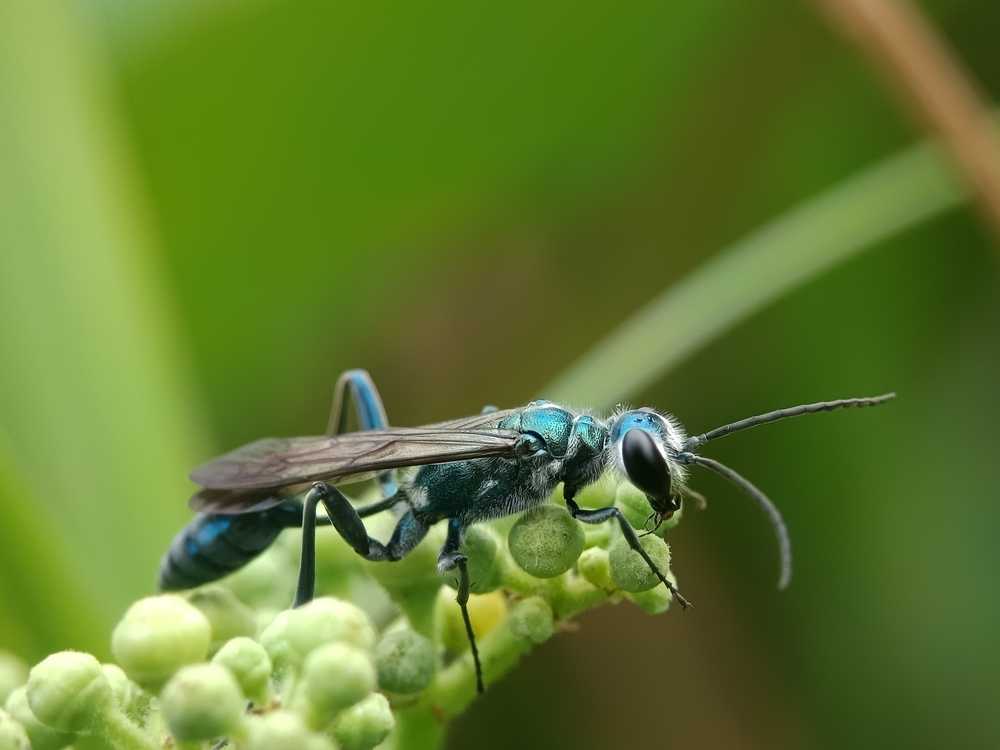
Mud Wasp Nests in Your Garden: Benefits, Risks & What to Do
Mud wasps, commonly known as mud daubers, are solitary wasp species recognized by their narrow waists and distinctive mud-built nests. These insects can play a big role in garden ecosystems by controlling spider populations and may incidentally pollinate while visiting flowers, supporting natural pest management and healthier plants.
Understanding how they live, where they build, and when intervention is appropriate helps you balance their benefits with practical home care.
Understanding Mud Wasps
Mud wasps belong primarily to two related families, Sphecidae and Crabronidae. Unlike social wasps, they operate alone rather than in colonies, constructing and provisioning individual nursery cells for their offspring.
Several species are found across North America, each with a distinctive appearance and characteristic building style. The blue mud wasp often refurbishes older nests built by other daubers, while black-and-yellow mud daubers form smooth, rounded cells. Pipe organ mud daubers create rows of narrow, cylindrical tubes that resemble miniature organ pipes.
You’ll most often find nests in sheltered, weather-protected spots such as eaves, porch ceilings, barn rafters, garage interiors, sheds, and occasionally inside unscreened vents. These areas provide cover from rain and predators and stay warm enough for larvae to develop.
Nest Construction and Site Selection
A female mud wasp starts by locating soft mud near garden edges, irrigation runoff, or low spots after rain. She carries small pellets in her mandibles and builds the nest one layer at a time.
Each chamber is sized for a single offspring and sealed when stocked. Because construction depends on moisture, nest building is most active in warmer months when mud is easy to find.
Surface condition matters. Smooth, well-painted areas are harder for nests to adhere to, while chalky or cracked paint provides better grip. Maintenance and sealing gaps can influence where daubers decide to build.
Life Cycle and Reproduction
The mud wasp life cycle includes four stages: egg, larva, pupa, and adult. After constructing each cell, the female lays one egg on a provision of multiple paralyzed spiders inside. These spiders, often crab spiders and other small species, serve as fresh food for the developing larvae. The larvae consume the spiders entirely before pupating within the nest, with development continuing through summer and winter until adults emerge to begin another breeding cycle.
Mud Wasps and Their Prey
These wasps primarily hunt large numbers of spiders, including black widows, crab spiders, orb weavers, and jumping spiders. By preying on these species, they naturally reduce pest populations in gardens. Their hunting relies on keen vision (and likely some chemical cues), enabling precise capture and paralysis of spiders to preserve them for larval consumption.
Interaction with Humans
Although they are wasps, mud daubers are generally non-aggressive. They do not swarm, and stings are rare unless a wasp is handled or trapped.
Most homeowners can share space with mud daubers without incident. Anyone with a sting allergy should avoid contact and consider professional help for nest management in high-traffic areas.
Benefits of Mud Wasp Nests in Gardens
In most gardens, mud daubers do more good than harm. Their steady hunting pressure helps keep certain spider populations in check.
That natural control can reduce the need for broad pesticide use and support a healthier backyard ecosystem. When nests are tucked away and not interfering with ventilation or daily activities, leaving them alone is often best.
Potential Issues Caused by Mud Dauber Nests
Problems arise when nests are placed where they shouldn’t be. On finished surfaces, drying cells can leave cosmetic staining or residue that becomes harder to remove over time.
In the wrong location—such as an unscreened vent, appliance exhaust, or narrow utility opening—mud cells can partially block airflow. Rebuilding in the same sheltered spot can also become a nuisance near doors or walkways.
While uncommon, mud dauber nests have been implicated in mechanical obstructions beyond residential settings. Routine inspection and maintenance help keep small openings clear.
Removal and Prevention
Before removing any nest, determine whether it’s active. Wear gloves and eye protection, and—if possible—work during cooler hours when adults are less active. Fresh mud appears darker and slightly damp, and daytime traffic of adults entering or leaving suggests ongoing use. Round, clean exit holes on older cells usually mean adults have already emerged.
A sealed nest without activity—especially in cooler weather—is more likely inactive. When removal is appropriate, gently pry away dry, inactive cells and wash residue with warm, soapy water.
Afterward, seal hairline gaps, repaint chalky surfaces, and install fine mesh on vents to discourage rebuilding. Reducing clutter and spider harborages near door lights and storage lowers the prey supply that attracts daubers.
Broad insecticide treatments are generally unnecessary and not recommended for these solitary, beneficial wasps.
When to Seek Professional Help
Consider professional pest control expertise if nests are high above entries, inside vents or difficult cavities, near HVAC equipment, or if there is heavy activity you can’t safely evaluate. A licensed technician can confirm whether cells are active, remove them without damaging finishes, and identify environmental conditions—like chronic overspray or pooling water—that encourage repeat nesting. Households with known sting allergies should also err on the side of caution and consult a professional.
Mud daubers are calm, capable partners in garden health, quietly reducing spider populations and contributing to a balanced landscape. Most of the time, they can be left alone, especially when nests are tucked out of the way. When nests create a nuisance or block small openings, careful removal of inactive cells, followed by simple prevention steps—screening vents, sealing gaps, maintaining paint, and limiting steady mud sources—keeps homes protected while preserving the ecological benefits these wasps provide.
Frequently Asked Questions
PURCOR manages ants, mice, spiders, roaches, rodents, and seasonal invaders across various Florida areas, including Stuart, FL.
How do mud daubers contribute to garden ecosystems?
They reduce pest populations by hunting spiders and other insects and assist with pollination, promoting healthier plants.
Are mud daubers aggressive towards humans?
They are generally non-aggressive and only sting when provoked.
What potential issues do mud dauber nests cause?
Nests can damage building structures and block critical equipment like aircraft pitot tubes.
What services does PURCOR Pest Solutions offer?
They provide comprehensive pest control, termite management, and post-infestation cleanup for residential and commercial properties in Vancouver, WA. PURCOR Pest Solutions also includes Pioneer Pest Management, serving Washington and Oregon.
"*" indicates required fields
"*" indicates required fields