 Agents Available 24/7
How to Safely Live with a Paper Wasp Nest in Your Yard
If you’ve discovered what seems to be a paper wasp nest in your yard, it’s important to know how to identify it and decide on the best course of action. In this article, we’ll cover identifying paper wasp nests, their lifecycle, potential dangers, benefits, prevention, safe removal, and when to call a pest control professional.
- Identifying paper wasp nests is crucial for coexistence, as nests typically resemble inverted umbrellas and are commonly found in sheltered nesting sites.
- While paper wasps can pose some risks including painful wasp stings or allergic reactions, they also play important ecological roles as beneficial insects and pest controllers.
- Preventative measures, such as sealing entry points and maintaining yard cleanliness, can reduce the likelihood of wasps nesting. For larger nests or if allergies are a concern, professional help should be sought.
Identifying a Paper Wasp Nest
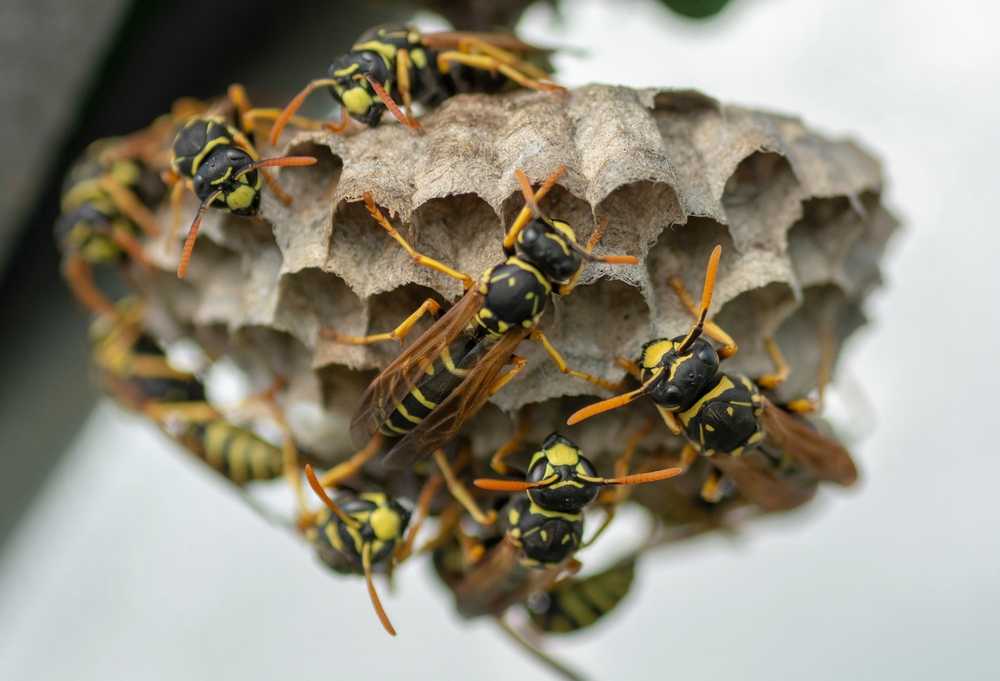
Identifying paper wasp nests is the first step in safely coexisting with these insects. Paper wasps build nests that often appear gray and have a papery material texture, resembling inverted umbrellas. These nests are typically constructed from chewed wood fibers mixed with saliva, forming hexagonal cells that house their larvae and eggs.
Common locations for paper wasp nests include under eaves, tree branches, wall voids, and other sheltered areas like porches. If you notice frequent wasp activity or hear buzzing noises, it may indicate the presence of a nearby nest. Additionally, signs of chewed wood around your property can suggest that wasps are using this nesting material for nest construction.
Identifying a hornet nest is crucial because it helps determine whether professional pest control attention is needed. If you come across a ball of papery material or a nest with a prominent hexagonal pattern, such as those built by European hornets, it might be time to consider expert help.
The Lifecycle of Paper Wasps
Understanding the life cycle of paper wasps can provide valuable insights into their behavior and how best to manage their presence. Fertilized queens overwinter in protected spaces such as tree bark or cracks and crevices. Overwintering queen paper wasps emerge from dormancy in early spring, typically early March, marking the start of the growing season.
In early spring, mated queens initiate nests using a mix of saliva and plant fibers. The life cycle of paper wasps includes distinct roles: queens, worker wasps, and males, each serving unique purposes within the colony. Once worker wasps emerge from their cells, they take over the duties of nest construction and feeding.
The nests of paper wasps can vary significantly in size, containing anywhere from a few cells up to over 400 hexagonal cells, depending on the species. Males are the last to be raised in the colony and exist solely for mating with new queens. Female paper wasps often reuse an old nest from the previous year, especially in spring when they begin to lay their own eggs.
By understanding their life cycle, we can better appreciate the complexity of their colonies and make informed decisions about managing their nests.
Are Paper Wasp Nests Dangerous?
The presence of paper wasp nests in your yard can be a cause for concern, especially when considering the potential dangers. Paper wasps can be aggressive if their nests are disturbed, posing a risk to anyone nearby. Their wasp stings are often painful but generally result in mild and temporary effects.
However, the health risks from paper wasp stings can be more severe for some individuals. These risks include severe pain, swelling, allergic reactions, and, in rare cases, potential death. For individuals at risk of severe allergic reactions, carrying a prescribed epinephrine autoinjector is advisable. Venom immunotherapy may also help safeguard against serious allergic responses after a wasp sting.
Understanding the potential dangers of paper wasp nests is essential for making informed decisions about their management. Balancing safety and coexistence becomes easier when you recognize the risks and take appropriate precautions.
Benefits of Paper Wasps
While paper wasps can pose certain risks, they also offer significant ecological benefits. Wasps play a crucial role in maintaining ecological balance by controlling populations of various pests. They prey on insects like caterpillars, beetle larvae, flies, and other wasps, which can harm crops, thus contributing to pest control. Without wasps, the population of many harmful insects would rise, negatively impacting agricultural productivity.
Certain plant species and other species rely exclusively on wasp species for their pollination, highlighting their importance in the ecosystem. Adult wasps switch to a carbohydrate-rich diet, making them effective pollinators as they seek nectar.
The dual roles of paper wasps as pest controllers and pollinators illustrate their significant contribution to agriculture and biodiversity. Recognizing these beneficial insects can help us appreciate their presence and make more informed decisions about managing their nests.
How to Prevent Paper Wasp Nests
Preventing paper wasps from building nests around your home involves a combination of proactive measures and regular maintenance. Here are some steps you can take:
- Seal entry points (vents, screens, window cracks, and wall voids) to help keep paper wasps away.
- Identify attractions, like wood piles or food sources, around your home that may encourage wasps to gather nesting material.
- Consider seeking expert help if you notice an increased risk of wasp nests or discover two nests or more in the same spot or new location.
Maintaining your yard by trimming trees and clearing debris can discourage wasps from nesting nearby. Using wasp traps, especially in early spring during the growing season, can effectively disrupt the pheromone trails of paper wasps, making your home less appealing to them.
Additionally, planting citronella and eucalyptus around your home can help repel paper wasps. Essential oils, such as eucalyptus or peppermint, can serve as natural deterrents when sprayed around potential nesting sites. Regularly inspecting areas where wasps typically build nests, such as eaves and attics, can help catch any signs of activity early.
By implementing these preventive measures, you can significantly reduce the likelihood of paper wasps building nests around your home. However, if a nest does appear, knowing how to safely remove it is essential.
Safe Removal of Paper Wasp Nests
When it comes to safely removing paper wasp nests, it’s crucial to take the right approach to avoid provoking aggressive behavior. Using wasp traps or homemade traps are effective methods for reducing paper wasp populations. Setting out wasp traps in early spring can yield the best results.
Avoid attempting to burn an active wasp nest. Doing so may trigger aggressive behavior from the wasps. For large or hard-to-reach nests, especially those in wall voids or large nests, hiring a pest control professional is recommended for safe removal.
When to Call a Professional
Knowing when to call a professional pest control service is crucial for safely managing wasp nests. If a nest is larger than a fist or an inch long in any dimension, it is advisable to seek help from a pest control professional. Individuals with allergies to stinging insects, such as honey bees or wasps, should not attempt to remove nests themselves.
Uncertainty about the type of stinging insect can increase risks, making it wise to call an expert for assistance. Professional pest control services can provide safe and effective removal of wasp nests and implement preventative measures against future infestations.
Understanding when to call a professional pest control service is crucial for safely managing wasp nests.
Additional Tips for Coexisting with Paper Wasps
- Observe from a distance: If the nest is not in a high-traffic area, consider leaving it alone and observing from a safe distance. Paper wasps are generally not aggressive unless provoked.
- Educate family members: Make sure all family members, especially children, understand the importance of not disturbing the nest.
- Provide alternative nesting sites: You can encourage paper wasps to build nests away from your home by placing wooden structures or untreated wood in your garden.
- Use natural repellents: Besides citronella and eucalyptus, planting herbs like mint, thyme, or wormwood can help deter paper wasps.
- Encourage natural predators: Birds such as scrub jays and other insectivores feed on paper wasps and their larvae, helping to keep their population in check.
Paper Wasps vs. Other Wasps
It’s helpful to differentiate paper wasps from other types of wasps and hornets. Paper wasps are typically slender with long legs that dangle during flight and build open, single-layer nests. In contrast, yellow jackets have stockier bodies and build enclosed nests often underground or in wall voids. European hornets are larger and build enclosed papery nests that can be mistaken for paper wasp nests.
Knowing these differences can help you decide the best approach to managing wasps on your property.
Environmental Considerations
Before removing a paper wasp nest, consider its ecological value. Paper wasps are beneficial insects that contribute to natural pest control and pollination. Removing nests indiscriminately can disrupt local ecosystems. If the nest is not posing a risk, consider coexisting peacefully or relocating the nest with professional help.
Safely living with a paper wasp nest in your yard involves understanding how to identify nests, recognizing their life cycle, assessing potential dangers, and appreciating their ecological benefits. Preventive measures and safe removal techniques are essential for managing their presence effectively.
By following these guidelines, you can strike a balance between coexisting with paper wasps and ensuring the safety of your family. Remember, professional help is always available for safe and effective management of wasp nests. Embrace the balance of nature and take informed actions to maintain a harmonious outdoor environment.
Frequently Asked Questions
How can I identify a paper wasp nest?
To identify a paper wasp nest, look for gray, papery structures resembling inverted umbrellas, commonly located under eaves, tree branches, or wall voids. Additionally, observe for signs of wasp activity and chewed wood, indicating proximity to the nest.
What should I do if I find a paper wasp nest in my yard?
If you encounter a paper wasp nest, it is advisable to manage small and accessible nests with traps or natural repellents. For larger or difficult-to-reach nests, hiring a pest control professional is the most prudent option.
Are paper wasps beneficial to the environment?
Yes, paper wasps are beneficial to the environment as they control pest populations by preying on caterpillars, beetle larvae, flies, and other wasps, and assist in the pollination of certain plants, contributing to ecological balance and agricultural productivity.
How can I prevent paper wasps from building nests around my home?
To effectively prevent paper wasps from nesting around your home, seal all entry points including vents and wall voids, utilize wasp traps during the growing season, and plant repellent flora such as citronella and eucalyptus. Regular inspections of potential nesting sites will further enhance your preventative efforts.
When should I call a professional for wasp nest removal?
You should call a professional for wasp nest removal if the nest is larger than a fist or an inch long, if you have allergies to stinging insects such as honey bees or wasps, or if you are uncertain about the type of insect involved. Prioritizing your safety is crucial in these situations.
"*" indicates required fields
"*" indicates required fields