 Agents Available 24/7
Red Velvet Ant: Facts & Myths About the “Cow Killer”
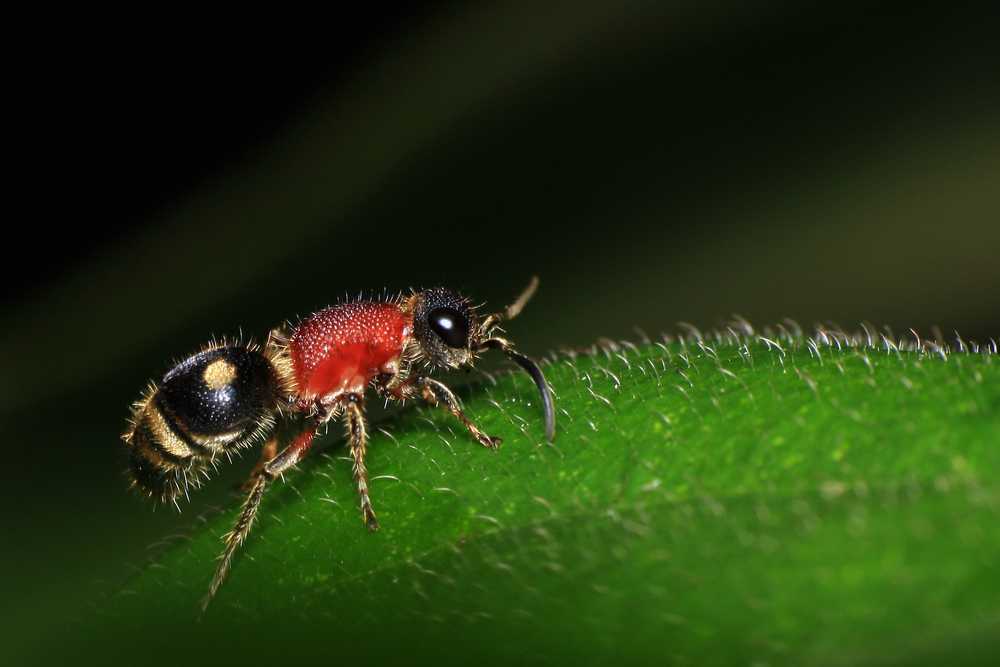
Red velvet ants, scientifically known as Dasymutilla occidentalis and commonly called the eastern velvet ant, are actually wasps famous for their intense, painful sting. Despite their name and ant-like appearance, these insects belong to the wasp family and are notable for their bright red velvet coloration and unique behaviors. This article explores their description, behavior, ecological role, and the truth behind their intimidating nickname.
- Dasymutilla occidentalis are wasps recognized for their striking red velvet appearance and painful sting, which earned them the nickname ‘cow killer.’
- These insects exhibit sexual dimorphism: females are wingless and covered in vibrant hair, while winged males lack a sting, aiding in identification.
- They play an important ecological role as parasites of ground-nesting bees and wasps, while also serving as prey, contributing to animal diversity web and ecosystem balance.
Identifying These Insects
Their description is commonly mistaken for an ant due to the wingless female form and vivid coloration. Females display dense red or orange hair covering the dorsal surface of their thorax and abdomen, while males have wings but no sting. At approximately 0.75 inches (1.9 cm), they are among the largest velvet ant species in the eastern United States.
What Are They?
Despite their name, these creatures are wasp species. Females seek out nesting chambers of ground-nesting bees and other insects to lay their eggs. The larvae then develop by consuming the host larva through several larval stages prior to pupation. This parasitic behavior helps regulate populations of large ground nesting members of bees and wasps.
The nickname ‘cow killer’ reflects the painful sting females deliver, ranked high on Schmidt’s sting pain index. While the sting is intense, it is not lethal to large animals.
Appearance and Behavior
Females are wingless with dense red or orange hair, serving as a warning coloration to predators. Males are winged but lack a sting. Both males and females produce female stridulation sounds as an auditory defense mechanism. These insects are commonly found crawling on dry, sandy ground during warmer months, where they parasitize ground-nesting bees.
Distribution
These insects are primarily found throughout the eastern United States, especially in dry, open habitats such as fields, meadows, and sandy areas. These environments provide suitable nesting chambers for their host species and support their parasitic lifestyle.
Life Cycle and Reproduction
They undergo complete metamorphosis with distinct egg, larval, pupal, and adult stages. Females seek nesting chambers of host species to deposit eggs. The immature velvet ant hatches and consumes the host larva through several larval stages before pupation. Females usually mate once and have a solitary lifestyle typical of most wasp species.
Ecological Role
The ecology of Dasymutilla occidentalis plays is significant role, as these wasps act as parasites controlling populations of ground-nesting bees and wasps. They also serve as prey for various predators, although their tough exoskeleton and painful sting offer strong defense.
Defense Mechanisms
Defense Dasymutilla species employ multiple strategies, including a painful sting, rapid movement, tough exoskeleton, bright aposematic coloration, and stridulatory warning sounds. Both males and females produce female stridulation sounds to warn predators, enhancing their survival.
Professional Pest Control Solutions
Managing infestations can be challenging due to their painful sting and resilience. Professional pest control services offer effective and environmentally responsible treatments, ensuring safety for families and pets while controlling the population.
Dasymutilla occidentalis is a wasp species with a striking appearance, painful sting, and important ecological role as a parasite and prey. Understanding their behavior, distribution, and life cycle helps appreciate their place in nature and manage encounters safely.
Frequently Asked Questions
Where do they live?
They inhabit dry, sunny, sandy areas with abundant ground-nesting bees and wasps, such as fields, meadows, and lawns.
What to do if stung?
Remove the stinger promptly to minimize venom spread, clean the area with soap and water, apply ice, and use over-the-counter remedies like Benadryl or hydrocortisone ointment to reduce swelling and pain.
What are they?
They are wasp species (Dasymutilla occidentalis) known for bright red velvet hair and painful sting.
Why are they called ‘cow killers’?
The name comes from the extremely painful sting of the female, which is strong enough to earn the nickname, although it is not lethal to cows or large animals.
How can I manage an infestation?
Professional pest control services are recommended for safe and effective management, ensuring minimal environmental impact.
"*" indicates required fields
"*" indicates required fields