 Agents Available 24/7
Identifying Termite Droppings: Key Signs to Watch For
Have you noticed tiny, pellet-like termite droppings and wonder if they’re from termites? This article explains how to identify termite droppings and what to do next to protect your pest-free home.
- Termite droppings, or frass, indicate active termite infestations and come in distinct forms depending on the termite species, serving as early signs for intervention.
- Different termite species produce unique droppings, such as drywood termite pellets and subterranean termite mud tubes, which help in identifying the type of infestation.
- Regular inspections and preventive measures, including moisture control and sealing entry points, are essential for protecting homes from termite damage.
What Are Termite Droppings?
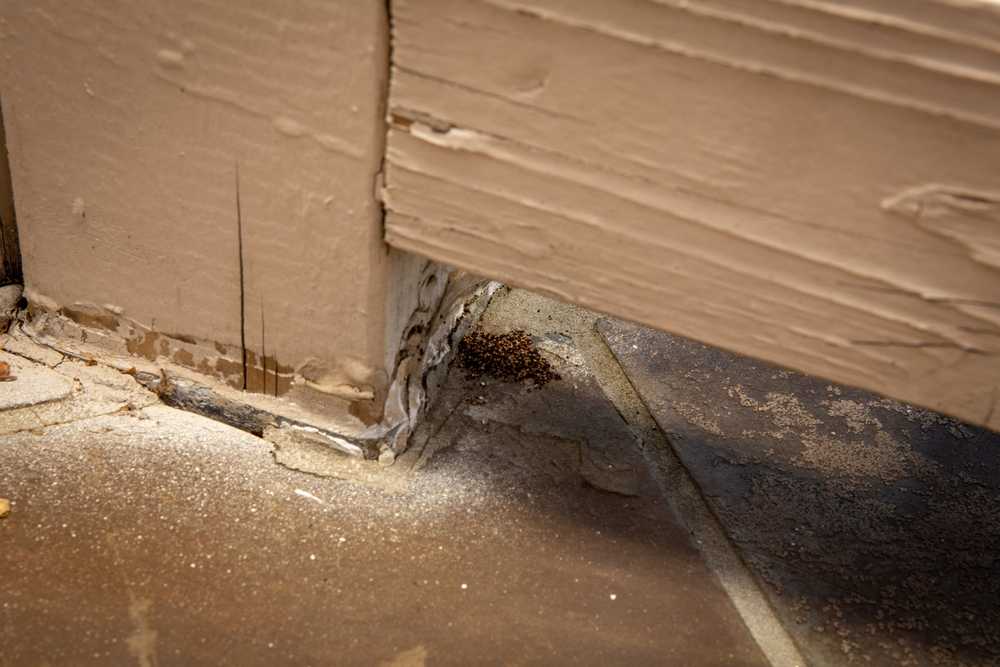
Termite poop, technically known as frass, is tiny fecal pellets expelled by termites to keep their nests clean and tidy. Spotting these droppings early indicates a termite infestation, often found near infested wood. These droppings are typically small pellets, varying in color from light tan to dark brown based on the termites’ diet, and can resemble sawdust or coffee grounds.
Unlike sawdust, which consists of thin shavings, termite frass is pellet-like and often hexagonal in shape. Correctly identifying termite droppings prevents confusion with sawdust and carpenter ants debris, allowing for timely intervention. These droppings are usually found in piles on floors, in wall cracks, or under carpets, signaling active termite feeding. Both old and new droppings in a given location indicate ongoing termite activity, necessitating prompt attention.
Recognizing the characteristics of termite droppings aids early detection, potentially saving you from extensive termite damage and costly repairs. Recognizing frass as one of the earliest signs of a termite issue leads to quicker intervention and more effective termite control. If you notice these telltale signs, it’s time to take action and investigate further.
Characteristics of Different Termite Droppings
Different termite species produce distinct droppings that can help in identifying the type of infestation you are dealing with. For instance, drywood termite frass appears as small, oval pellets, while subterranean termite frass is typically liquid and less visible, often mixed with mud. Understanding these differences is key to implementing the correct treatment and control methods.
Drywood Termite Pellets
Drywood termite droppings are distinct in their appearance and are often found in small piles near infested wood. The droppings are hard-textured and ridged. They resemble tiny grains of sand or sawdust. These mysterious piles often appear near window sills or in attics, along with small exit holes (kick out holes) used by drywood termites to expel their frass.
These pellet-shaped droppings clearly indicate a drywood termite infestation. Unlike subterranean termites, drywood termites live inside the wood they consume, leading to significant termite damage if left untreated. Early identification of these distinct droppings prevents extensive damage and ensures timely termite control.
Subterranean Termite Signs
Unlike their drywood counterparts, subterranean termites leave behind less visible droppings. Their frass is usually mixed into mud tunnels or tubes constructed for protection and moisture retention. These mud tubes are often found along foundation walls and are a common sign of subterranean termite activity.
Subterranean termite droppings are typically below ground level or inside wood structures, making them less noticeable. Spotting mud tubes around your home’s foundation strongly indicates a subterranean termite infestation. Promptly addressing these signs prevents further termite damage and protects your home from destructive pests.
Other Indicators of Termite Activity
In addition to termite droppings, there are several other signs of termite activity that homeowners should be aware of. A key sign is hollow-sounding wood, resulting from termites consuming wood from the inside out, leaving a thin surface veneer.
Discarded wings, especially near windows or doors, indicate winged termites have swarmed and established new colonies. Mud tubes are a strong indicator of subterranean termite activity, as these insects use these tunnels to travel between their nest and food sources.
Accumulated drywood termite droppings can form small mounds resembling salt or pepper, signaling an infestation. Recognizing these signs aids early identification of termite problems and facilitates necessary action to prevent significant termite damage.
Risks Associated with Termite Droppings
Termite droppings pose several risks, especially to individuals with allergies or asthma. Allergic individuals may experience respiratory issues when exposed to termite droppings, and frass can worsen indoor air quality, exacerbating breathing difficulties and allergies. Mold growth from termite infestations can also cause respiratory issues and allergic reactions.
Beyond health risks, termite droppings dangerously indicate structural wood damage. Termites consume wood, leading to warped wood, buckling paint, and small holes in wood surfaces. Left untreated, termites can cause significant termite damage over time, compromising your home’s integrity. Timely professional intervention prevents further degradation and ensures your property remains safe.
Preventing Termite Infestations
Preventing termite infestations starts with regular inspections by licensed pest control professionals for early detection. Detecting termite droppings early prevents costly repairs from severe termite damage. Keeping humidity levels below 30-50% in basements and attics is crucial for termite prevention.
Proper drainage systems should direct water away from the foundation to minimize termite risk. Fixing leaks and ensuring proper ventilation addresses moisture issues around the house, reducing moist environments attractive to termites. Sealing small cracks and gaps in the foundation and walls blocks termite entry points. Utilizing treated wood and soil treatments serves as an effective preventive measure against termites.
Effective Termite Control Methods
Prompt identification and treatment of termite infestations minimize potential health risks and structural damage. DIY pest control methods often fail to eradicate termites completely, leading to ongoing property damage.
Termite Bait Stations
Termite bait stations effectively control termite infestations. Strategically installed in the soil, these stations attract termites, which then share the bait with their colony. The bait is composed of a cellulose-based material mixed with a slow-acting insecticide, ensuring that termites consume it and bring it back to their nest.
By attracting and poisoning termites, bait stations reduce termite populations and prevent further termite damage to your home. Regular monitoring and maintenance of these stations are essential for long-term control and complete eradication of the colony.
Fumigation and Tenting
Fumigation and tenting are used for severe and widespread termite infestations, requiring comprehensive treatment. This eco friendly process involves enclosing a building in a tent and fumigating the space with a gas that kills termites. This method ensures that all termites, including those hidden deep within the structure, are eradicated.
While highly effective, fumigation requires professional intervention and proper safety measures. Complete sealing of the property and adherence to all guidelines during fumigation are crucial for treatment success.
When to Contact Professionals
Contacting professionals for termite control at the right time prevents significant termite damage. Termite wings found near windows or doors indicate a swarm, suggesting an active infestation needing immediate attention. Untreated termite droppings can lead to significant damage, with termites potentially hidden inside walls for a long time.
Professional exterminators have the experience and tools to effectively eliminate termite infestations. DIY methods are not advisable as they often fail to address the root of the termite problem.
Identifying termite droppings early is crucial in preventing extensive termite damage to your home. By understanding the characteristics of different termite species’ droppings, you can detect infestations early and take appropriate action. Regular inspections, moisture control, and sealing entry points are essential preventive measures to keep your home termite free.
For effective termite control, calling a professional is often necessary. Methods like termite bait stations and fumigation ensure comprehensive treatment, protecting your home from these destructive insects.
Frequently Asked Questions
What are the signs of a termite infestation?
The signs of a termite infestation include visible termite droppings, hollow-sounding wood, discarded wings, and the presence of mud tubes. If you notice any of these indicators, it’s essential to take immediate action.
How can I distinguish termite droppings from sawdust?
To distinguish termite droppings from sawdust, look for the pellet-like, hexagonal shape of the droppings, unlike the thin, irregular shavings of sawdust. This clear difference can help you identify the presence of termites.
What health risks are associated with termite droppings?
Exposure to termite droppings can lead to respiratory problems and skin irritations, particularly in those with allergies or asthma. It is important to address potential infestations promptly to minimize health risks.
How often should I have my home inspected for termites?
It’s recommended to have your home inspected for termites annually by a licensed professional to ensure early detection of potential infestations. Regular inspections can save you from costly damage in the long run.
What termite control methods are available?
Termite bait stations and fumigation are effective control methods that should be handled by professionals to ensure optimal results. It’s essential to engage expert services for these treatments.
"*" indicates required fields
"*" indicates required fields