 Agents Available 24/7
Top 10 Warning Signs of Termites in House and How to Deal with Them
Concerned about termites in the house? Identifying early signs can help you avoid serious termite damage.
- Early detection of termite infestation in house is the first sign to prevent extensive damage and costly repairs.
- Understanding the types of termites, such as subterranean termites and drywood termites, helps in effectively addressing termite activity in the house.
- Professional pest control services provide advanced termite inspection and treatment methods, ensuring comprehensive termite control for your house.
Identifying Termite Infestations
The first step in battling a termite infestation in the house is recognizing the early warning signs. Flying termites, also known as swarmer termites, are one of the most obvious indicators. These winged insects appear when termites swarm in large groups to establish new colonies. Spotting them inside or outside your home is a clear sign that a termite colony is nearby. Additionally, you might find discarded wings around your home’s foundation or interior. These wings are shed by swarming termites after they mate, indicating that a new colony is being established. Worker termites play a crucial role in maintaining the structure of the colony.
Termite droppings, or frass, are another telltale sign. These tiny, wood-colored pellets, often resembling a dark powdery substance, are frequently found near exposed wood or wooden structures and indicate the presence of drywood termites. Unlike subterranean termites, which build mud tubes to travel between their nests and food sources, drywood termites live inside the wood they consume. Therefore, spotting frass is a strong indicator of an active infestation within your home’s structural wood.
Mud tubes are a common sign of subterranean termites. These pencil-sized tunnels made of soil and termite droppings serve as protected pathways for termite soldiers and worker termites to travel between their colony and food sources. If you come across these tubes along your foundation walls or other areas, it’s a clear sign that subterranean termites are active and should be addressed immediately.
Types of Termites in Homes
Understanding the different types of termites that can infest your house is crucial for effective termite control. The two main types are subterranean termites and drywood termites. Subterranean termites are notorious for their extensive underground colonies. They build intricate tunnel systems to access above-ground food sources, such as the wooden structures of your house. These termites are particularly attracted to moisture-damaged wood, making homes with leaks or poor drainage prime targets.
On the other hand, drywood termites do not require contact with soil and primarily inhabit wooden structures. They are often identified by the presence of tiny holes and small piles of termite droppings (frass) within the wood they infest. Unlike subterranean termites, drywood termites live entirely within the wood they consume, making them harder to detect until significant damage has occurred.
Dampwood termites are another termite species, though less common in houses. They thrive in moist wood and are often found in decaying wood or areas with high humidity. Recognizing the specific type of termite infesting your house can help in choosing the most effective treatment method and preventative measures.
Common Areas for Termite Activity
Termites can be found in various parts of a house, but some areas are more prone to infestations than others. Subterranean termites typically reside underground and gain access to houses by building mud tubes along foundation walls or door frames. These tubes not only protect termites from predators but also retain the moisture they need to survive.
Inside the house, termites commonly infest walls, floors, ceilings, and crawl spaces, especially those made of wood. Crawl spaces are also a hotspot for termite activity due to their dark, damp conditions, which are ideal for termite colonies.
Termites feed on cellulose in wood or mulch and various food sources, making wooden structures particularly vulnerable. Knowing these common areas for termite activity helps homeowners conduct regular inspections and implement preventative measures to safeguard their houses.
Signs of Termite Damage
Detecting termite damage early can prevent extensive repairs. One of the most noticeable signs is the presence of mud tubes, which are used by subterranean termites to travel between their nest and food sources. These tubes can often be found on foundation walls, door frames, or other structural elements of your house.
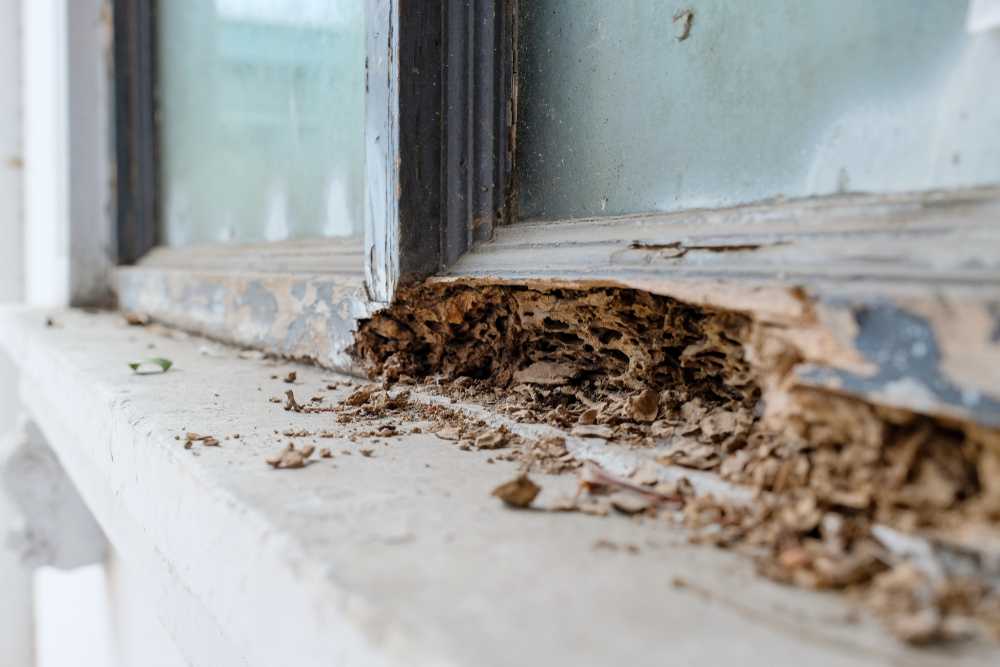
Another clear sign of termite activity is bubbling or peeling paint. This can indicate that termites are tunneling through the wood behind the paint, causing it to lift and bubble. Wood that sounds hollow when tapped is another red flag. Termites chew through wood, creating tunnels that weaken the structure and give it a hollow sound when tapped.
Tiny pinholes or small holes in drywall and small piles of termite droppings in various areas of the house can also suggest termite activity. Regular inspections are critical to catch these signs early and prevent further damage.
Importance of Early Detection
Early detection of termite infestation in house minimizes damage and repair costs. Severe termite damage can lead to structural weakening, and in extreme cases, entire houses have collapsed. Swift action upon spotting termites can avert extensive structural damage and costly repairs.
Consistent inspections and early detection greatly reduce the impact of termite infestations. Annual inspections help maintain ongoing termite protection and address colonies before they cause significant damage. Investing in professional pest control services can also provide comprehensive solutions that are often more effective than DIY methods.
Early detection facilitates effective resolution of termite issues, minimizing damage and ensuring your house’s safety and stability. Consulting a professional exterminator promptly can help manage and prevent extensive termite damage.
How to Prevent a Termite Infestation
Several proactive preventative measures can help avoid a termite infestation in house.
- Termites are attracted to areas with excessive moisture, such as those caused by overflowing gutters.
- Keeping the soil around the foundation dry helps reduce moisture.
- Fixing leaks ensures proper drainage to prevent termite infestations.
Sealing cracks in the foundation and around utility entry points can reduce termite access. Utility pipes that penetrate foundation walls are potential entry points for termites, especially if there is leaking plumbing.
Wood chips and mulch near the foundation can attract termites by providing both food and moisture. Keeping firewood and wood debris away from the house can help avoid attracting termites. Firewood should be stored away from the house and up off the ground to prevent termites from using it as a food source.
DIY vs. Professional
Homeowners often choose between DIY methods and professional services for termite control. DIY techniques, though tempting due to lower costs, often lack the specialized knowledge and equipment needed for effective termite infestation treatment. Professional pest control services provide access to advanced treatment methods that are not available to DIY efforts.
Opting for professional pest control over DIY methods can save homeowners time, money, and the hassle of recurrent infestations. It’s a worthwhile investment in the long-term protection of your house.
Professional Termite Services
Hiring a professional pest control company for termite inspection can save time and ensure thorough treatments. Professionals have access to advanced equipment and products that are not available to the general public, allowing for more effective inspections and treatments. They are trained to identify current signs of termites and implement prevention solutions, ensuring comprehensive protection.
Professional services typically include warranties or guarantees, offering homeowners peace of mind regarding effective termite problem resolution. If termite activity is suspected, a professional inspection is recommended to accurately assess and address the situation.
Identifying and addressing termite infestations early is crucial to protecting your house from significant damage. Recognizing the signs of termite activity, understanding the different types of termites, and knowing where to look for them can help in early detection and prevention. Regular inspections and professional pest control services are essential in managing and preventing infestations.
Taking proactive measures to prevent termite activity, such as maintaining dry soil, fixing leaks, and storing firewood properly, can go a long way in safeguarding your house. By following these guidelines and seeking professional help when needed, homeowners can effectively protect their houses from the destructive nature of termites.
Frequently Asked Questions
What are the early warning signs of a termite infestation?
Early warning signs of a termite infestation in house include the presence of flying termites, discarded wings, termite droppings, and mud tubes. If you notice any of these signs, it is crucial to take action immediately to prevent further damage.
What types of termites commonly infest homes?
Subterranean termites and drywood termites are the two main types that commonly infest houses. It’s crucial to identify these pests early to prevent significant damage.
How can I prevent a termite infestation?
To prevent a termite infestation in house, ensure the soil around your foundation stays dry, repair any leaks, seal cracks, and store firewood away from your house. Taking these preventative measures significantly reduces the risk of termites entering your property.
Should I choose DIY methods or professional pest control for termites?
Choosing professional pest control for termites in house is advisable, as they offer effective treatment and expert knowledge that DIY methods usually lack.
What should I do if I suspect termite activity in my home?
If you suspect termite activity in your house, it’s crucial to call a professional pest control company immediately and look for live termites or mud tubes around your home. Prompt action can prevent extensive damage.
"*" indicates required fields
"*" indicates required fields