 Agents Available 24/7
Why Do Mosquito Bites Itch? Causes and Effective Relief
Mosquito bites itch because the insect’s saliva, injected into your skin, triggers an immune response. This leads to swelling and the familiar itchy sensation. In this article, we’ll delve into the science behind “why do mosquito bites itch,” explore the severity of reactions, and share tips for relief.
- Female mosquitoes bite humans to obtain protein from blood, which is essential for their egg production.
- The itchiness from mosquito bites is due to an immune response to saliva proteins, particularly involving histamine release.
- Preventive measures such as using insect repellent, wearing protective clothing like long-sleeved shirts and long pants, and managing standing water are crucial to reduce mosquito bites.
The Science Behind Mosquito Bites
Female mosquitoes have a unique and somewhat sinister reason for biting humans: they need the protein found in our blood to produce eggs. While both male and female mosquitoes feed on nectar and plant juices, it’s only female mosquitoes that seek out our blood, making them the culprits behind those itchy mosquito bites.
When a female mosquito bites, she uses a specialized mouthpart called a proboscis to pierce the skin. This proboscis is not just a simple needle; it’s a complex tool that allows the mosquito to find a blood vessel and begin feeding. As she sucks blood, she simultaneously injects saliva into the bloodstream. This saliva contains anticoagulants to prevent the blood from clotting, ensuring a smooth meal.
The process doesn’t end there. The mosquito’s saliva also contains proteins that can provoke an immune response in humans. This is why we experience raised red bumps and irritation at the site of the bite. Understanding this process is the first step in comprehending why mosquito bites itch so intensely.
Why Do Mosquito Bites Itch?
The itchiness of mosquito bites is primarily due to the immune system’s reaction to the proteins in mosquito saliva. When a mosquito bites, her saliva, which contains these proteins, is injected into the skin. This triggers the release of histamine, a compound in the body that plays a crucial role in the immune response.
Histamine causes the blood vessels around the bite to swell and also stimulates nerves in the skin, leading to that familiar itchy sensation. This is the body’s way of alerting us to the presence of a foreign substance. The skin’s neurosensory system is activated, making the bite site particularly sensitive and itchy.
Most people have some level of allergic reaction to mosquito bites, which makes mosquito bites itch and can heighten the reaction. Factors such as IgE-mediated hypersensitivity and non-histaminergic itch mediators also contribute to the intensity of the itching. This explains why some individuals might find mosquito bites more bothersome than others, especially those with a mosquito allergy and mosquito bite allergy.
Factors Influencing Mosquito Bite Severity
Not all mosquito bites are created equal. The severity of reactions to mosquito bites can vary significantly from person to person, and genetics play a significant role in this variation. Research has identified multiple genetic variants that influence the size of welts and the intensity of itching caused by mosquito bites.
Genetics aren’t the only factor at play. Individuals with certain immune disorders, such as HIV, may experience more severe reactions characterized by pruritic erythematous papules and plaques. These exaggerated responses can make mosquito bites particularly uncomfortable.
Interestingly, women tend to report larger welts and more intense itching from mosquito bites compared to men. This difference could be attributed to hormonal or immune system variations between genders.
The severity of mosquito bite reactions is influenced by a combination of genetic factors, immune system responses, and individual health conditions.
Common Symptoms of Mosquito Bites
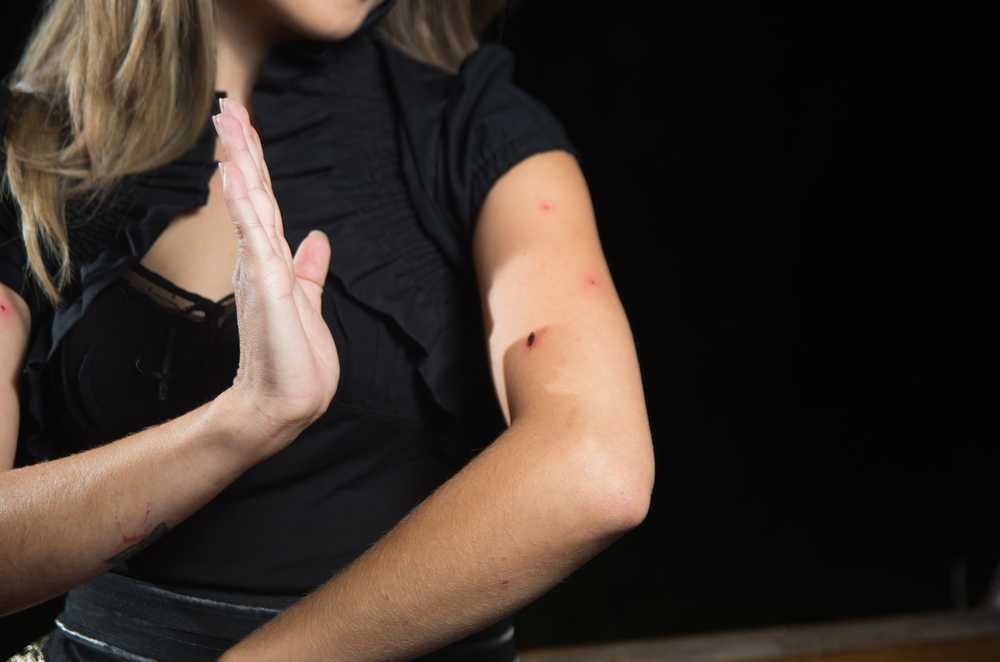
After being bitten by a mosquito, the most common symptom is the development of a swollen, reddish bump within minutes. This bump is often accompanied by intense itching, making mosquito bites and bug bites a real nuisance.
In some cases, individuals may notice multiple itchy, reddish-brown bumps appearing a day after being bitten by bug bites. These bumps can be particularly bothersome and may persist for several days.
For others, mosquito bites can lead to the formation of small blisters instead of bumps. These blisters can be painful and take longer to heal, adding to the discomfort caused by the bite.
Severe responses to mosquito bites and insect bites include significant swelling, redness, low-grade fever, or even hives. These mosquito bite symptoms can be alarming and may require medical attention if they persist.
Infected mosquito bites are another concern. Signs of bacterial infection include increased redness, warmth, pus, or the development of a red streak extending from the bite site. Skeeter syndrome, characterized by a local area of redness and warmth accompanied by fever, is another severe response to mosquito bites.
Preventing Mosquito Bites
Preventing mosquito bites is the best way to avoid the discomfort and potential health risks associated with them. One of the most effective methods is using EPA-registered mosquito repellent insect repellents containing active ingredients like DEET, Picaridin, or oil of lemon eucalyptus.
Wearing loosely fitting, long-sleeved shirts and long pants can also help reduce the risk to prevent mosquito bites. For even more protection, consider clothing treated with permethrin, which remains effective at repelling mosquitoes even after several washes.
Using mosquito netting while sleeping or resting outdoors adds an extra layer of defense, especially in areas with high mosquito populations.
Controlling mosquito populations around your home is another critical step. Eliminating standing water in containers like birdbaths, flowerpots, and children’s pools can significantly reduce mosquito breeding sites.
Installing window screens on doors and windows can keep mosquitoes from entering your home, providing a safe indoor environment free from these pesky insects.
Effective Treatments for Itchy Mosquito Bites
When mosquito bites do occur, there are several effective treatments to relieve the itchiness and discomfort. Over-the-counter treatments such as antihistamine creams and topical steroids are often recommended. These medications can help reduce swelling and relieve pruritus associated with mosquito bites.
Home remedies can also be effective. A paste made from baking soda and water, when applied to the affected area, can alleviate itchiness and provide temporary relief.
For those looking for natural solutions, aloe gel is known for its anti-inflammatory properties and can help soothe irritated skin. Calamine lotion is another popular option for reducing itching and discomfort.
Applying an ice pack or cold compress to the bite can also reduce swelling and relieve itching quickly.
Combining these treatments can provide comprehensive relief from itchy bug bites, allowing you to enjoy your time outdoors and avoid bug bites without constant annoyance.
When to Seek Medical Attention
While most mosquito bites are harmless, there are instances where medical attention is necessary. If you experience difficulty breathing, facial swelling, eye irritation, or swelling in the throat after a mosquito bite, seek immediate medical help. Symptoms such as a rapid heartbeat, dizziness, or muscle pain following a bite may indicate a severe allergic response, warranting urgent care. These symptoms should not be ignored, as they can escalate quickly.
Signs of infection at the bite site, including increased redness, warmth, pus, and other symptoms, require prompt medical evaluation. An infected mosquito bite can lead to more serious health issues if left untreated.
Professional Pest Control Solutions
For long-term mosquito control and prevention, professional pest control solutions are highly recommended. Investing in professional pest control is a proactive step towards creating a safe and comfortable living environment, free from the constant threat of mosquito bites.
Understanding why mosquito bites itch and how to prevent and treat them can significantly improve your quality of life. By knowing the science behind mosquito bites and the factors influencing their severity, you can take proactive measures to protect yourself.
Effective prevention strategies, such as using insect repellents, wearing protective clothing, and eliminating standing water, can reduce the risk of mosquito bites. When bites do occur, various treatments are available to relieve the itchiness and discomfort. Take the necessary steps to enjoy your time outdoors without the constant annoyance of mosquito bites.
Frequently Asked Questions
Why do mosquito bites itch when you scratch them?
Mosquito bites itch because your immune system reacts to the saliva injected by the mosquito, releasing histamine that causes inflammation and itchiness. Scratching may worsen the inflammation and increase the risk of bacterial infection.
How can I prevent mosquito bites?
To prevent mosquito bites, use EPA-registered insect repellents, wear protective clothing such as long-sleeved shirts and long pants, use mosquito netting, and eliminate standing water around your home. These steps will significantly reduce your exposure to mosquitoes.
What are the common symptoms of mosquito bites?
The common symptoms of mosquito bites are red bumps, swelling, and itching. In more severe cases, you may also experience significant redness, a skin rash, low-grade fever, and muscle pain.
When should I seek medical attention for a mosquito bite?
You should seek medical attention for a mosquito bite if you have difficulty breathing, facial swelling, eye irritation, rapid heartbeat, dizziness, muscle pain, or any signs of infection at the site of the bite. Timely care can prevent serious complications.
What professional pest control solutions are available?
Professional pest control solutions include services like mosquito population management and disease control strategies provided by companies such as PURCOR Pest Solutions. These methods ensure effective and long-lasting pest management for your property.
"*" indicates required fields
"*" indicates required fields