 Agents Available 24/7
Top Tips for Getting Rid of the Silverfish Bug
Silverfish are small, wingless insects that thrive in damp, dark areas and can damage books, clothing, and food. With their shiny, metallic appearance, these bugs are easy to identify. They are often the culprit behind property damage, as they eat starchy materials, paper, and fabrics, which leads to this damage, and are a common cause of infestation warnings in homes.
Effective silverfish bug control involves a combination of prevention, inspection, and treatment strategies to eliminate infestations and protect property. Silverfish control is a comprehensive approach that includes prevention, inspection, and pest management strategies to reduce or eliminate these pests.
Silverfish Bug Infestations
- Identifying these insects involves recognizing their physical characteristics, nocturnal behavior, and preferred habitats such as dark, humid environments.
- They can cause damage to household items, particularly those made from starch or cellulose, and may lead to contamination of dry food supplies. While not considered silverfish harmful to humans, they can be silverfish harmful to property.
- Preventing infestations requires controlling indoor humidity, sealing entry points, and employing proper storage techniques for food and belongings. Effective control also involves regular inspections, implementing preventive measures, and seeking professional treatment when necessary.
Identifying the Silverfish Bug and Its Behavior
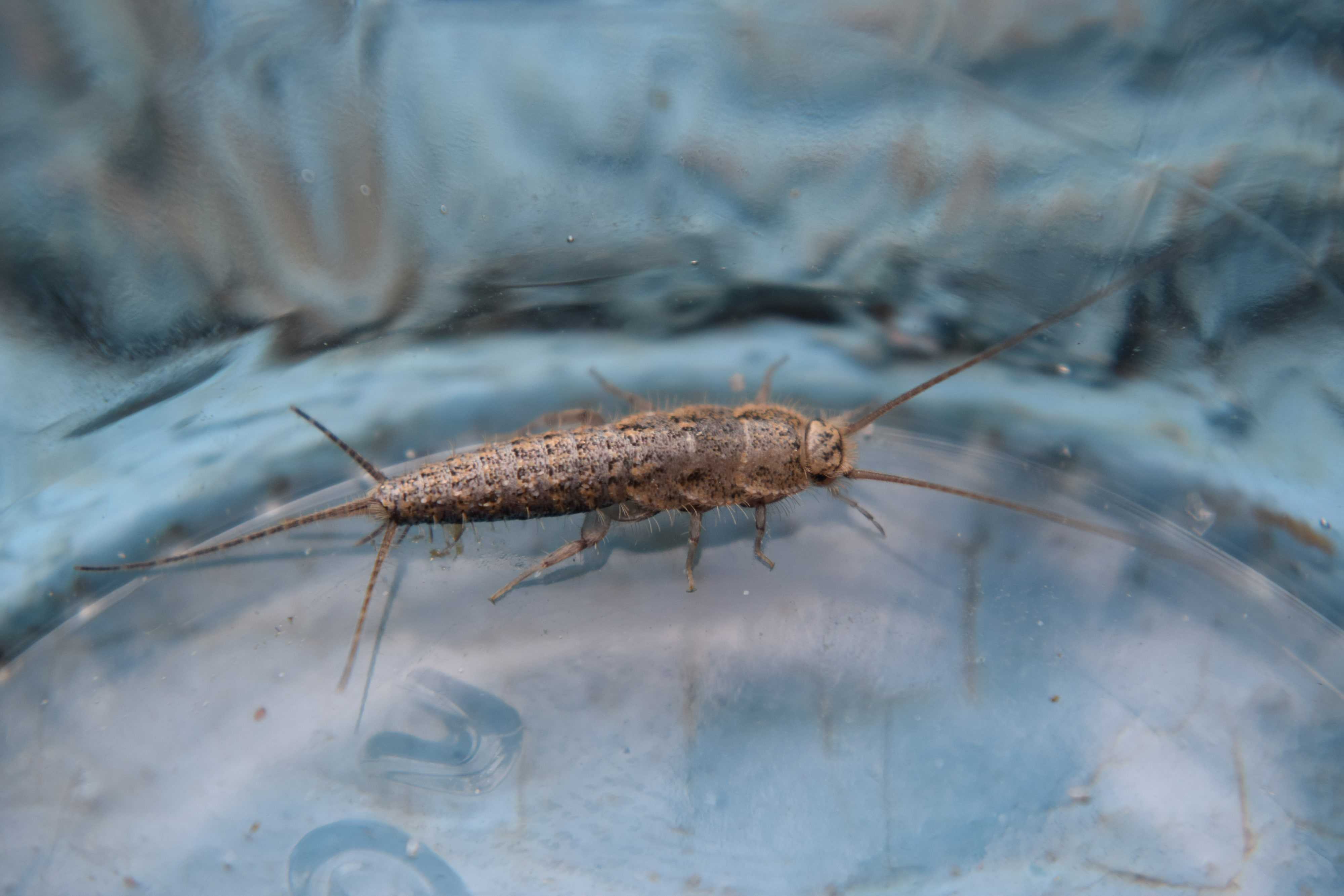
Recognizing an infestation begins with knowing what these bugs look like and understanding their behavior. Scientifically known as Lepisma saccharina, they are aptly named for their fish-like appearance and movements. The common silverfish found in households thrives in humid areas such as attics, basements, and bathrooms. These wingless insects have distinctive teardrop-shaped bodies covered in silvery scales that shimmer as they move, giving them a metallic sheen. But there’s more to identifying them than just their appearance.
A key sign of an infestation is the presence of silverfish droppings, which appear as black pepper-like specks or yellow stains. Finding these droppings in bedding, clothing, or furniture is a strong indicator of a problem.
These bugs exhibit specific behaviors and habits that can help you pinpoint an issue. These nocturnal creatures prefer dark, humid environments and are known for their rapid, darting movements. They have weak mandibles, which means they do not bite humans and instead scrape at food sources. Silverfish eggs are laid in hidden, moist locations such as cracks and crevices, and these silverfish eggs hatch within a few weeks, quickly contributing to the growth of infestations if not managed. They are often found in high-moisture areas like bathrooms, kitchens, and basements. Understanding these characteristics is crucial in identifying and addressing a problem in your home.
They eat materials such as paper, glue, fabrics, and other starchy or cellulose-based items, which can help you identify their presence by the damage left behind on these household belongings.
Physical Appearance and Characteristics
These insects are small, wingless with elongated, teardrop-shaped bodies that typically range from 0.5 to 1 inch long. An adult silverfish typically measures between 0.5 and 1 inch long and displays the characteristic silvery sheen. Their bodies are covered in tiny, glistening scales that give them a shimmering effect and a fish-like shape. They possess slender antennae and three tail-like appendages extending from their posterior.
While they have a silvery sheen, firebrats—another insect often confused with them—are usually mottled gray in color. This mottled gray appearance helps distinguish firebrats from the more metallic-looking bugs.
They can often be spotted in dark, humid environments, exhibiting rapid, darting movements that resemble swimming.
Habits and Nocturnal Activity
Understanding where silverfish live and their nocturnal habits is key to detecting an infestation. These are primarily nocturnal creatures, meaning they are most active during the night. Detecting an infestation often involves observing their nocturnal behavior, as they tend to be active in the dark.
Silverfish live in dark, damp, and humid areas within homes, such as bathrooms, basements, and kitchens, as well as in outdoor environments with similar conditions. They prefer places that are undisturbed, including leaf litter, under rocks, or in shaded, damp outdoor areas.
High moisture areas like laundry rooms, under kitchen and bathroom sinks, and in crawl spaces are typical hiding spots during the day. These bugs often seek shelter by hiding beneath objects or in hidden corners to avoid detection. They are known to move in a wriggling, fish-like motion, which is quite distinctive.
Where Do Silverfish Bugs Live?
Understanding where they live is crucial in managing and preventing infestations. These pests thrive in environments with high moisture levels, making them comfortable in both indoor and outdoor settings. Indoors, they are commonly found in attics, basements, bathrooms, kitchens, and other moist areas where humidity is high. The ideal temperature is between 72-81 degrees Fahrenheit, and they are more likely to appear during damp, cooler months when environmental conditions are conducive to their survival.
They tend to enter homes to avoid weather extremes, seeking shelter in suitable conditions. Urban silverfish are particularly well-adapted to living in human homes and buildings, thriving in dark, humid, and secluded spaces.
Indoor Environments
They thrive in environments with high humidity, making them common in areas like bathrooms and kitchens. Humid environments are ideal, and they prefer damp indoor areas such as bathrooms and laundry rooms. They often seek shelter in wall voids, crevices, and small cracks throughout the home, using these hidden spaces to hide and breed. Infestations often develop in these hidden indoor areas, so it is important to regularly inspect and treat these spaces to prevent widespread problems. Large infestations are often associated with accumulated clutter, stored goods, and high humidity in indoor environments.
Storing clothes in breathable fabric pouches instead of plastic helps prevent moisture buildup that attracts these pests. Storing clothing in sealed containers can also prevent access and infestation. These storage practices help prevent silverfish from accessing and damaging your belongings.
Outdoor Environments
Outdoors, they are often found living under tree bark and in leaf mold. They often inhabit outdoor environments such as leaf litter and damp, shaded areas. They can frequently be found under rocks as well. These secluded places provide the dark, humid environments needed to thrive.
When their hiding places are disturbed, they dart toward another secluded place.
Are Silverfish Bugs Harmful?
While generally considered harmless to humans, ‘dangerous’ is a common misconception. Although some may wonder if silverfish are dangerous to humans, the real concern is the damage they cause to property rather than any direct threat to people. Although not directly harmful to humans, it is important to note that they can be harmful to property by feeding on household items such as clothing, paper, and food. They do not bite or sting. They have weak jaws, so they cannot bite humans, and instead cause damage by scraping at materials. These pests do not transmit diseases, but their presence can still be quite problematic.
It’s recommended to control populations to protect your household items and maintain a clean environment to avoid factors that attract them.
Damage to Personal Items
They can negatively impact household items, causing considerable harm to books, clothing, and stored food. The damage often manifests as holes in fabrics, discoloration in book materials, and potential contamination to food supplies. Thanks to their ability to digest cellulose, they feed on paper, books, and similar materials. Silverfish eat a variety of household materials, including paper, glue, and fabrics, which leads to the damage often seen in infested homes. They are also known to target book bindings, where they can find shelter and cause further damage. Feeding by scraping their food instead of biting allows them to consume starchy materials effectively. To prevent contamination, it is important to store all dry food in airtight containers. Controlling populations is critical to protect personal items and maintain hygiene in food storage.
These pests have the ability to contaminate various food sources, including cereals, flour, pasta, pet food, and even dead insects, which they may feed on if available. Such contamination can lead to significant food waste and potential health concerns, making it vital to address infestations promptly.
Health Risks
While they pose minimal health risks to humans, some individuals may experience allergic reactions due to their presence and droppings. These reactions are rare and generally mild.
However, it’s still important to manage populations to avoid any potential health issues and maintain a clean living environment.
Signs of an Infestation
Detecting an infestation early can save you a lot of trouble. A silverfish infestation can be identified by these signs and should be addressed promptly to prevent property damage and further spread. Frequent sightings of live bugs are a strong indication of an infestation in your home. Other signs include their droppings and the damage they cause to materials they consume. Large infestations may require more extensive intervention and can lead to more significant damage if not addressed promptly. Repeated silverfish infestations indicate the need for comprehensive control measures.
Visible Sightings
Regularly observing live bugs scurrying in your home, especially in damp spaces, is a strong indication of an infestation. Adults are often seen darting across floors, particularly in dark and damp areas. Yellow stains on surfaces may indicate the presence of urine, suggesting ongoing infestation in the area.
Seeing these visible signs should prompt immediate action to control the population in your home. If you find silverfish in your home, consider seeking professional assistance to locate and eliminate hidden populations.
Droppings and Yellow Stains
Droppings resemble small black peppercorns and can be described as small, black, pepper-like pellets. These droppings are often found along with yellow stains from their feeding activities on surfaces where they have been active.
Droppings are an important sign of infestation and should not be ignored.
Damage to Books and Cardboard
They can create holes in various materials, including books and cardboard, as they feed on starches present in these items. Signs of damage include holes and frayed edges in paper products like magazines and documents.
They eat starches, which often leads to damage in books, cardboard boxes, and other cellulose-rich materials. They are also known to infest food supplies such as rolled oats, flour, and sugar, making these common pantry items vulnerable to contamination.
Preventing Silverfish Bug Infestations
Preventing infestations involves several proactive measures. Taking these steps will help you get rid of silverfish and keep your home protected. These pests thrive in environments with humidity levels between 75% and 95%. To prevent future infestations, it is crucial to eliminate moisture sources and enhance ventilation in areas prone to humidity. Effective control includes proactive prevention, regular inspection, and environmental modifications to reduce the risk of infestations. These measures are essential not only for controlling current problems but also for preventing future infestations.
Many prevention strategies are also effective against other pests, such as clothes moths, roaches, crickets, carpet beetles, and even rats, which thrive in similar environments.
Implementing ongoing preventive strategies is essential to avoid future infestations.
Reducing Humidity
Controlling humidity levels is vital, as these bugs thrive in moist environments. Utilizing a dehumidifier can help maintain indoor humidity levels below 60%, making conditions less favorable.
Maintaining low humidity levels in the home is crucial for prevention.
Sealing Entry Points
Common indoor locations include kitchens and cracks in walls. Applying caulk to fill in cracks and openings can effectively block entry. Sealing cracks and gaps around windows and doors can block infiltration.
Applying caulk and weatherstripping can close off cracks and gaps. Sealing entry points is crucial to prevent infiltration.
Proper Storage Techniques
Storing dry foods in airtight containers helps prevent attracting these bugs, which feed on starches. Keeping dry foods and paper products in airtight containers helps ensure they remain dry and less appealing.
Proper storage techniques are essential for prevention. Using airtight containers for dry foods and paper products significantly reduces the risk of infestation.
Effective Methods to Get Rid of Silverfish Bugs
Utilizing a range of methods can effectively manage and eliminate infestations. Different elimination methods can include both DIY solutions and professional interventions. A comprehensive control plan should integrate both DIY and professional pest management strategies for best results. These efforts help ensure your home remains pest free and comfortable.
Combining various methods and seeking professional help ensures effective eradication. Pest control services are performed by skilled technicians trained in effective eradication methods, ensuring thorough removal and prevention of future infestations.
DIY Solutions
Using sticky traps can help monitor activity and identify potential re-infestation areas. Establishing traps can effectively help in detecting new activity early. Setting up traps in key areas can effectively monitor activity and inform you of potential re-infestation.
Using diatomaceous earth can lead to dehydration and ultimately death.
Long-Term Silverfish Bug Control and Prevention
Professional pest control services utilize targeted treatments to eliminate bugs and prevent future infestations. Ensuring ongoing preventive measures is essential to avoid future infestations.
Professionals often use a combination of techniques to ensure long-term protection.
Regular Maintenance to Prevent Re-infestation
Maintaining cleanliness and reducing clutter in your home can significantly deter invasions. Keeping your home clean and free from clutter helps reduce the chances by eliminating potential food sources and nesting sites. To deter these bugs, maintain dry conditions in areas like basements and bathrooms.
Reducing moisture is an essential strategy to keep them away. Frequent cleaning with a HEPA vacuum can help remove eggs and food particles that attract them. Routine cleaning significantly reduces potential food sources.
Regularly checking for signs, such as droppings or skin molts, can help catch re-infestation early. Frequent inspections of dark, hidden areas are crucial for spotting signs promptly.
Regularly check for signs, such as molted skins and droppings, to catch infestations early.
Frequently Asked Questions About Silverfish Bugs
What attracts these bugs to my home?
They are drawn to dark, humid areas and the presence of food sources high in starch and carbohydrates, including paper and cardboard. Addressing these conditions will help deter them.
How can I prevent them from entering my home?
To effectively prevent entry, reduce humidity levels and seal any cracks and gaps in walls. Additionally, store dry foods and paper products in airtight containers to deter them.
Are they harmful to humans?
They are not harmful to humans as they do not bite or transmit diseases; however, they can damage personal belongings and contaminate food.
What should I do if I find them in my home?
If you find them in your home, it is essential to take immediate action by either implementing DIY methods or contacting professional pest control services. Addressing the issue promptly will help prevent further infestations.
When should I call a professional?
You should call a professional if you experience a persistent infestation that DIY methods fail to resolve, as they can provide effective eradication and prevention strategies.
"*" indicates required fields
"*" indicates required fields