 Agents Available 24/7
Water Bugs: Identification, Prevention, and Effective Removal Techniques
Water bugs are aquatic insects often mistaken for cockroaches. This article helps you identify these insects, understand why they invade homes, and learn effective prevention and removal techniques.
- These insects, distinct from cockroaches, live primarily in freshwater environments and exhibit unique hunting behaviors.
- Preventive measures, such as sealing entry points and eliminating standing water, play a crucial role in reducing infestations of these pests and bed bugs in homes.
- Giant water bugs can inflict painful bites, but while generally not dangerous, you should take precautions to avoid allergic reactions.
Understanding Water Bugs
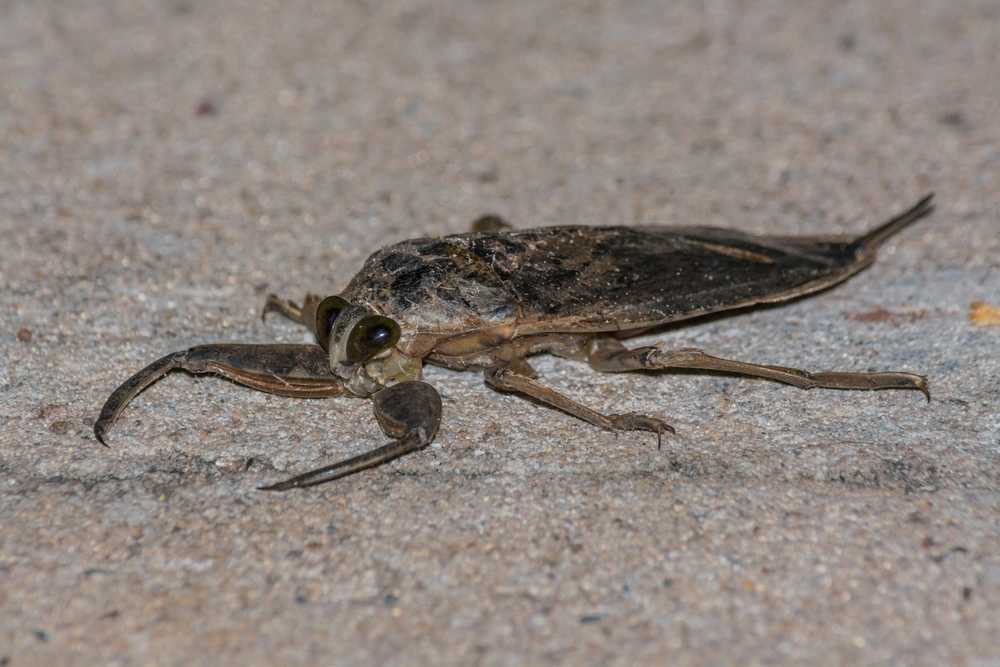
People often mistake water bugs for cockroaches, but these fascinating creatures belong to the order Hemiptera, also known as true bugs. Specifically, the giant water bug belongs to the family Belostomatidae, a group of aquatic insects classified within Hemiptera. These freshwater insects play a significant role in aquatic life and primarily inhabit freshwater ponds, streams, and other moist environments where giant water bugs thrive. Their dark brown color helps them blend into their natural habitats. One of the most recognizable species is the giant water bug, which ranks among the largest aquatic insects and displays a distinctive appearance. The family Belostomatidae also includes other species found in various regions, including Southeast Asia, each with unique behaviors and ecological roles.
Unlike these insects, the cockroach commonly infests human dwellings, contaminates food, and poses health risks by carrying bacteria and allergens. Cockroaches typically have a reddish-brown color, long antennae, and display rapid movement, thriving in various environments, especially indoors. Their behavior and pest status clearly set them apart from aquatic true bugs, which primarily live in aquatic habitats and rarely invade homes.
People also call giant water bugs alligator ticks because of their appearance and predatory behavior, electric light bugs due to their attraction to lights at night, and toe biters for their tendency to bite the toes of unsuspecting swimmers.
Distinguishing these insects from cockroaches is vital for effective pest control. Cockroaches have long antennae, while aquatic true bugs do not. Recognizing their unique characteristics and behaviors allows homeowners and pest control professionals to manage infestations more efficiently.
What Are Water Bugs?
These fascinating aquatic insects do not relate to cockroaches, despite common misconceptions. These true bugs have brown, flat bodies, clear wings, and large front legs that resemble pincers. They use these legs as paddles to navigate through their aquatic habitats, making them remarkable aquatic insects. Their long, oar-like hind legs adapt perfectly for swimming, allowing them to move efficiently through water.
In their natural environment, these bugs act as formidable predators, feeding on small aquatic animals and mosquito larvae. They use their sharp mouthparts to subdue prey, inject enzymes to liquefy the tissues of their catch, and then consume the liquefied remains. By feeding on fish and other aquatic creatures, they highlight their role as ambush predators. They inhabit freshwater ponds, lakes, streams, and other moist areas, showcasing adaptability to various aquatic ecosystems.
Water Bugs vs. Cockroaches
Recognizing the differences between aquatic true bugs and cockroaches proves crucial for effective pest control. Unlike cockroaches with elongated bodies, these bugs display distinctive size, shape, and coloration. Cockroaches, including oriental cockroaches, commonly infest damp indoor areas such as cracks and crevices in homes. While cockroaches scavenge omnivorously, these aquatic insects primarily target insects and small aquatic animals for food.
These bugs prefer aquatic environments and exhibit solitary behavior, contrasting with the communal living habits of cockroaches. Cockroaches qualify as pests in living spaces due to their association with food contamination and health risks, whereas aquatic true bugs rarely pose such problems because they naturally prey on other aquatic life. Recognizing these differences helps homeowners implement more targeted and effective pest control measures.
Habitats and Lifestyle
These aquatic insects, especially the giant water bug belonging to the family Belostomatidae, thrive in a variety of freshwater habitats. You will most often find these true bugs in freshwater ponds, lakes, and slow-moving streams, where they make their homes among submerged vegetation or near the water’s surface. Giant water bugs also venture into swimming pools, particularly during warmer months, making them a familiar sight for pool owners.
Perfectly adapted to aquatic environments, giant water bugs act as formidable predators. Their sharp mouthparts allow them to capture and subdue prey such as small aquatic animals, fish, and mosquito larvae. After catching prey, they inject digestive enzymes to liquefy the insides, then consume the liquefied remains. This unique feeding strategy helps control populations of other aquatic organisms and mosquito larvae, making them an important part of the ecosystem.
The lifestyle of these aquatic insects closely links to their environment. Unlike cockroaches, which prefer dark, damp indoor areas, these insects seek well-lit spaces near water, especially at night. During the breeding season, bright lights attract giant water bugs, which explains why people sometimes call them electric light bugs. This nocturnal activity often brings them into contact with humans around swimming pools and outdoor lights.
One of the most remarkable aspects of giant water bugs is their parental care. During breeding season, the female lays eggs on the male’s back, and the male carries them until they hatch. This behavior is unique among aquatic insects and highlights the complex life cycle of these bugs.
While giant water bugs, also known as toe biters, can deliver a painful bite if handled or threatened, their bites generally do not pose a significant health risk to humans. They use bites defensively when they feel threatened rather than as an attack method.
In addition to their ecological role, people in some cultures consider belostomatid bugs a delicacy, particularly in Southeast Asia, where they harvest these insects as a food source. This fact highlights the diverse ways humans interact with aquatic creatures.
To keep these insects out of living spaces, eliminate standing water and reduce moisture in damp areas around your home. Seal entry points and use home remedies like essential oils to deter these pests, but for larger infestations, seek professional pest control services.
Understanding the habitats and lifestyle of these aquatic insects not only aids effective pest management but also fosters appreciation for their role in maintaining healthy aquatic environments. By taking proactive steps to eliminate standing water and manage moisture, you can prevent these fascinating yet sometimes unwelcome guests from becoming a nuisance in your home.
Why Water Bugs Enter Homes
These insects often invade homes seeking warmth and food sources. They particularly favor environments with moisture and dampness, which provide ideal conditions for feeding and breeding. This preference explains their common presence in damp home areas, such as basements and spaces with standing water.
At night, bright lights attract them, and they may fly toward homes, increasing the likelihood of indoor encounters.
Knowing why these insects invade helps you prevent infestations. Addressing common entry points and environmental conditions that attract these pests can significantly reduce the likelihood of an invasion.
Common Entry Points
These bugs enter homes through small openings around doors and windows, as well as plumbing fixtures. Foundation cracks and gaps around windows and doors provide easy access.
Sealing these entry points proves essential for prevention and control. Taking proactive measures to block access creates a more secure, pest-free home.
Environmental Conditions Attracting Water Bugs
Standing water and moist areas attract these insects. Leaks or stagnant water create ideal conditions for these pests to thrive.
Fix leaks, ensure proper drainage, and promptly remove stagnant water to discourage them. Maintaining a dry environment significantly reduces their attraction and prevents infestations.
Health Implications of Water Bugs
Giant water bugs can inflict painful bites, but these injuries usually do not classify as medically dangerous. Because they tend to bite humans’ feet when disturbed in water, people sometimes call giant water bugs ‘toe biters.’ Their venomous bites can cause intense pain and swelling, with symptoms typically improving within five hours without medical treatment.
However, in rare instances, bites can trigger allergic reactions, including breathing difficulties and hives. Knowing the potential health risks associated with these insects allows you to take appropriate precautions and seek medical attention when necessary.
Can They Bite Humans?
True water bugs bite when threatened, and while painful, their bites do not endanger humans. These bites, although rare, cause pain, temporary discomfort, and swelling. Overall, bites do not pose danger but can be quite painful.
Handle these insects with care to avoid bites.
Allergic Reactions and Other Risks
Aside from allergic reactions, bites may cause temporary pain and discomfort. These insects possess paralyzing venom primarily affecting small prey, which can cause mild irritation and redness in humans.
In rare cases, severe allergic reactions to bites can lead to anaphylaxis. Symptoms like hives, difficulty breathing, and itching require prompt treatment.
Preventive Measures
Creating an unfavorable environment helps prevent infestations. Reducing potential food, water, and shelter sources effectively deters these pests.
Regular cleaning and maintenance keep them from entering and thriving. Implementing preventive measures helps maintain a clean, dry environment, reducing infestation risk.
Eliminating Standing Water
Remove any standing water around your home to deter these insects, as they thrive in such conditions. Maintain a dry environment, including ensuring tight-fitting lids on garbage and recycling bins, to keep them at bay.
Regularly clean and promptly dispose of food waste to reduce your home’s attractiveness. Fix leaks in pipes and faucets to minimize moisture that attracts these pests.
Sealing Entry Points
Inspect and seal gaps around windows and doors to block their entry. Use weather-stripping and caulk to reduce infestation likelihood.
Seal cracks and gaps in basements and crawlspaces to eliminate entry points, reducing invasion risk. These preventive measures create an environment less attractive to pests.
Effective Removal Techniques
Home remedies like peppermint or eucalyptus oil mixtures deter these insects. Baking soda mixed with sugar provides another suggested elimination method.
However, for severe infestations, professional pest control services offer the most effective solution.
Home Remedies
A homemade spray with essential oils like peppermint, eucalyptus, or tea tree repels these insects. Mixing equal parts vinegar and water in a spray bottle also helps.
Spreading food-grade diatomaceous earth in entry areas acts as a natural repellent. While effective, the success of these home remedies varies depending on infestation severity. For more strategies to keep rats and mice out of your kitchen, explore additional prevention techniques.
Dealing with Infestations in Specific Areas
These insects often thrive in areas like swimming pools, presenting a nuisance that requires specific management techniques. Maintaining cleanliness and controlling moisture in these areas proves crucial for preventing infestations.
Targeted strategies help homeowners effectively manage infestations in swimming pools, basements, and crawlspaces.
Swimming Pools
Copper ionization significantly deters these insects in pools by inhibiting algae growth, thus removing their primary food source. Using liquid dish soap in a controlled way traps and drowns insects that surface for air, providing a temporary solution to infestations.
Maintaining swimming pools is crucial for managing these pests, as cleanliness reduces their attraction. Combining methods enhances the overall effectiveness of managing infestations in swimming pools.
Basements and Crawlspaces
Moisture control in basements remains essential, as damp environments attract various insects, including these pests. Keeping basements and crawlspaces clean and dry prevents infestations.
Maintaining cleanliness and controlling moisture in these areas keeps them free of pests. These measures create an environment less attractive to insects.
Real-Life Experiences with Water Bugs
In Brazil, professionals like biologists reported five out of seven documented giant water bug bite incidents during fieldwork. These experiences highlight the importance of proper handling and caution when dealing with these insects.
Although giant water bugs can inflict painful bites, most recorded incidents involved biologists studying these insects, indicating a low risk for the general public. These real-life experiences help homeowners better prepare for and manage potential encounters.
Understanding, preventing, and effectively removing these aquatic insects remains essential for maintaining a pest-free home. By addressing common entry points, eliminating standing water, and using both home remedies and professional services, homeowners can successfully manage infestations. With the right knowledge and strategies, you can keep your living space free from these unwelcome pests.
Frequently Asked Questions
Are these insects harmful to humans?
While they can deliver a painful bite, people generally do not consider them dangerous. Avoid handling them to prevent painful encounters.
Are they as bad as roaches?
These insects usually do not cause as many problems as roaches, as they seldom invade homes and do not scavenge like roaches. While they bite if provoked, their presence rarely causes concern compared to cockroaches.
What causes these insects in your house?
Wet environments, such as leaky pipes, wet sinks, or standing water, primarily cause their presence. Eliminating these moisture sources helps prevent them indoors.
Can they bite humans?
Yes, they bite humans if threatened. Although their bites hurt, they do not pose danger.
What attracts them to homes?
They seek warmth and food, as well as moist environments and standing water. Managing humidity levels and eliminating standing water around your home helps prevent their intrusion.
"*" indicates required fields
"*" indicates required fields