 Agents Available 24/7
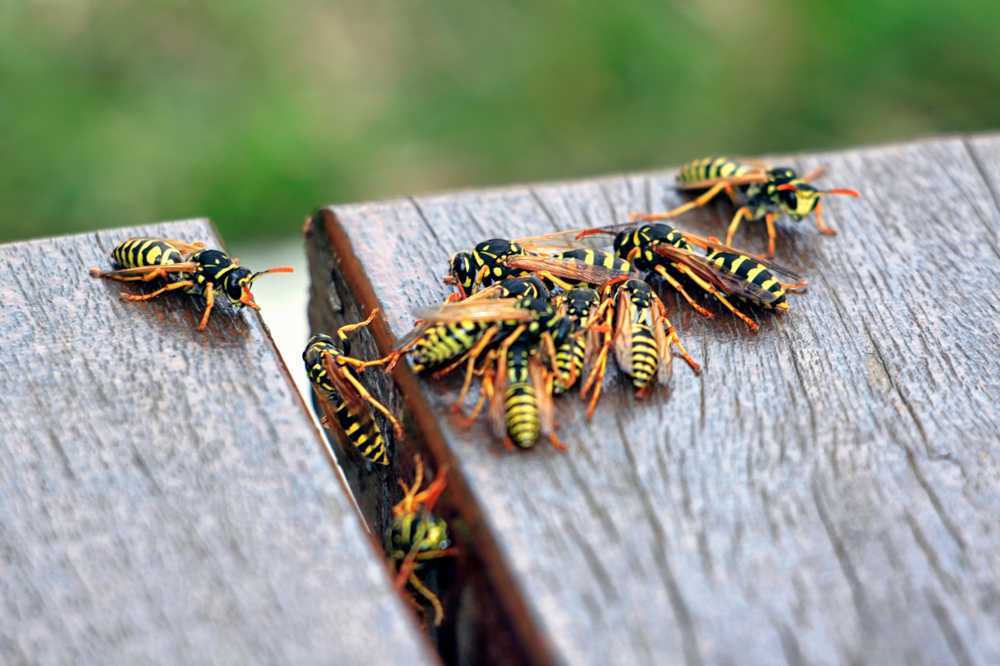
Everything You Need to Know About the Yellow Jacket Wasp
Yellow jacket wasps are aggressive insects known for their painful stings. In this article, we’ll cover how to identify the yellow jacket wasp, understand their behavior, and manage infestations effectively.
- Yellow jackets are aggressive social wasps that can sting multiple times, making them a significant concern during outdoor activities.
- They build nests in concealed locations such as underground burrows and man-made structures, often close to food sources, which increases human encounters.
- Professional pest control services are recommended for safe yellow jacket removal due to their aggressive nature and potential for causing severe allergic reactions.
Understanding Yellow Jacket Wasps
Yellow jackets are social wasps known for their distinctive black and yellow coloration. Unlike honey bees, they are more aggressive and territorial, which makes them a significant concern during outdoor activities. These wasps are often found in North America, belonging to the genera Vespula and Dolichovespula.
Their nests are usually hidden in cavities like walls or attics, making them hard to detect until disturbed. They primarily consume insects, fruits, plant nectar, meat, and sugary foods, which attract them to garbage cans and picnics.
Understanding these flying ants‘ basic characteristics and moisture ants can help you better coexist with these stinging insects.
Physical Characteristics
Yellow jackets are easily identifiable by their black and yellow colors, although some may exhibit red or white markings. These bee-sized social wasps have segmented bodies and narrow waists, which distinguish them from honey bees. Their body length ranges from 10 to 16 mm, making them slightly smaller than honey bees.
One of their most notable features is their hidden stinger located at the end of their abdomen, which can be used multiple times to sting repeatedly. These physical traits make them well-suited for their aggressive and defensive behaviors.
Behavior and Aggression
Yellow jackets are highly territorial and can become aggressive when their nest is approached. Unlike honey bees, which can sting only once, yellow jackets can sting multiple times, making them particularly dangerous. They sting when they perceive a threat, especially if their nest is disturbed. This aggressive behavior is a defense mechanism to protect their colony.
Understanding their behavior can help you avoid actions that might provoke these stinging insects.
Types of Yellow Jacket Wasps
In North America, several types of yellow jacket wasps exist, including:
- the Western Yellow Jacket, which is commonly found in Sacramento
- the German Yellowjacket, which is prevalent in Maryland
- the Eastern Yellowjacket, which has its own unique characteristics and nesting habits
Each species has unique characteristics and nesting habits.
Understanding the different wasp species can help in identifying and managing foraging wasps effectively.
Western Yellow Jacket
In Sacramento, the most common species of yellow jacket is the Western Yellow Jacket. Its scientific name is Vespula pensylvanica. They typically build their nests partially underground or in woodpiles, tree barks, dense vegetation, and sometimes as aerial nests. These wasps tend to build nests close to food sources and do not travel more than a few hundred yards from the nest to feed.
Their proximity to food sources often brings them into contact with humans, making them a common nuisance during outdoor activities.
German Yellowjacket
The German Yellowjacket (Vespula germanica) is known for its large worker population and aggressive nature. In temperate areas, the peak worker population can range from 1,000 to 3,000 individuals. Each colony can produce several thousand new reproductives after reaching peak size.
This species is particularly prevalent in urban areas, where they often nest in wall voids and attics, making them a significant pest.
Eastern Yellowjacket
The Eastern Yellowjacket (Vespula maculifrons) typically builds its nests underground, utilizing wood fiber to create a paper-like structure with multiple horizontal tiers of combs. These nests are often found in abandoned burrows and other soil cavities.
Unlike the German Yellowjacket, the Eastern Yellowjacket is less common in urban areas but can still pose a threat if its nest is disturbed.
Yellow Jacket Nests
Yellow jacket nests are fascinating structures made from a paper-like material created by mixing wood fibers with saliva. These nests are typically located in various places, including underground, in trees, and in man-made structures.
Understanding where and how these nests are built can help in identifying and managing yellow jacket infestations.
Nesting Sites
Common nesting sites for yellow jackets include underground burrows, aerial nests, and man-made structures like wall voids and attics. Aerial nests can be found in the eaves of houses, on electric lamp poles, and on secluded tree branches.
Observing yellow jackets’ flight patterns can provide clues to the nest’s location, especially when they are actively foraging.
Nest Building Process
Yellow jackets construct their nests using a unique papery material derived from chewed wood fibers mixed with saliva. The nest-building process is meticulous, with the wasps creating layers of combs to house their young, similar to those of a paper wasp and wasp nests.
This papery nest material is both lightweight and durable, providing a safe environment for the colony.
Identifying a Nest Entrance
Identifying a yellow jacket nest entrance can be challenging, but observing their flight patterns can help. Look for a small hole in the ground or an opening in a structure where yellow jackets are flying in and out. Watching for the highest activity of yellow jackets around an entry point can also indicate the nest entrance.
Marking the location without disturbing the nest can assist pest control professionals in safe removal.
Life Cycle of Yellow Jackets
The life cycle of yellow jackets is an annual process, with colonies forming in spring and dying off in fall. Only the yellow jacket queen survives through winter to start a new colony the following spring.
Understanding their life cycle can help in managing and preventing infestations.
Queen and Colony Formation
In spring, a fertilized queen selects a location and starts constructing a small paper nest. She feeds the young larvae for about 18 to 20 days, nurturing them until they can take over the tasks of the colony.
Each year, new queens establish fresh nests, leading to increased colony growth during summer.
Worker and Drone Roles
Worker yellow jackets take on various tasks, including foraging for food, maintaining the nest, and caring for the queen and larvae. Drones, on the other hand, are primarily responsible for mating with queens and do not participate in foraging or nest upkeep.
This division of labor ensures the smooth functioning of the colony.
The first adult worker yellow jackets emerge around mid-summer. By late summer, colonies can reach sizes of up to 5,000 workers with nests containing 10,000 to 15,000 cells.
The onset of cold temperatures signals the end of the colony’s lifecycle, with most workers perishing by winter.
Yellow Jacket Stings
Yellow jacket stings can cause significant pain and irritation, and in some cases, lead to severe allergic reactions. Unlike honey bees, yellow jackets can sting multiple times, making them particularly dangerous. Wasp stings can also result in similar reactions, and wasps sting can also lead to adverse effects.
Understanding the effects of their stings and how to treat them is crucial for staying safe.
Venom and Reactions
Yellow jacket venom contains a mixture of toxins, including antigen 5, hyaluronidase, and phospholipase A1, which can cause pain, swelling, and allergic reactions. The primary danger of yellow jacket venom is to allergic individuals or in cases of multiple stings.
Reactions can range from severe pain and swelling to life-threatening allergic reactions.
First Aid for Stings
After a yellow jacket sting, it’s important to clean the area with soap and water and apply ice to reduce swelling and pain. Applying a cold pack immediately after a sting can help alleviate pain and swelling.
These first aid measures can help mitigate the effects of the sting and reduce the risk of complications.
Preventing Stings
To prevent yellow jacket stings, it’s crucial to keep food sources secured, such as sealing garbage cans and compost bins. Avoiding brightly colored clothing and strong fragrances can also reduce the risk of attracting yellow jackets.
Staying calm and moving away slowly from yellow jacket nests when disturbed can help prevent stings.
Managing Yellow Jacket Infestations
Managing yellow jacket infestations involves locating the nest, using safe removal techniques, and implementing preventative measures. Avoiding areas where yellow jackets are actively foraging can significantly reduce the risk of stings.
Hiring professional pest control services is often the safest and most effective way to handle infestations.
Locating the Nest
To locate a yellow jacket nest, observe areas with numerous yellow jackets and track their flight patterns to find the entrance. Ground nests typically appear as small holes in the soil where yellow jackets enter and exit.
Marking the location without disturbing the nest can assist pest control technicians in safe removal.
Safe Removal Techniques
Removing yellow jackets can be challenging and dangerous for untrained individuals. Using pyrethrum aerosol sprays can quickly incapacitate yellow jackets upon contact. Nighttime is the safest time to treat yellow jacket nests, as they are less active and visibility is reduced.
Professional Pest Control Services
For safety reasons, it is highly recommended to hire a professional for yellow jacket removal due to their aggressive nature. Professional services can ensure thorough removal and reduce the likelihood of future infestations, while also offering expertise in managing yellow jacket nests effectively.
Yellow jacket wasps are fascinating yet formidable creatures. From their distinctive physical characteristics and aggressive behavior to their intricate nest-building practices and annual life cycle, there’s much to understand about these social wasps. Effective management of yellow jacket infestations requires knowledge of their nesting habits and safe removal techniques, often best handled by professionals. By taking preventative measures and staying informed, you can coexist safely with these stinging insects, ensuring they remain a part of the ecosystem without posing a threat to your safety.
Frequently Asked Questions
How can I identify a yellow jacket nest entrance?
Identifying a yellow jacket nest entrance is straightforward; look for a small hole in the ground or an opening with consistent yellow jacket activity. Monitoring their flight patterns will provide further clues to the nest’s location.
What should I do if I get stung by a yellow jacket?
If you get stung by a yellow jacket, clean the area with soap and water and apply ice to minimize swelling and pain. Seek immediate medical attention if you experience severe allergic reactions.
How can I prevent yellow jacket stings?
To prevent yellow jacket stings, secure food sources, avoid wearing brightly colored clothing and strong fragrances, and calmly distance yourself from nests if disturbed. Taking these precautions significantly reduces your risk of being stung.
How do I safely remove a yellow jacket nest?
To safely remove a yellow jacket nest, it’s advisable to hire a professional pest control service, as they utilize safe and effective methods for removal. This helps ensure your safety and proper handling of the situation.
What services does PURCOR Pest Solutions offer for yellow jacket infestations?
PURCOR Pest Solutions offers safe removal of yellow jacket nests, along with preventative measures and long-term pest management strategies to effectively handle infestations. Their comprehensive approach ensures your space remains pest-free.
"*" indicates required fields
"*" indicates required fields