 Agents Available 24/7
Are Centipedes Poisonous? Facts, Dangers, and Safety Tips
Are centipedes poisonous? Yes, but most species are harmless to humans. Discover which centipedes are dangerous and how to treat their bites.
- Centipede venom varies in potency; while most bites cause mild irritation, certain species like the Giant Desert and Texas Redheaded Centipede can inflict intense pain, inflammation, redness, and health risks.
- Centipede bites can cause immediate pain, inflammation, redness, and swelling. Severe allergic reactions are rare but require immediate medical attention.
- Preventative measures such as reducing humidity and sealing entry points are essential to get rid of centipedes, with professional pest control services available for persistent issues.
Understanding Centipede Venom
To grasp the potential danger posed by centipedes, a closer examination of their venom is necessary. Centipede venom is a complex cocktail of neurotoxins, proteins, and enzymes designed to incapacitate their prey and defend against predators. This venom is delivered through specialized needle-like structures located on their maxillipeds, known as forcipules, which inject venom directly into their target.
While it is true that all centipede species produce venom, the potency and effects can vary significantly. Most centipedes use their venom primarily to hunt and subdue small insects and other prey. For humans, the good news is that not all centipede bites result in severe reactions. While the venom of many centipede species can cause discomfort and mild irritation similar to a bee sting, only a few are capable of causing significant harm to humans.
Evaluating the nature of centipede venom helps in assessing the risks they pose. Although centipedes can cause intense pain, inflammation, redness, and swelling, they generally pose no serious threat. Identifying the truly dangerous species and understanding their use of venom better prepares us for encounters with these fascinating yet often feared creatures.
Types of Poisonous Centipedes
While it’s true that many centipede species are harmless to humans, there are a few that stand out due to their potent venom and aggressive behavior. Among these, the Giant Desert Centipede and the Texas Redheaded Centipede are particularly noteworthy. These centipedes can deliver painful bites that may lead to significant discomfort and, in some cases, more serious health issues, including headache and irregular pulse.
Recognizing the harmful centipede species aids in identifying a centipede bite and understanding the associated risks. Next, we’ll examine these two notorious species, their traits, and the symptoms caused by their bites.
Giant Desert Centipedes
The Giant Desert Centipede is a formidable creature, growing up to 12 inches in length, making it one of the largest centipedes in the world. Its size alone can be intimidating, but it’s the bite of this centipede that truly captures attention. A bite from a Giant Desert Centipede can result in intense pain, significant swelling, and even mild systemic symptoms such as dizziness and nausea.
These centipedes are often found in desert regions, where pests lurk in dark and damp areas as they hunt small insects and other prey. Their venom, while primarily used for hunting, can cause considerable discomfort to humans unfortunate enough to be bitten; biting centipedes inject venom that can lead to inflammation, redness, and swelling.
Being aware of the symptoms and risks of Giant Desert Centipede bites aids in managing and mitigating encounters.
Texas Redheaded Centipede
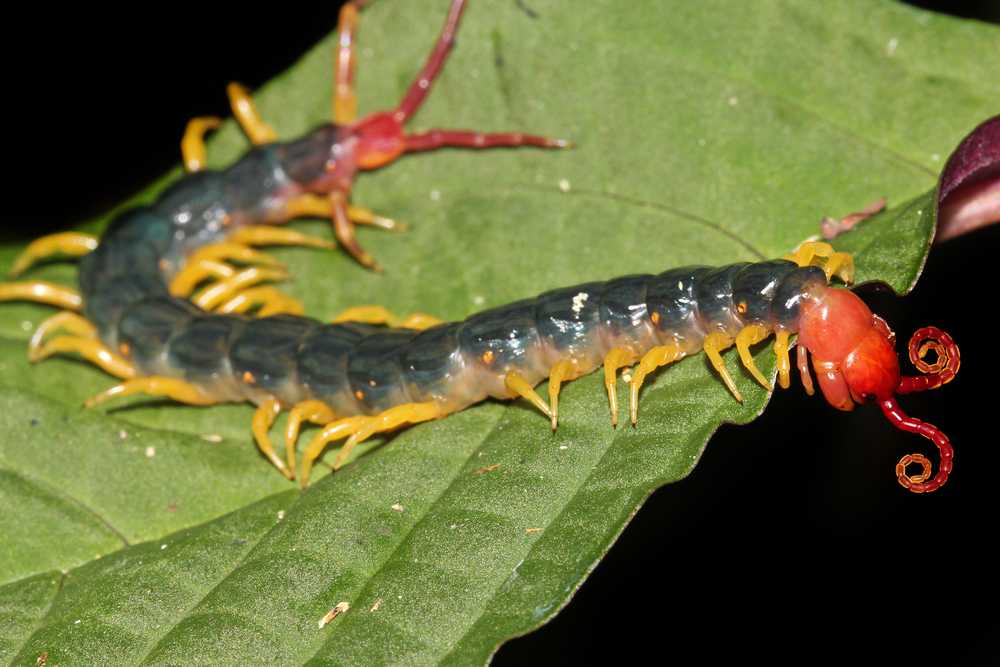
The Texas Redheaded Centipede is distinct due to its bright red head. Its body features black and green colors and it has thick yellow legs. Known for its aggressive nature, this centipede does not shy away from defending itself, often resulting in severe pain, inflammation, and potentially allergic reactions to those who come too close. Typically measuring around 6 inches in length, it is found in the southwestern United States and northern Mexico.
Bites from the Texas Redheaded Centipede can lead to severe pain, swelling, and redness, as well as potentially serious allergic reactions. Its distinct appearance and behavior make it one of the more concerning centipede species for humans. Recognizing this centipede and knowing its bite symptoms are vital for effective treatment and prevention.
How Centipedes Inject Venom
Centipedes have a unique and effective mechanism for delivering their venom. They utilize modified front legs known as forcipules, which function like pincers, to inject venom into their prey. These forcipules are equipped with venom glands that secrete the toxic cocktail through a pore located at the tip of each structure. This method allows centipedes to quickly subdue their prey, ensuring a successful hunt.
The venom itself is a potent mixture of proteins and peptides with neurotoxic effects, capable of paralyzing small insects and other prey almost instantly. This same mechanism is used in self-defense, which is why centipede bites can be so painful to humans.
Knowing how centipedes inject venom provides insight into their hunting strategies and the potential impact of their bites on humans and pets.
Symptoms of Centipede Bites
Centipede bites can vary in their severity and symptoms, depending on the species and the individual’s sensitivity to the venom. Typically, a centipede bite will result in immediate pain, inflammation, redness, and swelling at the site of the bite. In most cases, these symptoms are mild and resolve within a few hours or days. However, bites from larger or more venomous species, such as the Texas Redheaded Centipede, can cause more severe pain and inflammation.
For some individuals, particularly those with sensitivities or allergies to insect venom, a centipede bite can lead to more serious reactions. Allergic reactions can present with various symptoms. These may include difficulty breathing, swelling of the face and throat, and a drop in blood pressure.
These severe reactions are rare but require immediate medical attention if they occur. Recognizing the symptoms of a centipede bite aids in effective identification and management.
Immediate Pain and Swelling
The initial response to a centipede bite often includes immediate pain and swelling at the site of the bite. The intensity of this pain can vary depending on the species of centipede and the location of the bite on the body. For example, a bite from a Giant Desert Centipede can cause significant pain and inflammation, sometimes accompanied by symptoms such as nausea and dizziness.
Pets, especially dogs, may exhibit signs such as swelling, redness, and pain at the bite site. Monitoring these symptoms and providing care can mitigate discomfort and prevent complications, especially if they tend to bite people or pets.
Allergic Reactions
While most centipede bites result in mild symptoms, there is a potential for allergic reactions in some individuals. Anaphylactic shock, though rare, can occur as a severe allergic reaction to centipede venom. Symptoms of an allergic reaction may include generalized hives, facial swelling, difficulty breathing, and a drop in blood pressure.
More severe reactions can include intense itching, swelling of the lips or throat, and even vomiting or irregular pulse rates. Early recognition of these symptoms and immediate medical attention can prevent life-threatening consequences and ensure proper treatment.
Centipedes Dangerous to Humans
The question of whether centipedes are dangerous to humans is complex. While it is true that centipede bites can be painful and cause discomfort, most species do not pose a serious threat to humans. However, certain species like the Giant Desert Centipede and the Texas Redheaded Centipede are known to deliver bites that can lead to severe pain, inflammation, redness, and more significant health risks.
House centipedes, on the other hand, are generally not dangerous to humans and tend to retreat when threatened. Their bites, if they occur, usually cause only minor irritation. The real concern lies with the larger and more aggressive species, which can cause temporary pain, irritation, and in rare cases, more severe reactions.
Recognizing the risks of different centipede species aids in identifying bites and taking appropriate action. While most centipede encounters result in minor annoyances, being prepared for the potential risks is always wise.
Centipedes Dangerous to Pets
Pets, particularly dogs and cats, can be at risk from centipede bites. While most centipede bites on pets result in temporary pain and mild irritation, it’s important for pet owners to be aware of the symptoms and monitor their pets closely. Dogs and cats may experience swelling, redness, and pain in the affected area following a bite.
Protecting pets from centipedes involves keeping living spaces free from pests and knowing how to respond to bites. Monitoring pets for distress or unusual behavior after a centipede bite is crucial for timely and effective care.
Centipedes Dangerous to Dogs
Centipede bites are generally not dangerous to dogs. A bite can cause temporary pain or mild irritation, but serious health issues are rare. Dog owners should be aware of centipede bite symptoms, such as swelling, redness, and puncture wounds.
Usually, the discomfort from a centipede bite subsides on its own, but appropriate care and monitoring for distress ensure a quick recovery.
Centipedes Dangerous to Cats
Cats are generally not at significant health risk from centipede bites. However, symptoms such as drooling, vomiting, and fatigue can indicate a reaction to a centipede bite. Monitoring symptoms and providing necessary care can ensure the well-being of the cat.
Cat owners should monitor pets after a suspected centipede bite and seek veterinary help for severe symptoms or unusual behaviors.
Preventing Centipede Infestations
Preventing centipede infestations begins with addressing the environmental factors that attract them. Centipedes thrive in damp and humid conditions, so reducing humidity in the home is crucial. Using dehumidifiers and ensuring proper ventilation can significantly deter these pests. Fixing leaks and addressing moisture issues creates an inhospitable environment for centipedes.
In addition to managing moisture, sealing all cracks and crevices around the home can prevent centipedes from entering. Minimizing clutter, especially in dark and damp areas like basements and crawl spaces, can also help reduce the likelihood of centipede infestations. Regularly clearing away leaves and organic matter outdoors can further deter centipedes from taking up residence.
Implementing these preventive measures can significantly help get rid of centipedes and create a safer, more comfortable living environment.
Treatment for Centipede Bites
If you or your pet is bitten by a centipede, prompt and appropriate treatment can help alleviate symptoms and prevent complications. Start by cleaning the wound thoroughly with soap and water to remove any venom and reduce the risk of infection. Using a cold compress or ice pack on the bite site can reduce pain, inflammation, redness, and swelling.
Over-the-counter medications like antihistamines, anesthetics, and anti-inflammatory drugs can provide pain relief. In some cases, applying heat to the bite area can help dilute the venom and provide additional relief.
Monitoring the bite site for signs of infection or worsening symptoms is crucial, and seeking medical attention if necessary ensures proper care.
When to Seek Medical Attention
While most centipede bites are not serious, there are situations where medical attention is necessary. Immediate medical attention is required if symptoms like difficulty breathing, throat swelling, or severe pain occur, as these could indicate an allergic reaction. Children with centipede bites should also be evaluated by a healthcare provider as a precaution.
Consulting a doctor is recommended if symptoms do not improve within a few days or if there are signs of infection, such as increased redness, warmth, or pus at the bite site. Severe reactions, particularly from bites by larger centipedes, may require professional medical management to prevent complications and ensure proper healing.
Professional Pest Control Services
For those dealing with persistent centipede infestations, professional pest control services can provide effective solutions. Regular pest control maintenance can help mitigate the presence of centipedes and other household pests, ensuring a safer and more comfortable home environment.
While centipedes can be startling and their bites painful, most species do not pose a significant threat to humans or pets. Understanding the nature of centipede venom, recognizing the symptoms of bites, and knowing how to treat them are crucial steps in managing encounters with these creatures. Preventive measures, such as reducing humidity, sealing entry points, and minimizing clutter, can help get rid of centipedes and keep them at bay.
For persistent infestations, professional pest control services provide effective solutions to manage and prevent centipede problems and avoid bringing bed bugs home. By staying informed and proactive, you can ensure a safer and more comfortable living environment, free from the worry of centipede encounters.
Frequently Asked Questions
Are centipedes venomous?
Yes, many centipedes are venomous due to their specialized front limbs that contain venom glands used to subdue prey. While they can bite humans, the severity of the venom varies among species.
What happens if a centipede bites you?
A centipede bite typically results in intense pain, inflammation, redness, and swelling, with symptoms usually resolving within 48 hours. However, individuals sensitive to the venom may experience additional symptoms such as headache, irregular pulse, or nausea. In some cases, severe allergic reactions may necessitate medical attention.
Why should you never squish a centipede in your house?
You should never squish a centipede in your house because they are beneficial predators that help control pest populations, including moths, flies, and termites. Preserving them can contribute to a healthier home environment.
What should I do if my pet is bitten by a centipede?
If your pet is bitten by a centipede, promptly clean the bite area with soap and water, apply a cold compress, and observe for any signs of distress. Should symptoms persist or worsen, it is crucial to seek veterinary care.
What services does PURCOR offer for centipede infestations?
Whitworth Pest Solutions and Puyallup, WA pest control services PURCOR provide comprehensive pest control services for centipede infestations, including assessment of the problem source, customized management plans, and a blend of chemical and natural treatments to eradicate centipedes and prevent reoccurrence.
"*" indicates required fields
"*" indicates required fields