 Agents Available 24/7
Weevil Bug: How to Identify and Eliminate These Pests
Wondering what weevil bugs are and how to get rid of them? This comprehensive guide will show you how to identify these pests, understand their life cycle, recognize signs of infestation, and effectively eliminate these bugs from your home and stored food products.
- These pests can be identified by their distinctive elongated snouts, varying sizes, and colors, with early detection crucial for preventing infestations.
- Common types include rice weevils, granary weevils, and the rose weevil, which primarily infest grains and other food products, causing significant financial losses.
- Proactive prevention methods, such as storing food in airtight containers, using natural repellents like bay leaves and garlic cloves, and maintaining cleanliness, are effective strategies to control these insects.
Identifying Weevil Bugs
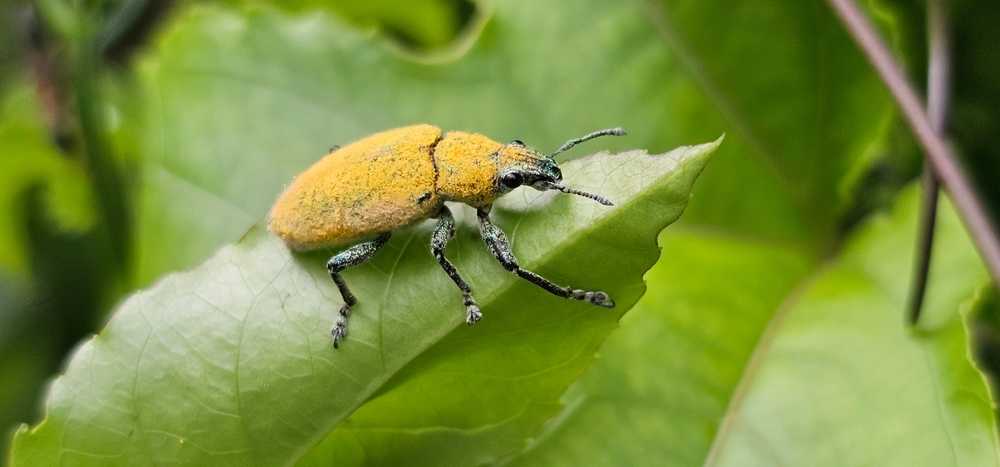
One of the most distinctive features is their elongated head, which forms a prominent snout. This often-curled snout is a key identifying characteristic that sets them apart from other small beetles and seed beetles closely related to them.
Adult bugs typically range in size from 3 mm to 12 mm. Their coloration can vary widely, from dark brown to black or reddish brown. This variability in size and color can make it challenging to identify these pests at first glance, but their unique snouts are a reliable indicator.
Recognizing these physical traits early on can prevent a full-blown infestation. Early detection allows for swift action to protect your stored food products and keep your home pest-free.
Common Types of Weevil Bugs
Among the many species, rice weevils are particularly notorious. Measuring approximately 1/8 inch long, they have a characteristic snout and are dull reddish-brown with four faint marks on their wing covers. These bugs primarily infest grain kernels, causing significant loss in stored grains.
Granary bugs are another common type, slightly larger than rice weevils, ranging from 1/8 to 1/4 inch. Unlike rice weevils, granary bugs lack the pale spots on their wing covers and primarily infest grains and grain products. Their presence in stored food products can lead to considerable financial losses.
The rose weevil is another species that can cause damage, especially to plants and flowers. Additionally, the boll weevil (Anthonomus grandis) is known for its severe damage to cotton crops. While less common in homes, understanding these various types helps in identifying and controlling these pests effectively.
Weevil Bug Life Cycle
The life cycle begins when females lay eggs (often more than 150 in their lifetimes) in or near food sources. This ensures that larvae have immediate access to nourishment upon hatching.
After the eggs hatch, the larvae, which are light in color and resemble maggots, begin feeding on roots or other food sources. Many larvae spend the winter underground, feeding and growing until they are ready to move on to the next stage. During this larval stage, these pests can cause significant damage to crops and stored food products.
The pupal stage occurs within a protective cocoon, usually in the soil. After several months, adults emerge from the ground, ready to continue the cycle. Understanding this life cycle is essential for implementing effective control measures.
How These Bugs Infest Homes
They can find their way into homes through various means. One common method is through contaminated packaged foods purchased from stores. They can also enter by flying or crawling in from outside, especially during certain seasons.
Once inside, these insects lay their eggs in or near food sources such as grains and seeds. The larvae feed on these food supplies, leading to significant damage. Infested food packages may begin to emit a musty or off smell due to their presence and waste.
Inspect food items thoroughly before purchasing and seal potential entry points to keep these bugs out of your home. This minimizes the chances of an infestation.
Signs of an Infestation
Visible damage to stored grains is a primary indicator of an infestation. You might notice small holes in grain kernels or see a fine, flour-like powder left behind as they consume the food. This powder clearly indicates feeding activity in your pantry.
Adults can often be found crawling on surfaces or within food items. Their presence is a strong indicator of an active infestation. Additionally, the presence of larvae, which are small, light-colored, and resemble white grubs, signals that the infestation is ongoing.
Dark brown or black droppings, which may appear scattered or in clumps, are another sign. Noticing any of these signs means it’s time to act to eliminate the pests and protect your stored food products.
Preventing Infestations
Preventing an infestation involves several proactive steps. Storing food in airtight containers is a highly effective method to prevent access and infestation. This simple measure greatly reduces the risk.
Check food packages for damage before purchasing and opt for clear packaging to avoid bringing pests home. Additionally, consider freezing new food purchases for a few days to eliminate any potential eggs or larvae.
Use natural repellents like bay leaves and garlic cloves in pantry areas to deter these bugs. Promptly cleaning up spills and crumbs in your kitchen reduces pest attraction. Regular cleaning with white vinegar and quick spill response help maintain a pest-free environment.
DIY Methods to Get Rid of These Bugs
If you find yourself dealing with an infestation, several DIY methods can help. While chemical treatments such as insecticide sprays are effective, they should be used carefully according to label instructions to avoid harm.
Natural methods involve using bay leaves as repellents and sprinkling diatomaceous earth in affected areas. Diatomaceous earth, lethal upon contact, is a powerful pest control tool.
Pheromone traps, which use attractants, offer a non-toxic option to control these pests. To prevent re-infestation, dispose of infested foods and clean thoroughly.
When to Call Professional Pest Control Services
Sometimes, despite your best efforts, DIY methods might not be enough to eliminate a problem. If other methods fail, consider reaching out to professional pest control services.
Understanding these pests and their behavior is crucial in preventing and eliminating infestations. From identifying them to knowing their life cycle and how they infest homes, each step is vital in maintaining a pest-free environment.
By following these prevention tips and DIY methods, you can effectively control these insects and protect your stored food products. And when the situation calls for it, professional pest control services are always available to provide expert help. Together, these strategies ensure your home remains free from these pesky invaders.
Frequently Asked Questions
How can I identify an infestation in my home?
To identify an infestation in your home, check for visible damage to stored grains, the presence of adults or larvae, dark brown or black droppings, and a flour-like powder. Addressing these signs promptly will help prevent further damage.
What are some common types that infest homes?
Common types that infest homes include rice weevils, granary weevils, and rose weevils, all of which primarily target grains and other stored food products. Addressing these infestations promptly can help protect your food supplies.
What natural methods can I use to repel these bugs?
Using bay leaves, cloves, garlic cloves, and a vinegar-water solution can effectively repel them in pantry areas. Incorporate these natural remedies to safeguard your food supplies.
When should I call professional pest control services for an infestation?
Call professional pest control services if DIY methods are ineffective in eliminating the problem. They have the expertise and resources to address the situation effectively.
How can I prevent these bugs from infesting my stored food?
To prevent infestations, use airtight containers, inspect food packages before buying, freeze new purchases, and maintain a clean kitchen. Taking these steps will significantly reduce the risk of infestation.
"*" indicates required fields
"*" indicates required fields