 Agents Available 24/7
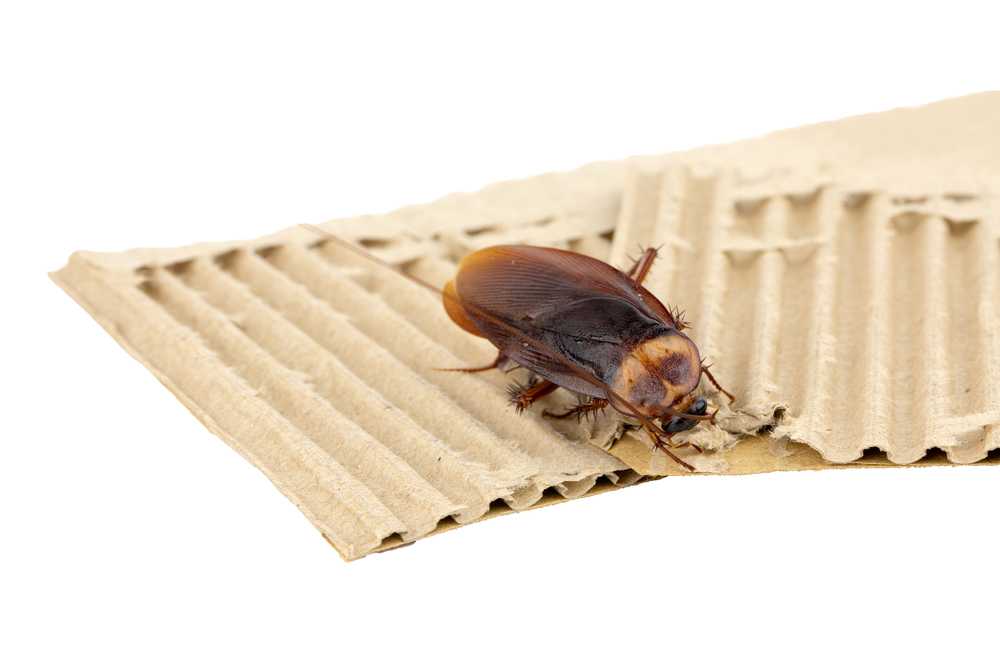
Can Roaches Bite? Tips & Facts You Need to Know
Can roaches bite humans? Yes, roaches can bite, but it’s a rare occurrence. This article will explore when and why roaches might bite, how to identify their bites, potential health risks, and ways to treat and prevent bites.
- Cockroach bites are rare and usually occur in cases of severe infestation when food sources are scarce, primarily affecting soft skin areas.
- Recognizing cockroach bites can be difficult as they resemble other insect bites, appearing as small, itchy red bumps, and may cause mild irritation and allergic reactions.
- Preventing cockroach infestations through good hygiene, proper food storage, and sealing entry points is critical to avoiding bites and related health risks.
Can Cockroaches Bite?
Yes, cockroaches can indeed “cockroaches bite humans,” but this occurrence is extremely rare. The German, American, and Australian cockroach species are known to bite humans, typically when food sources are scarce. These bites usually happen when roaches target areas with soft skin, such as fingernails, eyelashes, and other exposed skin parts.
Cockroach bites generally occur in environments where the cockroach population is large, and their food supply is limited. In such situations, these pests may resort to biting humans as an alternative food source. This behavior is most commonly associated with the German cockroach, which is a prevalent species in homes.
Although the idea of cockroaches biting humans may seem alarming, these incidents are rare and typically occur during severe infestations. Knowing the conditions that lead to cockroach bites can help you take preventive measures and maintain a pest-free home.
Identifying Cockroach Bites
Recognizing cockroach bites can be challenging, as they often resemble other insect bites. Cockroach bites look like small, itchy, bright red bumps, slightly larger than mosquito bites, typically ranging from 1 to 4 millimeters in size. Unlike bed bug bites, which often appear in clusters or lines, cockroach bites usually appear individually.
A key characteristic of cockroach bites is their size and singular occurrence, unlike bed bug bites, which are smaller and tend to appear in lines or clusters. Roach bites can cause mild irritation, redness, and swelling, similar to other insect bites.
Because of their resemblance to other insect bites, identifying a cockroach bite with certainty can be difficult. However, knowing these distinguishing features can help you recognize and address a cockroach bite more accurately.
Health Risks of Cockroach Bites
Cockroach bites, while not venomous, can still pose health risks. The most common symptoms of a cockroach bite include irritation, redness, and mild swelling. In some cases, these bites can lead to minor infections, which are characterized by increased swelling and the presence of pus.
Individuals who are sensitive to insect bites may experience allergic reactions to cockroach bites. These reactions can vary in severity, with symptoms ranging from mild skin reactions to more severe allergic reactions, such as difficulty breathing. Monitor the bite for any signs of an allergic reaction and seek medical attention if severe symptoms arise.
Good hygiene practices are crucial in reducing the risk of cockroach bites and potential infections. Keeping your living environment clean and minimizing exposure to cockroaches can significantly reduce the likelihood of bites and related health issues.
How to Treat Cockroach Bites
If you suspect a cockroach bite, treat it immediately.
Begin by:
- Washing the bite area with warm water.
- Using soap as well to help prevent infection.
- After cleaning, apply an ice pack to the affected area to reduce swelling and alleviate discomfort.
Consider using an antihistamine or anti-inflammatory cream to further reduce irritation and itching. Applying aloe vera gel can also help soothe the bite and promote healing. Keeping the bite clean and avoiding scratching will help prevent the bite from worsening and reduce the risk of infection.
These steps can help manage cockroach bites effectively and minimize potential health risks. Seek medical attention promptly if the bite shows signs of severe infection or if you experience a severe allergic reaction.
Preventing Cockroach Infestations
Preventing infestations is key to avoiding cockroach bites. Cockroaches are attracted to food, water, and shelter, which makes even clean homes susceptible to infestations. Regularly cleaning dishes and surfaces, especially in the kitchen, can help eliminate food sources that attract cockroaches.
Proper food storage is crucial. Keeping food in sealed containers prevents cockroaches from accessing it, especially in pantries. Clean outdoor areas and secured trash bins can help prevent cockroaches from migrating indoors. Sealing gaps in walls, utility pipes, and around doors can block entry points, making it harder to get rid of cockroaches and enter your home.
When moving, check for roaches in furniture and use plastic containers instead of cardboard to prevent bringing them to a new home.
Common Cockroach Species in Homes
Several common cockroach species, including many cockroach species, can be found in homes. The German cockroach is the most prevalent, measuring about 5/8 to 2/3 inches. These German cockroaches thrive in kitchens and bathrooms where food and moisture are abundant.
The American cockroach, also known as the waterbug, prefers warm, damp areas and has a diet that includes starchy and sweet substances. American cockroaches are larger than other common species, measuring about 1 1/2 inches, and are typically found in commercial spaces.
The brown-banded cockroach, slightly smaller than the German cockroach, prefers warm environments and can often be found in appliances or furniture. The oriental cockroach, often called ‘waterbugs,’ prefers damp areas like basements and drains and does not have wings.
Knowing these species’ characteristics and habitats can help you identify and address cockroach infestations more effectively.
Signs of a Cockroach Infestation
Recognizing the signs of a cockroach infestation enables you to take early action. Finding live cockroaches during the day strongly indicates a serious infestation, as these pests are normally nocturnal. Cockroach droppings, resembling ground coffee or black pepper, are often found in hidden places like under sinks. A musty odor in the home often signifies a growing cockroach population.
Physical damage to food packaging or organic materials may also signal cockroach activity. Awareness of these signs can help you detect infestations early and take steps to address them before they become more severe.
Professional Pest Control Services
Professional pest control services are essential in cases of severe infestation. Multiple roaches and egg casings clearly indicate the need for professional assistance. Relying on a professional pest control company ensures that your home remains pest-free and safe from health risks associated with cockroach bites.
While cockroach bites are rare, they can pose health risks and should be taken seriously. Understanding how to identify and treat these bites, as well as how to prevent cockroach infestations, is essential for maintaining a healthy home. Regular cleaning, proper food storage, and sealing entry points are effective preventive measures.
For severe infestations, professional pest control services are invaluable. By taking proactive steps and seeking expert assistance when needed, you can protect yourself and your home from the persistent threat of cockroach bites and infestations.
Frequently Asked Questions
Can cockroaches bite humans?
Yes, cockroaches can bite humans, but it is extremely rare and typically occurs when food sources are scarce.
What do cockroach bites look like?
Cockroach bites resemble small, itchy, bright red bumps that are slightly larger than mosquito bites and usually appear individually. It is important to monitor these reactions for any signs of infection.
What are the health risks of cockroach bites?
Cockroach bites can cause irritation, redness, and swelling, with potential for minor infections or allergic reactions in sensitive individuals. It’s important to seek medical attention if you experience severe symptoms.
How can I treat a cockroach bite?
To treat a cockroach bite effectively, clean the area with warm water and soap, apply an ice pack to minimize swelling, and use antihistamine or anti-inflammatory cream for irritation relief. Additionally, aloe vera gel can provide soothing relief.
How can I prevent cockroach infestations?
To prevent cockroach infestations, focus on regular cleaning, proper food storage, and sealing entry points. Additionally, maintaining clean outdoor areas and considering professional pest control services can further enhance your prevention efforts.
"*" indicates required fields
"*" indicates required fields