 Agents Available 24/7
Cow Killer Ant: The Painful Truth Behind This Misleading Name
What is a cow killer ant? Despite the scary name, this insect is a wasp known for its extremely painful sting. Learn about its appearance, habitat, behavior, and more as we explore this fascinating creature.
- The cow killer, despite its name, is not an ant but a type of wasp, known for its painful sting.
- These insects are adaptable, found across a wide range of habitats from meadows to deserts, and are typically active during the day.
- Common misconceptions include the belief that their sting can kill a cow; however, while excruciating, it is not life-threatening to humans or larger animals.
What is the Cow Killer Ant?
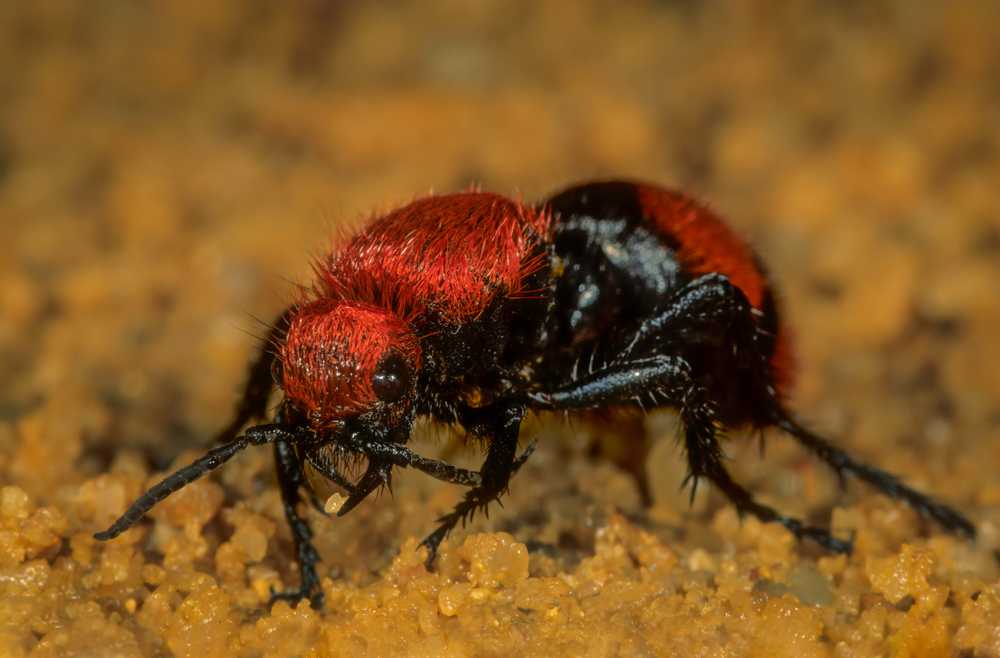
The cow killer, scientifically known as Dasymutilla occidentalis, is the largest velvet ant species in its genus. Despite its name, this insect is not truly an ant but a type of wasp. Its moniker originates from the intense pain of its sting, which is said to feel like it could “kill a cow”. These insects are known for their striking appearance, with females often showcasing vivid red and black coloration, hence their nickname, the red velvet ant.
These wasps are diurnal creatures, meaning they are active from sunrise to sunset. Their bright colors serve as a warning to potential predators about their painful sting, a feature that has earned them their fearsome reputation in the wild.
But as we will explore, there’s much more to these fascinating insects than meets the eye.
Geographic Range and Habitat
The cow killer can be found across a wide geographic range, spanning from New York to Florida in the east and from Missouri to Texas and Arizona in the west. These resilient insects have adapted to a variety of environments, thriving in areas with well-drained, sandy, or gravelly soil, which is ideal for their nesting chambers.
Their preferred habitats include meadows, clover fields, forest edges, and deserts. This adaptability allows them to survive in both lush meadows and arid deserts, making them a common sight across their extensive range. Whether you’re in the northern reaches of Connecticut or the southern tip of Florida, you might just encounter this remarkable species.
Physical Characteristics
One of the most striking features of this wasp is its aposematic coloration, which serves as a warning to predators. The black body with bright red markings on the dorsal surface of the head, thorax, and abdomen creates a vivid contrast that is hard to miss. This bold coloration is not just for show; it’s a practical defense mechanism.
Adult cow killers can grow up to 1.9 cm (0.75 in) in length, making them the largest velvet ant species in their group. Females are typically larger than males and are wingless, relying on their rapid terrestrial movement to navigate their environment. Males, on the other hand, are equipped with transparent black wings and can fly.
Interestingly, males do not possess a stinger, unlike their female counterparts, who can deliver a powerful and painful sting. This difference in physical characteristics between the sexes is a common trait among velvet ants, adding another layer of complexity to these fascinating insects.
Life Cycle and Reproduction
The life cycle of this species is a tale of transformation and survival. These insects undergo complete metamorphosis, progressing through stages from:
- Egg
- Larva
- Pupa
- Adult
Living solitary lives, male cow killers detect females through pheromones and stridulation sounds. Once mating occurs, the female lays her eggs on the immature stages of ground-nesting wasps and bees, serving as a parasite to these hosts.
These wasps are versatile in their choice of habitats, from semi-arid scrublands to lush meadows. This adaptability ensures that they can find suitable environments to complete their life cycle, regardless of the varied climates they inhabit.
Mating Behavior
Mating among these insects is a carefully orchestrated process. Males use their keen senses of sight and smell to detect the pheromones released by females. Unlike the wingless females who walk on the ground, males fly low over the terrain in search of a mate.
Upon locating a female, the male will carry her to a sheltered spot where mating takes place. This behavior ensures that the mating process occurs in a safe environment, minimizing the risk of predation and environmental hazards.
Egg Laying and Larval Development
After mating, females seek nesting chambers of solitary wasps, where she lays her eggs on the host larvae. Upon hatching, the larvae feed on the host’s larvae or pupae, deriving nourishment essential for their development.
The several larval stages involve multiple growth phases, where the larvae consume the host larva until they are ready to pupate. This parasitic relationship ensures that the larvae have a reliable food source, enabling them to successfully progress through their life cycle.
Diet and Feeding Habits
Adult cow killers primarily sustain themselves on nectar, which provides them with the necessary energy for their active lifestyles. This diet not only benefits the insects but also plays a role in pollination, contributing to the ecosystem.
In addition to nectar, adults may also consume larvae and various adult insects, including beetles. This opportunistic feeding behavior ensures they get the required nutrients to thrive in their diverse habitats.
Defensive Mechanisms
This species is well-equipped with several defensive adaptations that make it a formidable insect. Females possess a powerful sting that can be delivered multiple times, causing intense pain. This sting is often rated higher in pain than many wasp and bee stings, deterring potential predators, and those who have been stung often describe the experience as excruciating.
Another significant defensive trait is their thick exoskeleton, which is substantially stronger than that of a honeybee. This armor-like feature protects them from physical harm and makes it difficult for predators to injure them.
Additionally, these wasps have a stridulatory organ that produces audible sounds when threatened. This sound serves as an additional deterrent, warning predators to stay away from this well-defended insect.
Misconceptions and Myths
The cow killer’s name is a source of many misconceptions. Contrary to popular belief, these insects cannot kill a cow. The name originates from the extreme pain caused by their sting, not from any lethal capability. Their sting, while excruciatingly painful, is not life-threatening to humans or larger animals.
Despite their fearsome reputation, these insects are not aggressive and typically avoid human contact. Their defensive behaviors are primarily a means of self-protection rather than aggression.
Understanding these misconceptions is crucial in appreciating the true nature of these wasps. They are fascinating creatures with unique adaptations but pose minimal threat to humans.
Interaction with Humans
Cow killers occasionally find their way into human homes, although they rarely reach pest status. Their painful sting can cause concern for homeowners, making professional pest control services necessary for effective management.
For those encountering these insects, professional pest control services are recommended. They can offer expert solutions to manage these and other pests, ensuring safety and peace of mind for homeowners.
These wasps are not listed on any conservation threat level by the IUCN or governmental agencies. This species is currently considered safe and does not face significant threats to its population.
Moreover, they do not typically reach pest status, and their venom is not particularly toxic to humans or mammals. Their reputation for pain is well-deserved, but they pose no significant risk to large animals or humans.
Interesting Facts
Did you know that there are about 100 species of velvet ants found in California? Some of these species exhibit nocturnal behavior, being active primarily at night.
The cow killer is most frequently observed during the summer months, which is when their vivid coloration and unique behaviors are most noticeable. These fascinating tidbits add to the allure of this intriguing insect.
The cow killer, or red velvet ant, is a fascinating insect with a reputation that precedes it. Despite the myths surrounding their sting, these insects are not a significant threat to humans or animals. Their striking appearance, unique life cycle, and defensive mechanisms make them a subject of both fear and fascination.
Understanding the true nature of these wasps helps dispel the myths and appreciate their role in the ecosystem. While their sting is undeniably painful, they are not aggressive and prefer to avoid human contact. Embracing this knowledge allows us to coexist with these remarkable creatures.
Frequently Asked Questions
Can cow killer ants kill a cow?
They cannot kill a cow; their name refers to the intense pain caused by their sting, not their lethality.
Where can cow killer ants be found?
They can be found from New York to Florida and as far west as Missouri, Texas, and Arizona. Their wide distribution makes them notable across various regions in the United States.
Are cow killer ants aggressive?
They are not aggressive and typically avoid human contact. They have a painful sting, but they prefer to stay away from potential threats.
What do adult cow killer ants eat?
Adults primarily eat nectar, but they may also consume larvae and adult insects, including beetles. This diverse diet supports their energy needs and survival.
Should I contact pest control if I find cow killer ants in my home?
Yes, it is advisable to contact pest control if you find these insects in your home, as they can effectively manage the situation. Professional services ensure a thorough and safe removal of these pests.
"*" indicates required fields
"*" indicates required fields