 Agents Available 24/7
The Best Ways to Use Diatomaceous Earth for Fleas: A Complete Guide
Using diatomaceous earth can be a safe and effective way to deal with fleas. This guide explains what diatomaceous earth is, how it works to eliminate fleas, and the best practices for applying it in your home and on your pets.
- Diatomaceous earth (DE) is effective for flea control due to its abrasive nature, which dehydrates and kills fleas on contact.
- Food-grade diatomaceous earth is non-toxic and safe for use around pets and humans, whereas pool-grade diatomaceous earth should be avoided for pest control.
- DE does not stop flea reproduction, cannot eliminate flea eggs or pupae, and humid conditions reduce its effectiveness, necessitating the use of additional flea control methods.
What is Diatomaceous Earth?
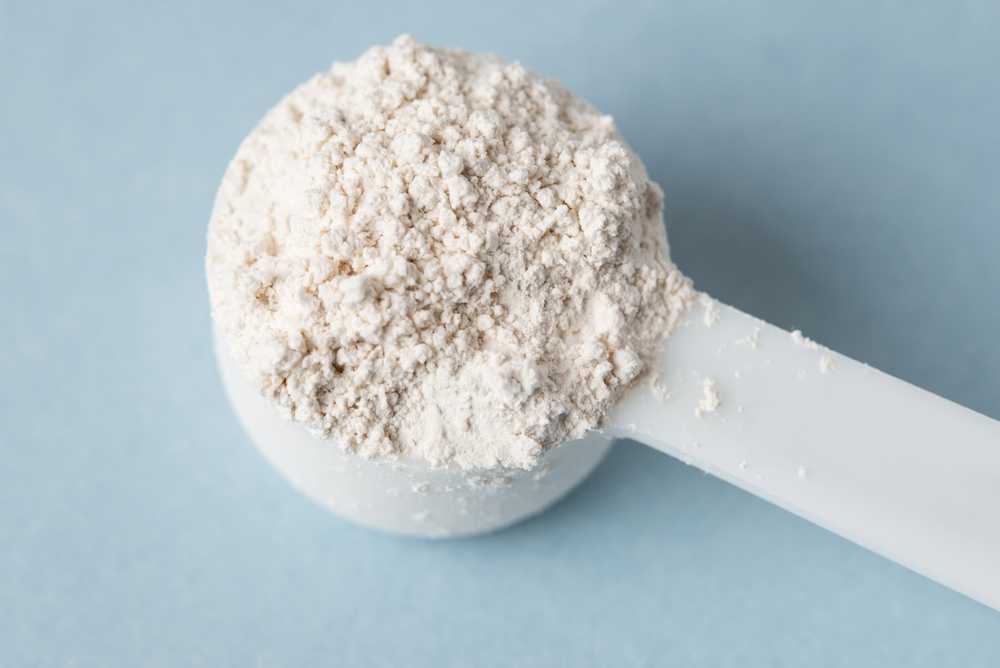
Diatomaceous earth powder is a fine powder made from the fossilized remains of tiny aquatic organisms called diatoms. These single-celled organisms have silica-based skeletons that accumulate over time in sediment from bodies of water. The result is a natural substance rich in silica with numerous applications, particularly in pest control.
Diatomaceous earth comes in two primary varieties: food grade and pool grade. Food grade diatomaceous earth is safe for use around pets and humans and is the type recommended for flea control. In contrast, pool grade diatomaceous earth is treated with chemicals and should not be used for pest control in homes.
The unique properties of diatomaceous earth make it an effective tool in flea control. Its abrasive nature disrupts the insect’s exoskeleton on a microscopic level, leading to the pest’s dehydration and death. This process is what makes diatomaceous earth a powerful ally in the fight against fleas.
How Diatomaceous Earth Works Against Fleas
Diatomaceous earth works against fleas through its abrasive nature, which damages the insect’s exoskeleton. When fleas come into contact with DE, the sharp edges of the fine powder cut through their outer shell, causing them to lose moisture and dehydrate. This process is deadly to fleas, leading to their eventual death.
The dehydration process is not immediate but is very effective. Fleas typically start to die within a few hours of contact with DE. This makes diatomaceous earth not just a quick solution but also a thorough one, ensuring that both adult fleas and flea larvae are affected.
For those seeking natural flea control, using diatomaceous earth is an excellent option. It not only kills fleas but does so without introducing harmful chemicals into your home environment. This makes it a preferred choice for many pet owners and households looking to get rid of fleas naturally.
Using Diatomaceous Earth to Kill Fleas
Using diatomaceous earth to kill fleas involves two main applications: treating your home and treating your pets. Each requires a careful approach to ensure safety and effectiveness. Before applying DE, it’s crucial to understand the proper techniques and precautions to maximize its flea-killing potential.
Applying Diatomaceous Earth in Your Home
Before applying diatomaceous earth in your home, thoroughly vacuum to remove existing fleas and larvae, making DE more effective. Once your home is prepped, spread a thin, even layer of DE powder across carpets, pet bedding, hardwood floors, and other treated areas where fleas are likely to be present.
For outdoor application, you might need a larger quantity of DE due to environmental factors like wind and rain. After spreading diatomaceous earth, allow it to remain in place for 24 to 48 hours to ensure it works on both adult fleas and flea larvae. Once the application period is over, vacuum the treated areas and wipe down any hard surfaces to remove the DE and dead fleas.
Correctly spreading diatomaceous earth can significantly reduce flea populations in your home. Always wear a dust mask and gloves to avoid inhaling the powder and to prevent irritation of the nasal passages and skin during the process.
Using Diatomaceous Earth on Pets
Using diatomaceous earth on pets requires utmost safety. Direct application of DE on pets is discouraged unless specifically advised by a veterinary writer or veterinarian. If you choose to apply DE, ensure it is food-grade to avoid health risks
When applying DE to pet bedding, sprinkle a light layer and allow it to sit for a few days before washing the pet bedding in hot water to remove any remaining fleas or flea larvae. Be careful to avoid your pet’s eyes and snout to prevent irritation. Additionally, using a flea comb can help remove dead fleas and any remaining DE powder from your pet’s skin and fur.
Using DE on pets can be an effective part of a broader flea control strategy. Although it might cause slight dryness, it is generally safe and can help stop flea reproduction by targeting areas where fleas are most likely to bite pets.
Safety Tips for Using Diatomaceous Earth
Safety should be your top priority when using diatomaceous earth. Always wear protective gear such as a dust mask and eye protection to avoid inhaling the fine powder. Diatomaceous earth can irritate the eyes, skin, and nasal passages, so it’s crucial to handle it with care.
Keep children, pets, and non-essential individuals away during the application process. Choose products specifically intended for pest control and labeled as safe for home use. Using food-grade diatomaceous earth ensures a safe and effective product.
After applying DE, vacuum and wipe down surfaces thoroughly after a few days to ensure all the powder and dead fleas are removed. These safety tips help you use diatomaceous earth effectively while protecting your health and household.
Limitations of Diatomaceous Earth for Flea Control
While diatomaceous earth is effective against adult fleas and flea larvae, it has its limitations. DE does not affect flea eggs or pupae, meaning these stages of the flea life cycle can still thrive. This limitation can lead to reinfestation if not addressed with supplementary flea control methods.
Humidity is another factor that can compromise the effectiveness of DE. In humid conditions, DE’s ability to dehydrate fleas diminishes significantly. This makes it less effective in certain climates or during particular seasons.
Despite its quick action against adult fleas, DE alone cannot stop flea reproduction, making it an incomplete solution for long-term flea control. Recognizing these limitations helps integrate DE into a more comprehensive flea prevention strategy.
When to Seek Professional Pest Control
Sometimes, even the best DIY methods are not enough to control a severe flea infestation. If you find that diatomaceous earth is ineffective or the infestation is too widespread, it may be time to seek professional pest control services. Professional exterminators have the tools and expertise to handle severe flea cases effectively.
Alternatives to Diatomaceous Earth
If diatomaceous earth is not enough, or if you’re seeking additional methods for flea prevention, there are several alternatives. Chemical treatments such as spot-on products with Imidacloprid, tablets like Nexgard, and flea collars like Seresto can be very effective. These options provide a targeted approach to flea control.
For those preferring natural methods, here are some effective options:
- Borax, which dehydrates fleas and their eggs
- Natural flea collars infused with essential oils, which repel fleas naturally
- Beneficial nematodes, which can be introduced to your yard to target flea larvae
Professional exterminators can also offer long-term solutions and preventive advice to help you avoid future flea problems. Integrating these alternatives with diatomaceous earth can provide a comprehensive approach to flea prevention.
Diatomaceous earth is a powerful, natural tool for flea control, but it works best when integrated into a broader flea prevention strategy. By understanding how DE works and its limitations, you can effectively use it to reduce flea populations in your home and on your pets.
Remember, safety is paramount when using DE, and sometimes professional help is necessary for severe infestations. With the right approach, you can maintain a flea-free environment and ensure the comfort and health of your household.
Frequently Asked Questions
What is the best type of diatomaceous earth to use for flea control?
Food grade diatomaceous earth is the best choice for flea control due to its safety for both pets and humans. Opt for this type to effectively manage flea infestations.
How long should diatomaceous earth be left in place to be effective?
For optimal effectiveness, diatomaceous earth should be left in place for 24 to 48 hours before vacuuming. This duration allows it to effectively kill fleas and their larvae.
Can diatomaceous earth be used directly on pets?
It is best to avoid direct application of diatomaceous earth on pets unless specifically recommended by a veterinarian or veterinary writer. If used, ensure it is food-grade and keep it away from their eyes and snout.
What are some alternatives to diatomaceous earth for flea prevention?
Consider using chemical treatments such as spot-on products and tablets, or natural alternatives like borax and essential oil collars. Professional extermination services are also an effective option for flea prevention.
When should professional pest control be considered for a flea infestation?
Professional pest control is advisable when diatomaceous earth fails to work or if the flea infestation is severe and extensive. Taking action promptly can help prevent further spread and ensure effective eradication.
"*" indicates required fields
"*" indicates required fields