 Agents Available 24/7
Understanding the Eastern Cicada Killer Wasp
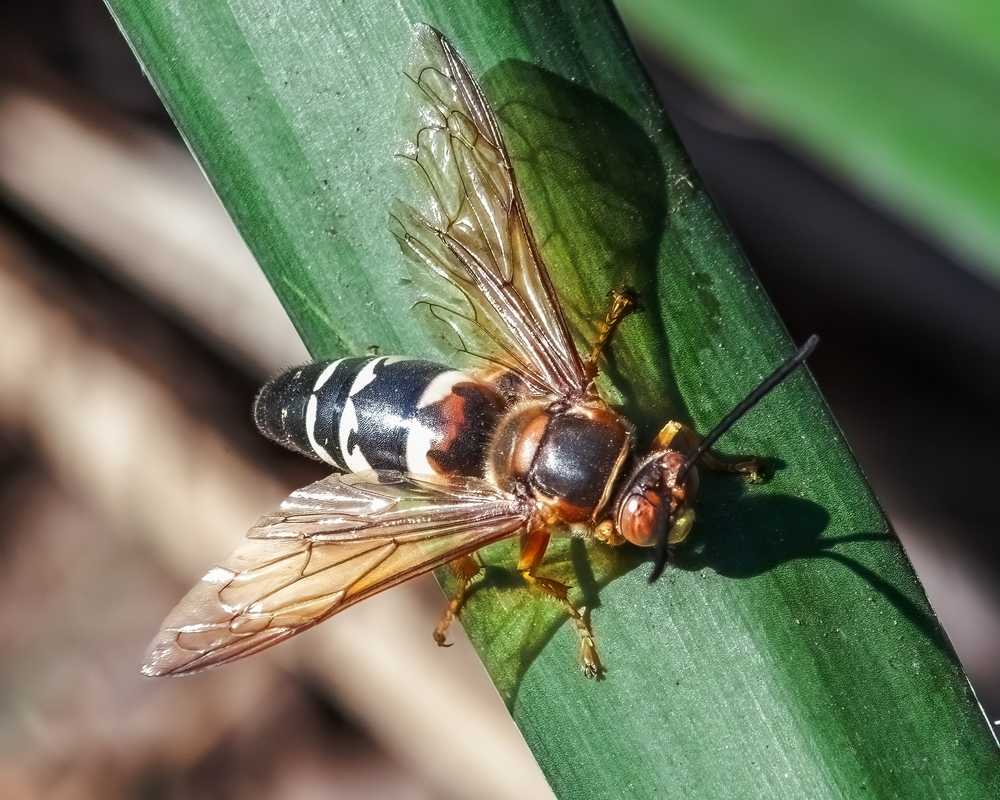
The eastern cicada killer (Sphecius speciosus) is a large solitary wasp belonging to the order Hymenoptera, renowned for hunting cicadas but generally posing little threat to humans. This article delves into the fascinating life cycle, distinctive behavior, and effective management strategies for these unique insects in your garden or lawn.
- The life cycle of the eastern cicada killer includes four main stages: egg, larva, pupa, and adult, with a remarkable egg-laying process involving paralyzed cicadas as nourishment for larvae.
- Eastern cicada killer wasps are solitary wasps that prefer well-drained, loose, light-textured soil for digging nest tunnels and exhibit specialized hunting techniques marked by capturing and paralyzing cicadas.
- Cicada killer wasps pose minimal risk to humans due to their non-aggressive nature. Management practices include lawn maintenance, reducing bare soil, and professional pest control when necessary.
Life Cycle of the Eastern Cicada Killer Wasp
The life cycle of the eastern cicada killer wasp is a captivating progression through four critical stages: egg, larva, pupa, and adult. Each stage is essential for the survival and propagation of this solitary species.
From the moment the female cicada killer captures and paralyzes her prey to the emergence of adults from underground burrows, this lifecycle is a fine example of evolutionary adaptation.
Egg Laying Process
The egg-laying process begins when the female cicada killer stings and paralyzes a cicada, which remains alive but immobilized. She then carries the cicada back to her burrow entrance and places it carefully inside a nest cell. The female lays her eggs directly onto the paralyzed cicada, ensuring the larvae have immediate access to fresh food upon hatching.
Male eggs are typically laid on one or two cicadas, whereas female eggs receive two or three cicadas to accommodate the greater nutritional needs of female wasps requiring more food. After egg deposition, the female seals the nest cell with soil, protecting the developing offspring from predators and environmental hazards.
Larval Development
Upon hatching, the cicada killer larva begins feeding on the paralyzed cicada, which remains alive due to the wasp’s venom but is incapable of movement. This fresh food source sustains the larva for about two weeks, during which it consumes nearly the entire cicada except for the exoskeleton.
As the larva grows, it molts several times, shedding its skin to accommodate its increasing size. This stage is critical for accumulating energy reserves necessary for the subsequent pupation phase. The mature larva eventually spins an earthen cocoon within the nest tunnels.
Pupation and Adult Emergence
Following larval development, the cicada killer larva forms a protective cocoon within the nest burrow and enters pupation. This transformation occurs in the fall, with adults emerging from the soil by mid-September of the following year.
The timing of adults emerge is synchronized with the seasonal availability of cicadas, ensuring ample prey for the next generation. This intricate life cycle highlights the adaptability and ecological role of the eastern cicada killer.
Behavior and Habits
Eastern cicada killer wasps exhibit intriguing behaviors shaped by their solitary lifestyle. Unlike social bees and wasps, these solitary wasps build individual nests and display unique hunting and territorial behaviors.
Nesting Preferences of Solitary Wasps
Female cicada killers prefer to dig burrows in well-drained, loose, light-textured soil with minimal vegetation and full sunlight exposure. Typical nesting sites include sandy patches in flower beds, lawns, golf courses, and along the edges of concrete slabs.
Nests feature 1.5-inch diameter openings and can reach depths of up to four feet. Females construct multiple nest cells branching off the main tunnel, sometimes creating secondary tunnels to accommodate more offspring. This solitary nesting contrasts with the communal colonies of social wasps and hornets.
Hunting and Paralyzing Cicadas
Female cicada killers are expert hunters, using keen eyesight and powerful hind legs to locate cicadas in trees and shrubs. Upon spotting prey, the female stings to paralyze the cicada, which remains alive but immobilized. She then transports this heavy prey back to the burrow entrance, often flying to nearby trees to gain altitude before the flight.
This hunting strategy is vital, providing fresh, live food for the larvae and ensuring successful development. The ability to carry prey heavier than themselves is an impressive feat of aerodynamics and strength.
Territorial Behavior of Male Wasps
Male wasps display territorial aggression, patrolling areas around female nests and chasing away rival males and other insects. Despite their intimidating behavior, males lack stingers and cannot sting.
Their primary role is to secure mating opportunities by defending territories where females emerge. Males often engage in aerial combat, locking in midair battles to establish dominance. This behavior can appear threatening but poses no danger to humans.
Seasonal Activity and Lifespan
Eastern cicada killers typically emerge as adults in late June or early July and remain active until mid-September. Males usually emerge first, establishing territories and searching for mates, while females focus on nesting and hunting. The adults have a relatively short lifespan, with most dying off by early fall after completing their reproductive cycle.
Interaction with Humans
Eastern cicada killer wasps are generally non-aggressive and rarely sting humans unless provoked or handled roughly. Their solitary nature means they do not defend colonies, reducing the likelihood of stinging incidents.
Sting Risk and Safety
Only female cicada killers possess a powerful sting, which they reserve for subduing cicadas or self-defense. Males are harmless, lacking stingers altogether. For most people, stings are rare and comparable to a mild bee sting.
Understanding this behavior can help alleviate fears and promote coexistence with these beneficial insects.
Impact on Lawns and Gardens
The burrowing activity of cicada killers can create noticeable holes and soil mounds in lawns and gardens, potentially affecting aesthetics. However, these wasps contribute positively by aerating soil and controlling cicada populations that can damage young trees.
To minimize unwanted nesting, maintaining healthy turf, watering to discourage digging in wet soil, and filling bare patches can be effective preventive measures.
Beneficial Ecological Role
Eastern cicada killers play an important role in natural pest control by preying on cicadas, which can be harmful to trees and shrubs during their feeding cycles. Their presence helps maintain a balanced ecosystem, reducing the need for chemical pesticides.
Comparison with Other Insects
Understanding how eastern cicada killers differ from similar insects aids in proper identification and management.
Though often mistaken for giant hornets due to their size, eastern cicada killers are generally smaller (1 to 1.5 inches) with elongated bodies and distinctive black-and-white broken band patterns on their abdomens. Giant hornets are larger (1.5 to 2 inches) with robust bodies and unbroken orange and brown bands.
These physical distinctions, along with behavioral differences, help differentiate the two species.
Solitary Wasps versus Social Wasps
Eastern cicada killers are solitary wasps, building individual nests without social colonies. In contrast, social wasps like yellow jackets and hornets live in hierarchical colonies, aggressively defending their nests.
Solitary cicada killers exhibit less defensive behavior, making them less of a threat to humans.
Managing Cicada Killer Wasps
Effective management of cicada killer wasps involves identifying nesting sites, employing cultural controls, and, if necessary, professional pest management.
Look for small holes with excavated soil mounds in sunny, bare, or sparsely vegetated areas with loose, sandy soil. Presence of cicadas nearby often indicates active nesting.
Preventive Cultural Practices
Maintaining dense, healthy turf reduces bare soil preferred for nesting. Watering dry areas discourages burrowing, and filling bare patches with mulch or grass seed limits suitable nesting spots.
Avoiding soil disturbance during peak wasp activity (late June through mid-September) can reduce encounters.
Professional Pest Control
When cicada killer populations become problematic, targeted treatments such as insecticidal dust applied directly to burrow entrances can be effective. It is crucial to keep burrow openings uncovered to allow wasps to enter treated areas.
Consulting extension entomologists or licensed pest control professionals ensures safe and effective management.
Natural Predators and Parasites
Eastern cicada killers face threats from natural enemies such as parasitic velvet ants (also known as “cow-killer” wasps) that lay eggs in cicada killer nests. The parasitic larvae consume the cicada killer pupae, naturally regulating their populations.
Understanding these ecological relationships can inform integrated pest management strategies.
Additional Insights and Historical Context
The eastern cicada killer has been extensively studied by entomologists, including the renowned Howard Ensign Evans, whose comprehensive research published in Entomological News provides valuable insights into their biology and behavior.
Adults typically emerge in late June, aligning their lifecycle with cicada availability, a strategy that enhances their survival and reproductive success.
The eastern cicada killer wasp is a fascinating solitary insect with a unique lifecycle and behavior centered on hunting cicadas and nurturing their young underground. Though intimidating in appearance, they pose minimal risk to humans and play a beneficial role in controlling cicada populations.
Through understanding their biology, behavior, and habitat preferences, gardeners and homeowners can coexist peacefully with these wasps and earwigs, employing management strategies only when necessary.
Frequently Asked Questions
What stages are involved in the life cycle of the eastern cicada killer wasp?
The lifecycle includes four stages: egg, larva, pupa, and adult, with larvae feeding on paralyzed cicadas before pupating underground.
How do female cicada killers ensure their larvae have food?
Females paralyze cicadas and place them in nest cells, laying eggs directly on the prey to provide fresh nourishment for larvae.
Are cicada killer wasps aggressive towards humans?
No, females sting only when provoked, and males lack stingers entirely, making them generally harmless.
How can I distinguish cicada killers from giant hornets?
Cicada killers are smaller with elongated bodies and black-and-white broken bands, while giant hornets are larger and have unbroken orange-brown bands.
What are effective ways to manage cicada killer wasps in my garden?
Maintain healthy, dense turf, fill bare soil patches, water dry areas, and consult professionals for targeted pest control if necessary.
Can cicada killers be beneficial to the environment?
Yes, they help control cicada populations, reducing damage to trees and contributing to natural pest management.
What natural predators affect eastern cicada killers?
Parasitic velvet ants and some bird species prey on cicada killers, helping regulate their population naturally.
"*" indicates required fields
"*" indicates required fields