 Agents Available 24/7
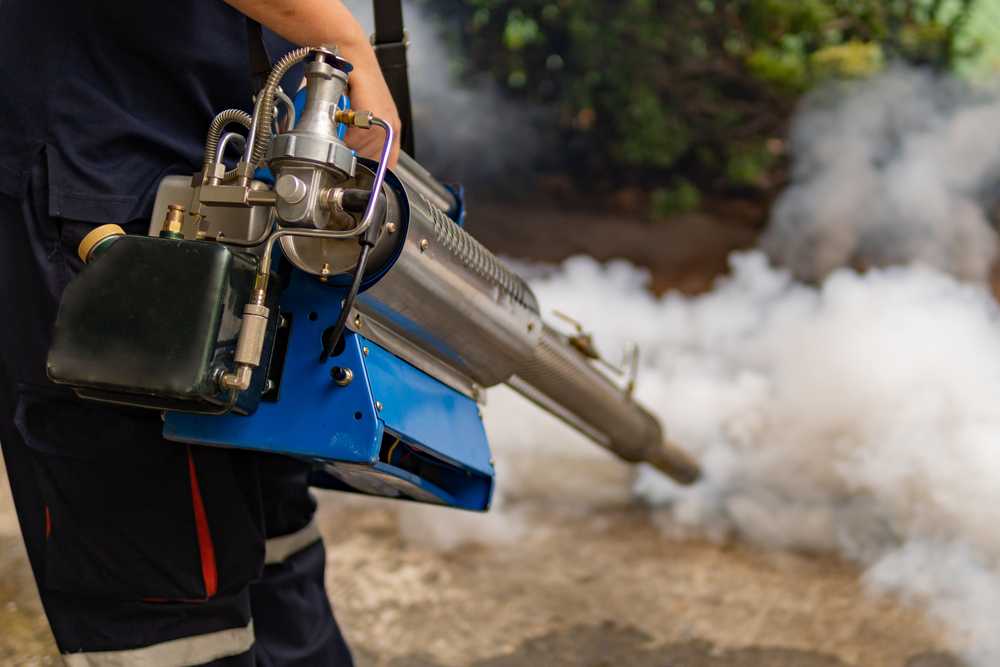
Effective Fumigation Techniques: Protect Your Home from Pests
Fumigation is a powerful method for eradicating severe pest infestations in homes. If you’re dealing with pests that won’t go away, understanding fumigation can help you tackle the problem effectively. This article explains what fumigation is, when you might need it, how it’s done, and what to expect in terms of cost and safety.
- Fumigation is an effective pest control method that utilizes gaseous pesticides to eradicate pests from the entire structure, especially in cases of severe infestations.
- Professional inspections are essential to identify the need for fumigation, as they assess the type and severity of the infestation through various signs such as droppings and damaged wood.
- The fumigation process involves critical stages including preparation, execution, and post-treatment safety measures, ensuring a safe and pest-free environment upon completion.
Understanding Fumigation
Fumigation is an effective pest control technique. It employs gaseous pesticides to eradicate pests from the entire structure that has been fumigated. This process is especially effective when dealing with severe infestations that other pest control methods fail to address. Treating the entire structure with gaseous pesticides ensures that pests at any life stage are eradicated.
Structural fumigation targets a variety of pests, including destructive intruders like drywood termites and woodborers. These pests can cause significant damage to the framework of your home, making it essential to eliminate them completely. The fumigation process involves sealing the environment to contain the gases, thereby ensuring that every corner of the structure is treated.
Fumigation aims to offer a comprehensive solution by eliminating pests from an entire structure. This method is usually recommended when infestations are persistent and other measures have proven ineffective. Following a series of well-defined steps, fumigation effectively controls pests, making your home safe and pest-free.
Identifying the Need for Fumigation
Determining the right time to fumigate is crucial for maintaining a pest-free environment. Professional inspections play a vital role in identifying the need for fumigation. Licensed pest control experts assess the situation, determining the type of pest and the severity of the infestation.
Various signs indicate the necessity of fumigation. Inspectors look for evidence such as droppings, damaged wood, or visible pests to gauge the extent of the problem. Factors like climate can also influence pest activity, with certain conditions increasing the likelihood of infestations.
You should inform your pest control service about any pets to tailor the fumigation process accordingly. This ensures that all living things in your home are considered, and the treatment is as safe and effective as possible. Recognizing these indicators enables homeowners to make informed decisions about pest management and the need for structural fumigation.
The Fumigation Process Explained
Fumigation is a detailed and meticulous procedure designed to eliminate pests effectively. Whole-house fumigation becomes necessary when other pest control methods fall short. This process involves several critical stages, including preparation, the actual fumigation, and post-treatment steps to ensure safety and effectiveness.
Let’s explore each of these stages in detail.
Preparing for Fumigation
Preparation is crucial for successful fumigation. The initial step involves evacuating all humans and pets from the premises to create a sealed environment necessary for fumigation. Homeowners must remove all food and drink not stored in airtight containers, living plants, and certain mattresses. This preparation work is essential for effective results.
Special bags are used to protect unsealed food and medicines during fumigation. Additionally, outdoor plants should be watered up to 18 inches from the house, and foliage must be trimmed back to facilitate the fumigation tarps. These steps ensure that the environment is adequately prepared for effective pest control.
A properly sealed environment is crucial for successful fumigation. Thorough preparation helps the fumigants penetrate every corner of the structure, ensuring a pest-free home.
During Fumigation
Fumigation begins once the environment is sealed. Tenting the entire structure helps contain the fumigant gas, ensuring its concentration within the treated area. Containment is critical for effectively eliminating pests, particularly termites.
Once released, fumigants like sulfuryl fluoride begin acting on the pests within the sealed environment. The gas specifically targets termites, leading to their complete eradication during the process. The fumigation lasts for a predetermined period to ensure thorough treatment.
Strict guidelines must be followed throughout the process to maintain safety and effectiveness. Certified applicators ensure the fumigation is conducted properly, adhering to safety protocols and achieving desired results.
Post-Fumigation Procedures
After fumigation, the sealed space must be adequately ventilated before reoccupation. This involves allowing the gas to escape completely from the home, ensuring that it is safe for residents to return. Inspectors check for treatment success and any remaining pests.
Successful fumigation results in a safe and pest-free environment. Safety checks, including air quality measurements, confirm the home is safe to re-enter. Since the gas dissipates without leaving residue, there’s no need to wash dishes or laundry after fumigation. This comprehensive approach ensures that the fumigation process is both effective and safe for homeowners.
Costs Associated with Fumigation
Understanding fumigation costs is essential for homeowners considering this pest control method. The average cost for fumigation services ranges between $2000 and $8000, depending on various factors. The price per square foot typically falls between $1 and $4.
Several elements influence the overall cost of fumigation. The type of pest and the severity of the infestation significantly influence the price. Dealing with invasive pests like termites usually results in higher costs due to the complexity and extent of the treatment required.
Additionally, the size of the area being treated and the need for specialized equipment and chemicals can add to the expense. These cost factors can help homeowners budget effectively and make informed pest management decisions.
Ensuring Safety During Fumigation
Safety is paramount during fumigation. Evacuation of all humans and pets is mandatory before the fumigation begins. Licensed experts and certified applicators adhere to strict safety protocols to ensure the process is conducted safely.
Certified applicators are the only professionals qualified to handle certain fumigants, ensuring effective and safe fumigation. Homeowners should read pesticide treatment labels and consult veterinarians for pet safety. Using pet-friendly pesticides can also minimize risks to animals during pest control operations.
Following these safety protocols and working with certified professionals ensure the fumigation process is safe for all occupants while effectively eliminating pests.
Preventative Measures Against Future Infestations
Preventing future pest infestations involves a combination of strategies to eliminate food, water, and shelter sources for pests. Regular removal of garbage and proper food storage in sealed containers can help deter pests. Fixing leaks and preventing water accumulation reduce pest attraction. Learn more about what causes a rat infestation to better protect your home.
Additionally, reducing clutter and organizing spaces can prevent pests from finding hiding spots in your home. Sealing entry points like cracks and crevices prevents pests from entering the home. Inspecting packages for pests before bringing them into the home can prevent potential infestations.
These preventative measures can effectively control pests and protect your home from future infestations. To maximize results, be sure to avoid mouse trap mistakes.
Fumigation is a powerful tool in the fight against pests, offering a comprehensive solution to severe infestations. Understanding the fumigation process, recognizing the signs that indicate the need for it, and knowing how to prepare and ensure safety are critical steps for homeowners. By investing in professional pest control services, homeowners can protect their homes and enjoy a pest-free environment. Take proactive steps today to secure your home from unwanted pests.
Frequently Asked Questions
Is fumigation safe for humans?
Fumigation is not safe for humans, as it involves the use of toxic gases like sulfuryl fluoride that can cause severe health issues, including respiratory irritation and potentially fatal effects at high exposures. Therefore, it is crucial to adhere to safety precautions and evacuation protocols during fumigation processes.
What is the fumigation process?
Fumigation is a pest control method that utilizes a lethal gas to effectively exterminate pests in an enclosed space, often achieved by sealing the structure with plastic or using a vinyl-coated nylon tent. This ensures complete eradication of pests in the treated area.
What types of pests does PURCOR manage?
PURCOR effectively manages a variety of pests, including ants, mice, spiders, roaches, rodents, and seasonal invaders. You can trust PURCOR for comprehensive pest control solutions.
What can customers expect from PURCOR Pest Solutions regarding rodents?
Customers can expect licensed professionals from PURCOR Pest Solutions to effectively control and remove rodents from their property. Their expertise ensures a thorough and reliable service.
What resources does PURCOR offer for questions about termites?
PURCOR offers various resources for inquiries regarding termite bonds, potential damage caused by termites, and information on different termite species. You can utilize these resources to gain comprehensive insights into termite-related concerns.
"*" indicates required fields
"*" indicates required fields