 Agents Available 24/7
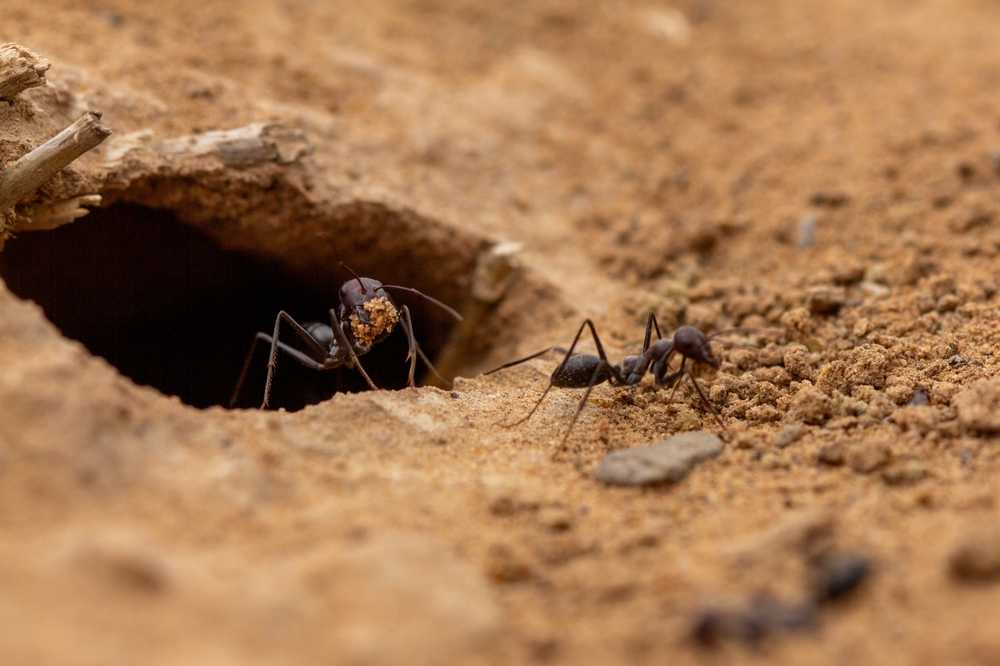
How Long Do Ants Live? A Simple Guide to Their Lifespan
The lifespan of an ant varies widely among different ant species and castes within a colony. While queen ants can live up to 28 years, male ants typically survive only about one week. Understanding how long ants live involves exploring their ant life cycle, the roles of different ant castes, and environmental factors influencing their longevity.
Understanding Ant Lifespans
Ants’ lifespans range from a few weeks to several decades, depending largely on ant species, caste, environmental conditions, and genetics. External threats such as predators, food scarcity, and habitat quality also play significant roles in determining how long ants live.
The ant’s role within the colony significantly impacts its life expectancy. For example, male ants usually live only one to two weeks, primarily to mate, while reproductive queen ants live for many years to maintain the colony’s health and reproduction. Worker ants generally live for a few months to a couple of years, depending on species and conditions.
The Ant Life Cycle
Ants undergo a short life cycle with complete metamorphosis through four distinct stages: ant eggs, ant larvae, pupa, and adult ant. Each stage is crucial for the entire colony’s health and the individual ant’s development.
Egg Stage
The egg stage typically lasts one to two weeks. The ant queen lays both fertilized eggs and unfertilized eggs, which develop into female worker ants or male ants, respectively, based on the colony’s needs. Selective fertilization plays a significant role in maintaining the right balance of different castes within the colony.
Larva Stage
After the egg hatches, the ant larvae are completely dependent on other workers for food and protection. The amount and quality of nutrition during this stage determine the ant’s future caste—worker ants, soldier ants, or virgin queens. This stage usually lasts one to two weeks and is critical for the ant’s development and caste determination.
Pupa Stage
The pupa stage is the next stage in the ant life cycle, lasting several weeks (one to four weeks). During this phase, ants develop adult features such as legs, eyes, and wings. Worker ants protect the pupae during this vulnerable phase, preparing them for their roles in the colony.
Adult Stage
Upon reaching adulthood, ants take on their specific roles within the ant colony. Their average lifespan varies based on caste and species, with queen ants living the longest, followed by worker ants and male ants.
Lifespan of Different Ant Castes
Queen Ants
Queen ants have the longest lifespan, typically living between 10 and 20 years, with some species reaching beyond 28 years. Their primary role is laying eggs to sustain the colony’s growth and stability. The queen ant’s life span is essential for the survival of the entire colony, as she is the only reproductive female in most species. Ant queens live protected deep inside the nest, which helps them avoid predators and environmental hazards.
Worker Ants
Worker ants perform essential duties such as foraging, caring for larvae, and maintaining the nest. Their lifespan varies by species and environmental conditions; for example, odorous house ant workers live 2 to 3 years, while fire ant workers survive about 5 weeks. Generally, worker ants live for a few months, but this can extend under favorable conditions. During food scarcity, worker ants reduce consumption to conserve energy and support the overall health of the colony.
Male Ants
Male ants usually live only about one week, with their sole purpose being to mate with the queen. After fulfilling this role, they die shortly thereafter.
Lifespan Differences Among Different Species
Ant species exhibit a wide range of lifespans. Some species live for several months, while others, particularly queens, can live for decades. For instance, carpenter ant workers can live up to 7 years, whereas Pharaoh ant workers typically live around 70 days. These differences highlight how different species adapt their life spans according to their ecological niches and colony needs.
Environmental Factors Influencing Lifespan
The availability of food, shelter quality, predation by other insects, and competition greatly affect ants’ lifespans. Adequate food sources and favorable habitat conditions contribute to longer life spans, while external threats and unsanitary conditions reduce survival rates. Ants live longer in protected environments with abundant resources, as opposed to harsh or competitive habitats.
How Long Can Ants Survive Without Food or Water?
Queen ants can survive up to two weeks without food, while worker ants typically survive one to two weeks. Dehydration is more critical, with ants surviving approximately five days without water. Prolonged food scarcity impairs egg laying and nest maintenance, threatening the colony’s well-being.
The Role of Sleep in Ant Longevity
Ants take multiple short naps throughout the day, totaling around four to five hours of rest. These brief rest periods help conserve energy, promote physical recovery, and support memory consolidation, all of which contribute to their survival and longevity.
Carpenter Ant Infestations and Lifespan
Carpenter ants prefer moist wood and can cause significant structural damage by excavating wood to build nests. Their presence often indicates underlying moisture problems or structural issues in buildings. Carpenter ant colonies can persist for years due to the queen’s long lifespan, making early detection and control essential.
Pest Control Solutions
Effective pest control depends on identifying the specific ant species involved.
Sealing entry points such as cracks and crevices, installing door sweeps, and using natural deterrents like essential oils can help prevent ants from entering homes. Regular maintenance and inspections reduce the risk of infestations.
Professional Inspection and Extermination
Engaging licensed professionals ensures thorough identification and treatment of ant infestations.
How long ants live depends on ant species, caste, environmental conditions, and their role within the colony. Understanding the ant life cycle and factors influencing their lifespan helps appreciate their adaptability and complexity. For those facing ant infestations, professional pest control services offer effective management and preventive strategies to protect homes and structures.
Frequently Asked Questions
How long do ants typically live?
Ant lifespans vary from a few weeks to several decades depending on species, caste, and environmental factors.
What factors influence an ant’s lifespan?
Species, caste, environmental conditions, genetics, and external threats all play significant roles in determining ant longevity.
How long can queen ants live?
Queen ants typically live between 10 and 20 years, with some living beyond 28 years.
How do environmental conditions affect ant lifespans?
Availability of food, shelter, and exposure to predators and stressors significantly impact ant survival and lifespan.
What are effective pest control solutions for ant problems?
Identifying the ant species is crucial for targeted control. Professional pest control services provide expert inspection, treatment, and prevention tailored to specific ant infestations.
"*" indicates required fields
"*" indicates required fields