 Agents Available 24/7
How to Get Rid of Silverfish: Best Strategies and Tips
Silverfish are nuisance pests that can invade your home, causing damage and discomfort. This comprehensive guide shows you how to get rid of silverfish effectively using simple and proven methods. From spotting a silverfish infestation to employing natural remedies and professional pest control, we’ve got you covered. Let’s dive in.
How to Get Rid of Silverfish
- Silverfish live in high humidity environments and are attracted to starchy food sources, making moisture-rich areas and hidden spaces prime targets for silverfish infestations.
- Effective strategies to eliminate silverfish include reducing humidity, sealing potential entry points, using diatomaceous earth, and employing natural remedies like essential oils and boric acid to get rid of silverfish.
- Prevent future silverfish infestations by maintaining a clean, dry environment, storing food items in airtight containers, and addressing moisture issues promptly.
Identifying Silverfish Infestations
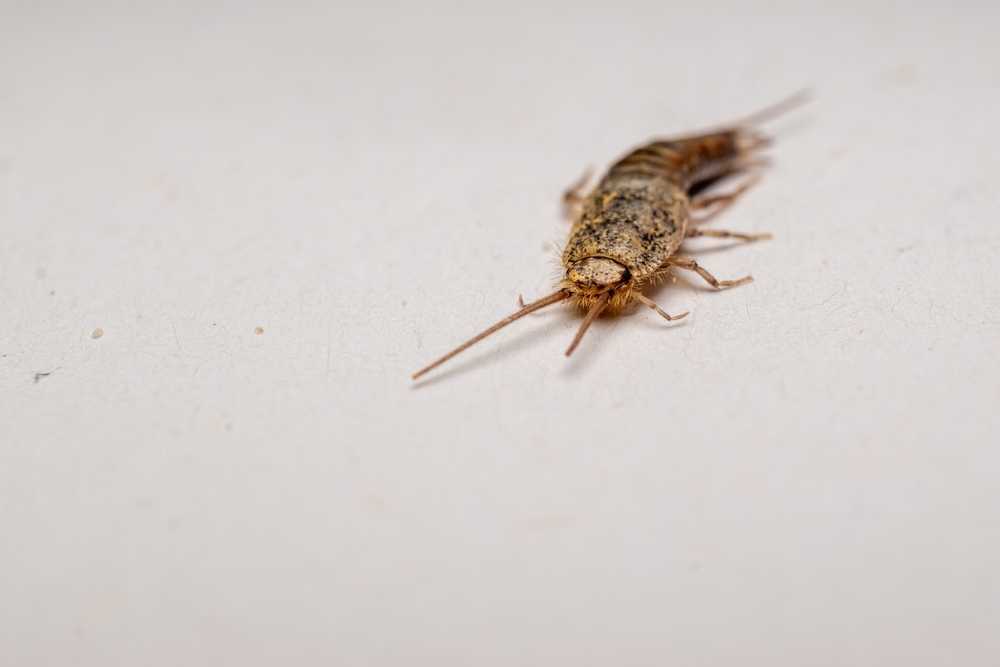
How can you tell if you have a silverfish problem? These silvery insects are nocturnal and most active at night. Spotting silverfish during the day often indicates a serious silverfish infestation. You might notice them darting quickly across dark corners or beneath appliances. Their metallic, fish-like appearance and rapid movements are unmistakable.
Damage to household items such as newspapers, fabrics, wallpaper, and other construction materials is another telltale sign of silverfish presence. Yellow stains on books, papers, or fabrics could be from silverfish urine. Additionally, finding shed silverfish skin molts, which appear metallic and opaque, indicates their presence.
Look for droppings resembling small peppercorns in dark, undisturbed areas like basements, attics, closets, and laundry rooms. If you have found silverfish or any of these signs, it’s time to tackle the silverfish infestation head-on.
Why Silverfish Are Attracted to Your Home
Silverfish infestations often result from environmental conditions favorable to their survival. These creepy crawlies thrive in humidity levels between 75% and 95%. Moisture is key, which is why silverfish live commonly in bathrooms, basements, kitchens, and laundry rooms. Silverfish eggs are often laid in these damp areas.
Besides moisture, silverfish eat a variety of starchy food sources such as paper, wallpaper paste, fabrics, and even glue found in book bindings and construction materials. Bookshelves, closets, and storage boxes are prime feeding grounds where silverfish find food.
Silverfish also carry diseases indirectly by picking up germs from unsanitary places and transferring them to food preparation areas or utensils, posing a contamination risk. Their preference for dark, hidden spaces like cracks, crevices, and corners helps silverfish avoid light and detection. Silverfish also release pheromones that attract other silverfish, worsening silverfish infestations. Understanding these factors can help make your house less inviting to these uninvited guests.
Effective Methods to Get Rid of Silverfish
Knowing why silverfish are attracted to your home helps you learn how to get rid of silverfish. Effective silverfish control involves a combination of strategies: reducing humidity, sealing entry points, and using diatomaceous earth. These methods significantly reduce silverfish populations and help eliminate silverfish infestations.
Alongside these, homemade silverfish traps using starchy food items in a glass container with a textured surface can effectively capture silverfish. Sticky traps placed in affected areas also work well. Combining these methods with chemical control can improve results in your effort to kill silverfish.
Reduce Humidity Levels
Reducing humidity in your home is crucial for silverfish control. Maintaining humidity below 75% makes your home less hospitable to silverfish. Dehumidifiers are effective tools for this purpose.
Ensure proper ventilation in moisture-prone areas like bathrooms, kitchens, laundry rooms, and basements. Fix leaks and improve drainage to reduce moisture and prevent silverfish infestations.
Seal Entry Points
Preventing silverfish from entering your home is essential. These small insects can squeeze through tiny cracks and gaps around windows, doors, electrical outlets, and baseboards. Seal these potential entry points thoroughly with caulk or weather stripping to keep silverfish out.
This simple step helps reduce the number of uninvited silverfish guests inside your house.
Use Diatomaceous Earth
Diatomaceous earth is a natural and highly effective method for killing silverfish. This fine powder absorbs oils from their exoskeleton, causing dehydration and death. Sprinkle a thin layer of diatomaceous earth in areas with silverfish activity, such as behind appliances, beneath appliances, in cupboards, and along baseboards.
It’s non-toxic to humans and pets, making it an excellent choice for households with children or animals. Reapply as needed for continued silverfish control.
Combining diatomaceous earth with other pest control strategies can effectively rid your home of silverfish and other insects.
Natural Remedies for Silverfish Control
Several natural remedies can repel silverfish and reduce their populations. Essential oils, boric acid, and bay leaves are effective and safer alternatives to harsh chemical insecticides.
Natural remedies offer a gentler approach:
- Rolled-up wet newspapers can attract silverfish for easy removal.
- Homemade traps serve as non-toxic repellents.
- Cedar oil and other essential oils disrupt silverfish pheromones and repel them.
Essential Oils
Essential oils like cedar oil are effective at repelling silverfish. Cedar oil interferes with their pheromonal communication, making it a powerful repellent. Use cedar oil in diffusers or mix it with water in a spray bottle to apply in active areas such as closets, laundry rooms, and bathrooms.
Cedar shavings placed in closets and storage areas also help repel silverfish naturally. Combining essential oils with regular cleaning creates a less hospitable environment for these pests.
Boric Acid
Purchase borax or boric acid from your local home goods store as a natural remedy to kill silverfish. Boric acid deprives silverfish of nourishment and causes death after ingestion.
Apply boric acid in hidden, moisture-prone areas like behind cabinets, under sinks, baseboards, closets, and electrical outlets to kill silverfish effectively.
Bay Leaves
Bay leaves are another natural repellent. The strong oils in bay leaves deter silverfish. Place dried bay leaves in cupboards, closets, and other areas where you have noticed silverfish to keep them away naturally.
Enhancing Silverfish Control
Sticky traps are an effective way to catch silverfish. Place them in dark corners, under sinks, behind furniture, and along baseboards where silverfish are most active. Regularly check and replace traps to maintain effectiveness.
Declutter and Organize Storage Areas
Silverfish love to hide in cluttered, undisturbed spaces. Keeping storage areas tidy and organized reduces hiding places and makes it easier to spot silverfish early.
Regular Vacuuming and Dusting
Vacuum and dust regularly, especially in dark corners, closets, and under furniture. This removes food particles and potential silverfish eggs, disrupting their life cycle.
Cedarwood and Other Natural Repellents
Besides cedar oil, cedarwood blocks or chips placed in closets and drawers can repel silverfish. Other natural repellents include lavender, citrus peels, and cinnamon, which can be scattered or placed in sachets.
Manage Outdoor Areas
Silverfish can enter from outdoor areas with debris, mulch, or leaf litter close to your home. Keep outdoor areas clean and free of clutter. Seal cracks in the foundation and around windows and doors to prevent entry.
Control Other Pests
Silverfish may cohabit with other pests like ants, spiders, and centipedes. Managing these bugs and all the pests reduces the overall pest problem and may indirectly help control silverfish populations.
Monitor and Inspect Regularly
Regularly inspect your home for signs of silverfish and other pests. Early detection allows for quicker intervention before infestations become severe.
Preventing Future Silverfish Infestations
Prevention is key to avoiding silverfish infestations. Regular cleaning and decluttering reduce hiding places and food sources. Dusting limits starchy materials, while vacuuming removes potential shelter.
Removing moisture sources and maintaining low humidity levels are critical. Bay leaves can be placed strategically to repel silverfish with their scent. Keeping your home clean and dry significantly reduces the chances of infestation.
Store Food in Airtight Containers
Store all food items such as cereals, flours, grains, pastas, beans, and dry pet food in airtight containers to prevent silverfish from accessing starchy food sources. Use plastic bins instead of cardboard boxes to reduce infestation risk.
Regular Cleaning and Decluttering
Declutter areas where you have found silverfish, and organize seasonal clothing in airtight containers. Vacuum and dust corners, behind and beneath appliances, and other dark hiding places regularly.
Keep kitchen floors, counters, and cupboards clean, paying attention to cracks where baseboards meet floors. Wipe down bookcases, closet shelves, and door and window frames to control silverfish populations.
Inspect and Repair Leaks
Inspect your home for leaks or moisture problems and repair them promptly. Addressing moisture issues helps make your home less attractive to silverfish and other pests.
Professional Pest Control Solutions
For severe infestations, professional pest control services are often necessary. Professional pest control experts deploy customized plans that combine multiple methods, including chemical treatments, to ensure long-term control of silverfish populations.
Follow-up services are crucial to maintaining a pest-free home and preventing reinfestations.
Dealing with a silverfish infestation involves identifying signs, understanding why they are attracted to your home, and implementing effective control methods. Natural remedies like essential oils, boric acid, and bay leaves can be effective, while preventive measures like regular cleaning and storing food in airtight containers keep these bugs and other pests at bay.
For severe infestations, professional pest control services provide expert solutions. By following these top tips and other methods, you can maintain a silverfish-free home and enjoy peace of mind. Remember, a clean and dry environment is your best defense against these uninvited guests.
Frequently Asked Questions
Where does silverfish come from?
Silverfish typically originate from dark, moist outdoor areas like under rocks and logs. They can enter your home through small openings or infested items such as boxes or old books. Keeping your home dry and sealing potential entry points helps keep these creepy crawlies at bay.
What do silverfish hate the most?
Silverfish hate the scent of cedar wood, making cedar-based repellents highly effective. Mothballs, lavender, and cinnamon are also good options to repel these pests.
Why am I getting silverfish?
Silverfish thrive in humid conditions and enter homes through tiny cracks and openings. Reducing moisture and sealing entry points are key to preventing infestations.
What are common signs of a silverfish infestation?
Signs include yellow stains on books and fabrics, damaged paper, skin molts, droppings, and frequent sightings of live silverfish.
Why are silverfish attracted to my home?
Silverfish love high humidity, dark corners, and starchy food sources like paper and fabric. Keeping your home dry and clutter-free helps keep them away.
"*" indicates required fields
"*" indicates required fields