 Agents Available 24/7
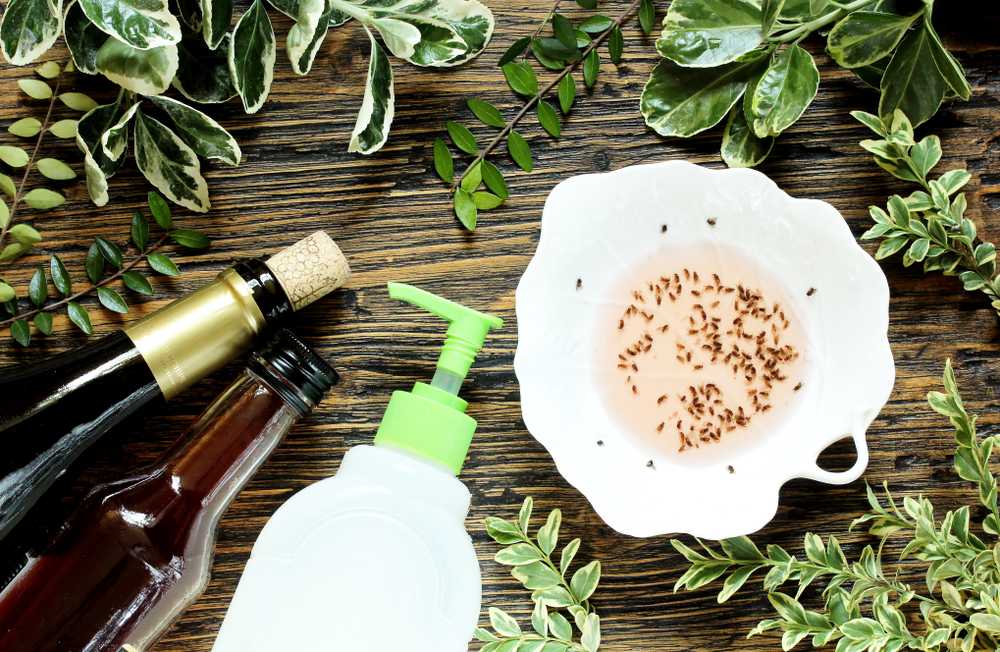
7 Best Natural Ant Killer Solutions for a Pest-Free Home
Are ants causing trouble in your home? Looking for a natural ant killer that works without harmful chemicals? You’re in the right place. This article reveals seven effective natural methods to eliminate ants safely and efficiently. Find out how you can keep your home ant-free with simple and eco-friendly solutions.
- Vinegar and lemon juice disrupt ant communication and navigation, effectively repelling them without harmful chemicals.
- Boric acid baits are highly effective for severe infestations, targeting entire ant colonies by disrupting their digestive systems.
- Essential oils like peppermint and tea tree oil serve as natural repellents by irritating ants and disrupting their pheromone trails.
1. Vinegar and Lemon Juice Solutions
A straightforward and highly effective natural remedy for repelling ants is using vinegar and lemon juice. Their strong scents disrupt ant communication and navigation, turning your home into unwelcome territory for these pests. If you’re looking to get rid of ants, this method is particularly useful.
Mix equal parts white vinegar and water in a spray bottle for a vinegar spray. For a lemon juice solution, combine one part lemon juice with three parts water and add a pinch of salt to boost effectiveness. Spray these mixtures on countertops, baseboards, and entry points where ants are often seen. The acidic nature of these solutions will deter ants, keeping your home ant-free.
In cases of more serious ant infestations, applying pure vinegar or diluted apple cider vinegar can help improve your ant control efforts. These methods are both effective and safe, eliminating the concern of harmful chemicals near your family and pets.
2. Baking Soda and Powdered Sugar Traps
A highly effective natural ant deterrent is the baking soda and powdered sugar trap. Ants are attracted to the sugar but cannot differentiate it from the baking soda. Once ingested, the baking soda reacts with acids in their digestive systems, ultimately killing them.
Mix equal parts of baking soda and powdered sugar for this DIY ant trap. Place small amounts on paper towels or directly on surfaces where you’ve seen ant activity. The sugary scent will lure ants, who will consume the mixture and carry it back to their colony, thereby reducing the ant population.
Place these ant traps strategically behind appliances, near windows, and along baseboards to maximize effectiveness. Regularly monitor and replenish the traps to maintain a steady defense against these persistent invaders.
3. Essential Oils as Natural Ant Repellents
Beyond aromatherapy, essential oils can serve as powerful natural ant repellents. Oils like peppermint and tea tree oil are particularly effective because their strong scent irritates ants. These oils disrupt ant pheromone trails that ants use to navigate, effectively stopping them in their tracks.
Mix 1/4 cup of water with 15 drops each of peppermint essential oil and tea tree essential oils in a spray bottle to create a natural ant repellent. Shake well before each use to ensure even distribution. Spray along ant trails, baseboards, and entry points to keep ants at bay.
Citrus oils like lemon or orange can also repel ants while leaving a pleasant scent in your home. Apply these essential oil-based sprays regularly, especially after cleaning, to maintain effectiveness and prevent new ant trails.
Soaking cotton balls in essential oils and placing them in high ant activity areas offers continuous repellent scent release, ensuring long-lasting ant control. Essential oils provide a versatile, pleasant-smelling solution, making them popular among natural pest control enthusiasts.
4. Diatomaceous Earth
Diatomaceous earth is a non-toxic, natural ant deterrent that damages ants’ exoskeletons, leading to their demise. This fine powder, made from fossilized diatoms, is safe to use around your home if you avoid inhaling it or getting it on your skin.
Spread a thin layer of diatomaceous earth in areas where you’ve seen ant activity, such as baseboards, windowsills, and entry points. It can also be used outside around your home’s foundation to create a barrier against ants. Reapply the powder if it gets washed away by rain or sprinklers to maintain its effectiveness.
This method is particularly useful for long-term ant control, as it kills ants and prevents them from re-entering your home. Diatomaceous earth is an excellent option for avoiding harsh chemicals while achieving effective ant control.
5. Coffee Grounds and Pepper Barriers
Used coffee grounds and various peppers are excellent natural ant deterrents. The bitterness and aroma of coffee grounds disrupt ant trails, making your home less appealing. Sprinkle used coffee grounds around areas where ants are prevalent, such as garden beds, entry points, or along baseboards.
Regularly replace the coffee grounds as they can lose potency over time or get washed away by rain. This method not only helps control ants but also helps to prevent ants while recycling your used coffee grounds effectively.
Ground black or cayenne pepper can create barriers that ants will avoid. Sprinkle these peppers around kitchen appliances, baseboards, and other potential entry points. The strong scent of pepper is highly unappealing to ants and can keep them from infiltrating your spaces.
Combining coffee grounds with pepper enhances their effectiveness, creating a robust natural barrier against ants. This method is ideal for those who prefer a non-toxic, environmentally friendly approach to pest control.
6. Boric Acid Baits
Boric acid is a time-tested solution for controlling ants, disrupting their digestive systems and leading to their death. To create an effective bait, mix boric acid with a sweet substance like maple syrup or corn syrup to attract ants. Spread this mixture on small pieces of cardboard and place them in areas where you’ve noticed ant activity.
Keep boric acid out of reach of pets and children to avoid harmful exposure. Place the baits in inaccessible areas to ensure safety while maximizing effectiveness. The bait will attract ants, who will carry it back to their colony, helping to control the population at its source.
Boric acid baits are particularly effective for severe infestations, targeting the entire colony rather than just individual ants. This method is a powerful tool in your natural pest control arsenal, offering long-term results without harsh chemicals.
7. Neem Oil for Garden Ant Control
Neem oil, derived from neem tree seeds, is a highly effective natural insecticide for controlling garden ants. Pure neem oil or neem soap can protect plants and deter ants from establishing colonies in your garden. This method is particularly beneficial for maintaining a healthy, organic garden.
Apply neem oil around plants where ants and aphids are present for best results, as these pests often coexist. Full-strength neem oil is more effective than diluted versions, ensuring your garden remains protected.
Understanding the specific ant species in your garden can enhance the effectiveness of neem oil, as different species may respond differently. By identifying the ants and their behavior, you can tailor your approach for optimal results.
There are numerous natural methods available to help you get rid of ants and keep your home pest-free. From vinegar and lemon juice solutions to neem oil for garden ant control, each method offers unique benefits and can be tailored to your specific needs.
Using natural remedies not only protects your home from pests but also ensures the safety of your family and the environment. By incorporating these techniques into your pest control routine, you can enjoy a cleaner, greener, and more comfortable living space.
Frequently Asked Questions
How do vinegar and lemon juice repel ants?
Vinegar and lemon juice effectively repel ants due to their strong scents, which disrupt ant communication and navigation. Utilizing these natural remedies can help keep ants at bay.
Can I use essential oils to prevent ants from entering my home?
Yes, essential oils such as peppermint and tea tree oil are effective in repelling ants and disrupting their pheromone trails. Utilizing these oils in sprays or soaked cotton balls can help keep ants from entering your home.
Is diatomaceous earth safe to use around pets?
Diatomaceous earth is generally safe around pets as it is non-toxic, but to ensure their safety, apply it in areas that are inaccessible to them and avoid inhalation or direct skin contact.
How do I prepare a boric acid bait for ants?
To prepare a boric acid bait for ants, mix boric acid with a sweet substance like maple syrup or corn syrup. Then, spread it on cardboard and place it in areas with ant activity, ensuring it’s inaccessible to pets and children. This method effectively attracts ants while controlling their population.
What makes neem oil effective for garden ant control?
Neem oil is effective for garden ant control because it acts as a natural insecticide, disrupting their feeding and reproductive systems. Applying it around infested plants enhances its efficacy against ants and their associated pests.
"*" indicates required fields
"*" indicates required fields