 Agents Available 24/7
The Best Weed Killer Spray: Effective, Safe, and Easy to Use
Struggling with stubborn weeds? Discover the best weed killer spray options, learn how to choose the right type, and get expert tips for applying them correctly. We’ll also explore proven DIY projects for natural, safe, and cost-effective weed control that you can easily make at home.
- Weed killer sprays provide an effective, fast, and convenient solution for controlling unwanted plants, transforming gardens, flower beds, driveways, patios, and walkways with minimal effort.
- Understanding the types of weed killers—selective vs. non-selective and pre-emergent vs. post-emergent—is crucial for effective weed management and protecting desirable grass, shrubs, and trees.
- DIY weed killer recipes offer an environmentally friendly alternative to commercial products, safe for pets and kids, making weed control accessible for homeowners across the country.
Why Choose Weed Killer Spray?
Weed killer sprays allow you to quickly create beautiful, weed-free lawns, flower beds, driveways, patios, and walkways. Seeing your garden thrive without weed interference brings a great sense of accomplishment. The formula of weed killers delivers exceptional efficiency, helping homeowners deal with weeds more easily while providing quick results that save time and effort.
These sprays offer unmatched practicality with straightforward application methods and focused treatment solutions. They help control weeds in difficult-to-reach places, including foundation areas, fence lines, and patio spaces. Weed killer sprays provide a budget-friendly and uncomplicated solution suitable for any garden size, whether you have a small backyard or a large lawn.
Types of Sprays
Successful weed control depends on understanding the various weed killer spray products available. Different weed killers have unique properties, so selecting the wrong one may harm your plants or soil. You should determine if the weed killer operates selectively or non-selectively and decide whether it works before weeds appear or after they have emerged. Choosing the appropriate weed management solution depends on your specific needs, as each type offers unique advantages for weed control without harming other plants.
The chemical composition of the herbicide plays an important role in its effectiveness. Liquid formulations usually require mixing with water before application, while granular types need a fertilizer spreader for distribution over larger areas.
Selective vs. Non-Selective Weed Killers
Selective weed killers target particular weed species while protecting grass, shrubs, and trees. They work perfectly for lawns and flower beds to eliminate clover and dandelions without harming desirable plants. Selective weed control options often include 2,4-D and are available as broadleaf herbicides.
Non-selective herbicides kill all plants they contact, making them ideal for eliminating all vegetation on driveways, patios, and other areas. Use these carefully to avoid damaging nearby desirable plants.
Pre-Emergent vs. Post-Emergent Sprays
Pre-emergent herbicides prevent weed seeds from sprouting by forming a protective barrier on the soil surface. This treatment is best applied in early spring to stop crabgrass and other weeds from emerging.
Post-emergent herbicides eliminate actively growing weeds, making them suitable for handling existing weed infestations. Proper timing of each herbicide application leads to optimal outcomes while preventing new weed growth.
DIY Weed Killer Spray Recipes
Homemade weed killer sprays are increasingly popular as affordable and environmentally safe alternatives to commercial products. Eco-friendly gardeners appreciate these recipes made from common household materials, which are safe for pets and children when used properly.
Vinegar-Based Weed Killer Recipe
Mix one gallon of white vinegar with one cup of salt and one tablespoon of liquid dish soap. For best results, spray during dry, sunny conditions. The acid in vinegar dissolves weed foliage, salt dries them out, and dish soap helps the mixture adhere to plant surfaces. Use this solution on driveways, walkways, and areas without desired plants.
Salt and Dish Soap Weed Killer Spray
Combine one cup of table salt with one tablespoon of dish soap and two cups of water in a spray bottle. Apply this spray directly to weed leaves, avoiding contact with grass or shrubs. This solution is effective but should be used with caution, as salt can harm soil quality.
Lemon Juice and Essential Oils Weed Killer
Mix half a gallon of vinegar with half a bottle of lemon juice and half a cup of castile soap. The citric acid in lemon juice enhances weed-killing properties, while essential oils add fragrance and strength. Thoroughly apply the mixture to weeds for a safe, natural, and fragrant weed control solution.
Safe Procedures for Spraying Weed Killer Solutions
Applying weed killer requires attention to timing, target selection, and safety measures. Strictly follow product instructions to prevent garden damage and environmental harm.
Timing Your Application
The best times to apply weed killers are during spring and fall when weeds are actively growing. Apply on dry, warm days to prevent wind drift and ensure better absorption by the weeds.
Targeting Specific Weeds
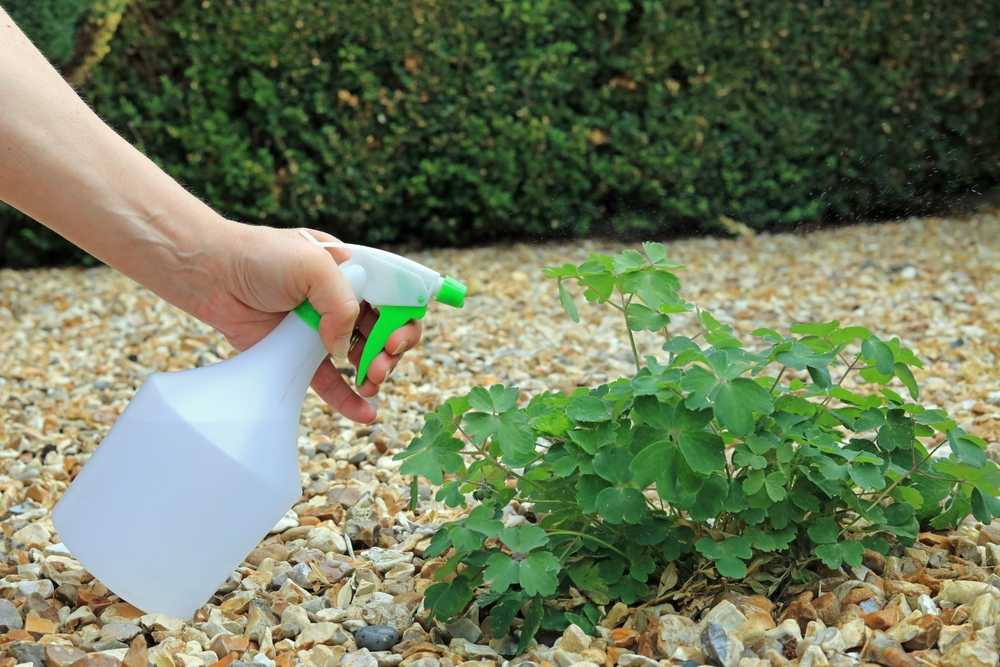
Spot spray broadleaf weeds like dandelions and clover to preserve other plants. Salt-based homemade sprays should be limited to areas free of desirable plants.
Keep treated areas inaccessible to children and pets until sprays have dried completely. Use protective equipment and apply during windless conditions to prevent herbicide drift onto unintended plants.
Common Mistakes to Avoid
Avoid overusing weed killer products, ignoring weather forecasts, and neglecting product instructions. These mistakes reduce effectiveness and can cause plant damage and soil degradation.
Mastering weed control involves selecting the right weed killer and applying it correctly while avoiding common mistakes. Combining professional services with homemade recipes enables you to maintain healthy, weed-free lawns, flower beds, shrubs, and trees. Always wash your hands after handling herbicides, keep treated areas sealed from accidental contact, and monitor for new weed growth.
Frequently Asked Questions
Does vinegar, salt, and dish soap kill weeds?
Yes, this natural mixture is effective for weed elimination and serves as a budget-friendly alternative to commercial herbicides.
What are the benefits of using weed killer sprays?
They provide quick, efficient results to enhance outdoor spaces like lawns and flower beds with minimal maintenance.
What is the difference between selective and non-selective weed killers?
Selective herbicides target specific weed species without harming other plants, while non-selective herbicides kill all vegetation they contact.
When is the best time to apply weed killer sprays?
Early spring and early autumn on sunny, dry days produce the most effective results.
Are DIY weed killer sprays safe for pets and children?
When made with natural ingredients and applied properly, homemade sprays are safe for children and pets. Always follow safety precautions.
"*" indicates required fields
"*" indicates required fields