 Agents Available 24/7
Weevils in Your Home? Here’s How to Get Rid of Them
If you have these little beetles in your home, this article will show you how to identify them, spot an infestation and get rid of them.
- These pests are small beetles that can do a lot of damage to stored food products and live in dark corners of pantries.
- Signs of an infestation include visible bugs, droppings, damaged food products and unusual odors coming from infested items.
- Effective control requires cleanliness, airtight food storage and professional pest control if infestations persist.
What are these Beetles?
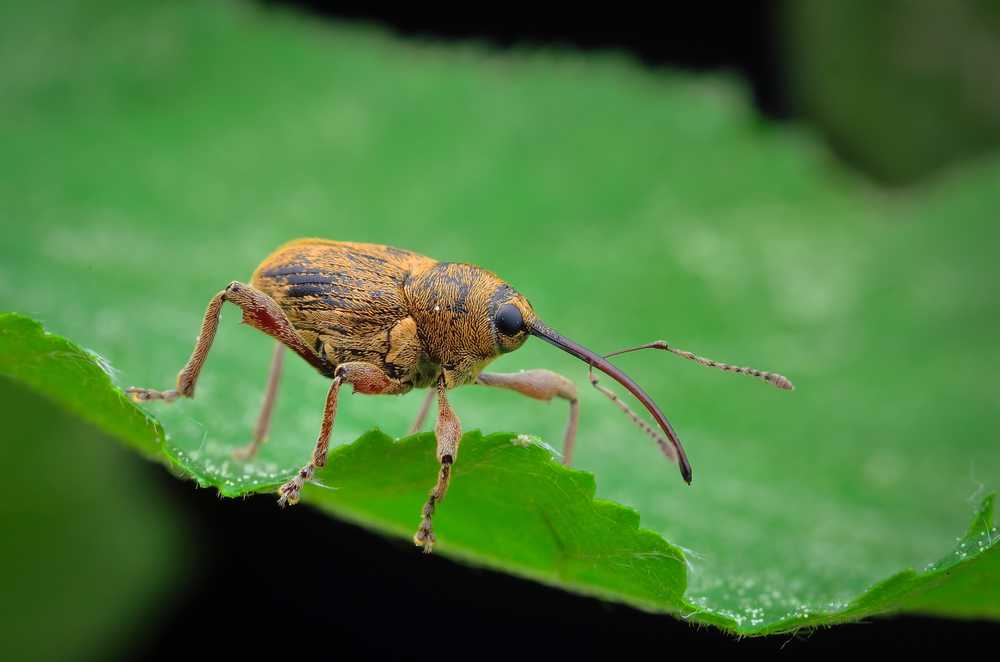
These insects are interesting creatures, not in a good way when they get into your home. These small beetles, including the black vine weevil, have an elongated snout and are reddish-brown to black in color. The black vine weevil stands out with its dark coloration and causes damage to both plant roots as larvae and to foliage as adults. You can identify them easily by their elongated snout and six legs, which are typical of true weevils.
Although they look harmless, these weevils can cause a lot of damage to stored food products if you leave them unchecked. Pantries commonly harbor infestations, so protecting pantries from damage is important. Early detection and proper storage help prevent a weevil infestation in homes and stored food products.
Physical Characteristics and Identification
These small beetles have long snouts and measure 3-6mm in length. Their long snout and reddish-brown to black color make them distinct from other insects. The granary and rice types are two of the most common weevil species that infest stored grains including maize. Maize weevils and rice weevils pose significant threats to stored grains, preferring foods like corn, rice and other cereals, and they can significantly impact crop storage and production. The boll weevil is another notable species, known for damaging cotton crops by feeding on cotton buds and flowers, which can lead to major losses in cotton production. Root weevils target plant roots, causing damage in gardens and soil. These pests infest crops and cereal grains such as corn, wheat, oats, rye, buckwheat and rice. Weevils eat not only grains but also other foods such as nuts, beans, seeds and similar stored products. Many weevil species exist, each with unique habits and preferred foods.
Behavior and Infestation
You can often see adult beetles, specifically adult weevils, crawling on surfaces or within the food items themselves. They measure about 1/8 inch long, small but noticeable. Adults lay eggs in or on food products, which leads to further infestation as the eggs develop into weevil larvae. Weevil larvae cause much of the internal grain and root damage by feeding inside kernels or on plant roots. These pests infest crops and cereal grains, causing damage to stored food products. Weevils feed on both stored products and living plants, resulting in various types of damage. They consume grains, seeds and plant material, which contributes to their impact on food supplies and gardens. They can penetrate thin materials like cardboard to reach stored food supplies. Weevils infest stored grains and food products, rapidly establishing populations that can become difficult to control. Adult root types also contribute to these infestations.
Life Cycle
Understanding the life cycle is key to managing these pests. They go through four stages: egg, larva, pupa and adult. The larvae, also called white grubs, chew through the grain kernels as they feed and develop inside them, making them hard to detect until they mature. After the larval stage, the larvae pupate in the soil, where the white grubs complete their development before emerging as adults. The pupae remain in the soil during this stage, so targeting pupae along with larvae in soil treatments proves crucial for effective pest management. Adult root weevils emerge from the soil and you can manage them through cultural control methods, such as using resistant plant varieties and soil treatments, to reduce their impact on plant roots.
The life cycle can take 30-148 days depending on the environment.
Common Home Invading Species
Several species invade homes and damage various products. The imported longhorned type, scientifically known as Calomycterus setarius, inhabits Southern Minnesota. Polydrusus types thrive in forested areas, particularly in the northeast and north-central Minnesota. These pests associate with garden plants and shrubs where they feed on foliage, roots and crowns before entering homes. Home invading weevils, such as the strawberry root weevil (Otiorhynchus ovatus), commonly infest Minnesota households.
These home invading pests can cause big problems if you do not manage them, much like cockroach infestations which also show clear warning signs homeowners should watch for.
Warning Signs
Recognize the signs early to save yourself a lot of trouble. Common signs include visible adults, weevil droppings (tiny, sawdust-like residues found near infested grains), damaged food products, feeding damage such as chewed or damaged grains and plant material, presence of larvae and unusual odors. Droppings, which look like white, sawdust-like material and are also known as frass, often go unnoticed until numbers increase.
An infestation can get out of control if you do not address it. In severe cases, you may need professional help to get rid of them effectively. They multiply quickly if you do not address them. They spread easily throughout your home.
Visible Adults and Droppings
You can see adult beetles crawling on surfaces or within the food items themselves; these bugs often appear in stored food with other pests. Infestation causes visible holes in grain products where adults emerge. Larvae create a white, sawdust-like residue around infested food, indicating infestation. Cast skins from molting may also appear around infested food.
Check food packaging for signs of damage before you bring it into the home.
Damaged Food Products
They infest grains, nuts, beans, cereals, seeds and corn. Rice types hollow out kernels of stored food. Once inside food items, larvae feed and develop, causing more damage. Infested foods may have hollow grains left behind by feeding larvae.
Your home becomes a buffet for these pests, resulting in widespread damage to stored food.
Other Signs
They contaminate food with their exoskeletons, larvae and droppings, so you need to throw these away. Exit holes in grains or seeds also indicate their activity. Strawberry root types appear in gardens and can enter homes.
They hide in dark corners of the pantry during the day. They also look for moist places such as under sinks or in bathrooms when seeking shelter.
How Do They Get Into Your Home?
They enter homes by hiding in food items that already contain infestation before purchase. The granary weevil, a common pest of stored grains, often causes infestations in products like rice, wheat and corn. They hide in cracks and dark corners and make their presence known through visible droppings. Common signs of infestation include visible adults, damaged packaging and presence of larvae. You can get rid of weevils with several methods including DIY natural remedies, chemical treatments and professional help depending on the severity of the infestation. Some chemical solutions can be harmful to humans and pets if not used properly.
Some species like the red palm type fly long distances to find new food sources or breeding sites, which increases their ability to infest new areas.
They also enter homes from water basins or garden soil if they have fed on plant roots outside. They migrate from infested fields into nearby homes.
Infested food may emit a musty smell due to these pests and their waste, indicating a problem.
Contaminated Food Packages
Weevils can enter homes through packaged foods or by flying or crawling in from outside. Other foods like nuts and beans also introduce them. Food packages that contain their eggs or larvae serve as entry points. These pests penetrate thin materials like cardboard, resulting in visible damage to food packaging. Broken kernels inside packages often indicate feeding activity.
Entry Points in Homes
Small openings like gaps in windows and doors allow weevils to enter homes. Damaged window screens, cracks and gaps around windows commonly serve as entry points. Tiny openings around doors and other structural gaps also let these pests inside. Windows themselves can serve as entry routes for weevils seeking shelter indoors. Additionally, they gain access through windows. You can get rid of them with two main options for repelling these pests: natural repellents and chemical treatments. Using natural repellents like bay leaves and diatomaceous earth deters them from entering your home and infesting food supplies.
Chemical treatments can manage infestations but should serve as a last resort. Some chemical solutions can harm humans and pets if you do not use them properly. Permethrin works effectively as an insecticide, especially when you spray it at the base of plants or around the house foundation. Avoid contact with the treated area until the product dries to minimize risks. If the infestation becomes severe, call pest control as they offer customized treatments that prove more effective than DIY methods.
Cleaning and Sanitation
Thorough cleaning removes these pests and prevents their return. Dispose of any contaminated food items immediately to stop the spread. Clean storage areas thoroughly after removing infested items to eliminate any remaining eggs or larvae. Vacuum corners and edges of pantry shelves to remove leftover grains.
Effective sanitation and storage prove key to preventing invasion. Regular cleaning and proper storage are essential to prevent weevils from infesting your pantry. Keep storage areas dry because damp environments attract these pests and promote their growth. A clean kitchen minimizes the risk of attracting these pests and others like pantry moths.
A clean and well-maintained storage area helps prevent reinfestation.
Natural Repellents
Natural repellents help deter these pests in your home. Ingredients like bay leaves, cloves and diatomaceous earth effectively repel them.
Spreading diatomaceous earth in infested areas deters these pests.
Chemical Treatments
Chemical treatments such as pesticides and insecticide sprays typically serve severe infestations when other methods fail. Various chemical treatments exist including sprays, residual sprays and powders that target adults and their larvae. Chemical treatments quickly reduce pest populations when applied correctly.
However, chemical treatments can harm humans and pets if you do not follow instructions and may also lead to insect resistance over time.
Long-Term Prevention
Proper sanitation and smart storage prevent infestations. Implementing these long-term strategies will help prevent weevils from invading your home. Fix leaks to minimize moisture, which attracts these pests. To prevent infestations, use airtight containers for storage, apply natural repellents and maintain regular cleaning routines to keep food supplies safe.
They hide during extreme weather, especially hot and dry conditions. Temperature extremes drive them to seek shelter indoors.
Proper Food Storage
Using airtight containers for food storage deters these pests from grains and similar items. Keeping food in airtight containers prevents access.
Using airtight containers reduces the chances of access to stored food items. Using airtight containers made of glass or metal proves essential for storing grains and preventing infestation. Freezing grains for several days before storage kills any eggs or larvae present.
Regular Inspections
Regularly checking pantry items helps catch early signs of presence. By inspecting pantry and storage areas frequently, you detect early indications of activity. This proactive approach allows timely intervention before infestations worsen. Keeping a close eye on your food supplies prevents problems.
Checking pantry contents identifies potential problems before they get out of hand. Inspect food items before storing them to prevent infestations. Sifting grains before storage helps detect pests or their larvae.
Cleanliness
Good cleaning habits like regular cleaning and grocery inspection reduce the chances of attracting these pests. Clean up food spills, especially grains and flour, immediately to avoid attracting them.
Keeping the kitchen and pantry clean prevents attraction to stored food. Vacuum sealing food items further reduces the risk of infestation.
When to Call Professional Pest Control Services
If your home has a persistent infestation that DIY methods do not solve, you may need professional help. Using professionals gives you peace of mind knowing experts handle the infestation. Professional pest control services use integrated pest management strategies for long term control.
Persistent Infestations
Long term infestations require professional intervention to get rid of these pests. Professional pest control may become necessary when infestations occur in multiple home areas. Professionals use monitoring traps to assess the infestation extent. When stored food items remain contaminated after DIY efforts, professional intervention becomes highly recommended. Persistent infestations clearly indicate professional pest control is needed.
When DIY methods fail, call professional pest control for infestations. Always read pesticide labels carefully to ensure safe application.
Professional Services
Hiring licensed professionals ensures effective management. Customers rely on experts to control and eliminate these pests around their property. Professional pest control not only addresses current infestations but also helps prevent future ones, providing long term peace of mind. These pests can become a nuisance to any homeowner, but with the right knowledge and tools, you can manage and prevent them. By knowing what they are, recognizing signs of infestation, taking proactive steps for elimination and long term prevention, you keep your home pest free. If DIY methods fail, do not hesitate to call professionals to handle the situation. Be vigilant, maintain cleanliness and inspect your pantry regularly to keep your food safe and uncontaminated.
Frequently Asked Questions
What types infest homes?
Imported longhorned, Polydrusus and strawberry root types infest homes. If you do not manage them properly, they cause significant annoyance and damage.
How do I know I have an infestation?
Look for visible adults, droppings, damaged food products, larvae and unusual odors. Quick action proves key.
How do they get in?
They enter through contaminated food packages or small openings like gaps in windows and doors. Seal these entry points and inspect food items to prevent infestation.
How do I get rid of them?
Thorough cleaning and sanitation, natural repellents like bay leaves and diatomaceous earth and chemical treatments for severe infestations.
When should I call professional pest control services for infestation?
Call professional pest control services if your infestation persists despite your efforts to solve it with DIY methods. Timely intervention prevents further damage to your food supplies and home.
"*" indicates required fields
"*" indicates required fields