 Agents Available 24/7
Wood Bees: Identification, Damage, and Control Tips
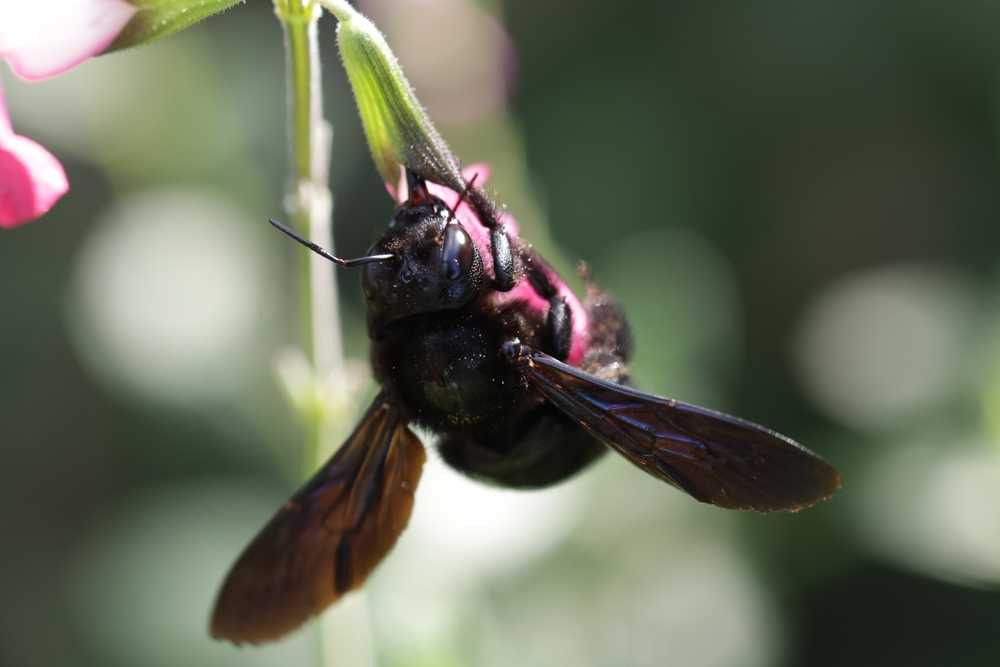
Wood bees, commonly known as carpenter bees, are large, robust insects that play a significant role in our ecosystems as important pollinators. However, their nesting habits can lead to considerable structural damage to wooden buildings and outdoor structures if left unmanaged. This comprehensive article will help you identify wood bees, understand the signs of their damage, and implement effective prevention and control strategies to protect your property.
Understanding Wood Bees
Carpenter bees are often confused with bumble bees due to their similar size and appearance, including a shiny abdomen that is smooth and hairless. However, unlike the social bumble bees that live in colonies, most carpenter bees are solitary insects that excavate wood to create individual carpenter bee nests. Female carpenter bees, which range from 5/8 to 1 inch long, are the primary nest builders.
These wood bees show a preference for soft, untreated, weathered wood types such as pine, fir, cypress, and oak. They often target dead or bare wood surfaces, avoiding painted or treated wood, which homeowners can use as a deterrent. Recognizing these nesting preferences is key to protecting wooden structures from carpenter bee damage.
Female carpenter bees bore perfectly circular holes approximately 1/2 inch in diameter into sound wood. Over time, these tunnels can extend up to 10 feet in length, especially when reused and expanded by successive generations of developing bees. The tunnels are lined with wood pulp combined with regurgitated nectar to form brood chambers where bee larvae develop safely.
Life Cycle of Wood Bees
The lifecycle of carpenter bees begins in early spring when adult bees emerge from old tunnels. There is only one generation per year, making timing essential for effective control and prevention.
Egg Laying and Nest Building
Female carpenter bees excavate new tunnels or enlarge existing tunnels to create brood chambers within the galleries. Each brood cell contains a single egg and a food supply known as bee bread—a nutritious mixture of pollen and regurgitated nectar. The female seals each chamber with a mixture of wood pulp and saliva, ensuring protection for the developing bee larvae.
Larvae Development
Inside these sealed brood cells, the bee larvae feed on the stored pollen and nectar. This nourishment is vital for their growth, allowing them to undergo metamorphosis into adult bees.
Adult Emergence
New adult bees typically emerge in late summer or early spring by chewing their way out of the brood cells. After emerging, female carpenter bees mate and begin the cycle anew by building or expanding nests. Understanding this lifecycle helps homeowners and pest control professionals plan timely interventions to disrupt the reproductive cycle and reduce infestations.
Identifying Wood Bee Damage
One of the most obvious signs of carpenter bee infestation is the presence of perfectly circular carpenter bee holes on wood surfaces, often accompanied by sawdust piles beneath. These holes cause cosmetic damage and, if left untreated, can lead to significant structural damage as tunnels grow longer and more numerous.
Repeated nesting activity may also attract other insects or woodpeckers, which can worsen the damage by pecking at the wood to reach bee larvae inside the tunnels. Regular inspections of wooden structures are essential to detect early signs of infestation and prevent costly repairs.
Prevention and Control Measures
Preventing carpenter bee damage involves making wooden structures less attractive or accessible to these bees and interrupting their nesting behavior.
DIY Prevention Tips
- Use painted or varnished wood surfaces, as carpenter bees tend to avoid painted wood due to its smooth, sealed finish.
- Seal existing carpenter bee holes with steel wool, wood putty, or wooden dowels after all adult bees have emerged to prevent reuse of old tunnels.
- Install physical barriers such as wire screening or metal flashing over vulnerable wooden areas like eaves, decks, and fences.
- Apply natural repellents such as citrus or almond oil, which carpenter bees tend to avoid, to discourage nesting.
- Regularly inspect and maintain wooden structures to identify potential nesting sites early and address them before infestations develop.
Professional Pest Control
For severe or persistent infestations, professional pest control services are recommended. Experts follow label directions for insecticides and apply treatments directly into carpenter bee tunnels, typically during early spring or late fall when adult bees emerge or prepare to overwinter. After treatment, holes should be sealed to prevent bees from reusing the tunnels.
Professional intervention ensures safe and effective control, especially when dealing with large carpenter bee populations that threaten the structural integrity of wooden buildings.
Importance of Wood Bees
Despite their potential to damage wooden structures, carpenter bees are beneficial insects and vital pollinators. They contribute to the pollination of many plant species, including crops, by using a unique buzz pollination technique that efficiently dislodges pollen from flowers.
As large carpenter bees, including many species across various regions, they support biodiversity and help maintain healthy ecosystems. Institutions such as Kentucky College emphasize their ecological importance. Balancing control measures with ecological benefits is essential when managing carpenter bee populations to promote environmental stewardship.
Carpenter bees, or wood bees, are solitary large bees that nest in wood by boring perfectly circular holes and creating tunnels lined with wood pulp. Their lifecycle involves only one generation per year, with adults emerging in late spring and late summer.
While their nesting can cause unsightly holes and structural damage, preventive measures like using painted surfaces, sealing holes with wood putty or wooden dowels, and installing physical barriers can reduce infestations. Professional pest control may be necessary for severe cases.
Understanding their ecological importance as beneficial insects and pollinators helps balance control efforts with environmental stewardship.
Frequently Asked Questions
How can I tell the difference between carpenter bees and bumble bees?
Carpenter bees have a shiny abdomen and are solitary nesters that bore into wood, while bumble bees have hairy abdomens and live in social colonies.
What kind of wood do carpenter bees prefer for nesting?
They prefer untreated, weathered, and dead wood such as pine, fir, cypress, and oak, avoiding painted surfaces.
How can I prevent carpenter bee damage to my wooden structures?
Use painted or varnished wood, seal existing holes with wood putty or wooden dowels, install wire screening or metal flashing, and apply natural repellents like citrus or almond oil.
When should I consider professional pest control services for carpenter bees?
If infestations are severe or persistent despite DIY efforts, professional pest control using insecticides according to label directions is recommended. For local help with pest infestations, professional pest control services, are available.
Why are carpenter bees important to the ecosystem?
They are beneficial insects that pollinate many plants, including crops, using buzz pollination, supporting biodiversity and ecosystem health.
"*" indicates required fields
"*" indicates required fields