 Agents Available 24/7
Do Fleas Fly? Understanding Flea Behavior and Flea Mobility
Do fleas fly? No, fleas cannot fly. Instead, fleas are wingless insects that rely on their powerful legs to jump and move around. We’ll uncover how fleas navigate, their behavior patterns, and what makes them notorious jumpers.
- Fleas are wingless insects that rely on their powerful legs to jump, enabling them to move quickly and evade detection.
- Understanding the flea life cycle is crucial for effective flea control, as it involves four stages: egg, larva, pupa, and adult.
- Preventing and treating flea infestations requires a combination of regular cleaning, pet grooming, and possibly professional pest control services.
- Fleas survive by feeding exclusively on blood, primarily from cats, dogs, and sometimes humans.
- Wild animals can serve as reservoirs for fleas, contributing to infestations in homes and yards.
Fleas Are Wingless: Do Fleas Fly?
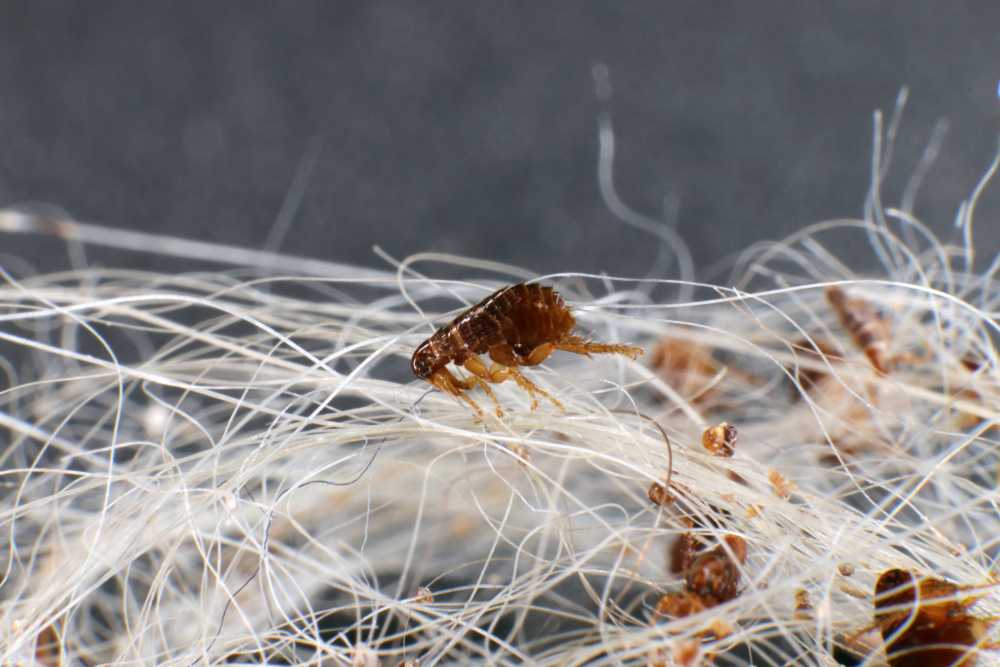
Fleas are wingless insects, a characteristic that sets them apart from many other pests. The absence of wings in fleas means they do not fly, which answers the common question: Do fleas fly? Instead, fleas use their powerful legs to move around. Their flattened body shape is specifically adapted to help them move through the fur of their hosts—dogs and cats—with ease. This sleek design allows them to be incredibly stealthy, making it difficult for their hosts to detect them.
Despite their small size, typically about an eighth of an inch long, fleas are incredibly resilient. Their wingless nature might suggest limited mobility, but fleas have evolved other impressive ways to move. This anatomical design and their remarkable jumping ability make them formidable pests, capable of infesting homes and causing discomfort to pets and humans alike.
How Fleas Move Without Flying:
While fleas may lack wings and cannot fly, they more than make up for it with their powerful legs. Fleas are small, six-legged insects that primarily move by jumping. They are equipped with long hind legs adapted to leap over distances exceeding 100 times their body length. This incredible jumping ability allows them to cover up to 8 inches high and 13 inches horizontally on a flat surface. Imagine the relative size of a flea and then picture it jumping over 150 times its own height – it’s no wonder that these tiny pests can be so elusive, especially when you consider how far fleas jump instead of flying.
Their anatomical structure, including piercing mouth parts, spines, and hairs, further aids their movement. These features allow fleas to cling to surfaces and navigate through the fur of their hosts with ease. The primary way fleas move to new hosts is by jumping. They rely on their powerful legs to propel themselves, often leaping onto a host when it passes by.
This remarkable ability to jump not only aids in finding new hosts but also helps fleas evade danger. Their rapid and unpredictable jumps can make them appear as though they are flying, especially in low-light environments where their movements are harder to track.
This combination of anatomical features and astounding jumping ability makes fleas one of the most successful parasitic insects in the animal kingdom.
The Flea Life Cycle
To control fleas effectively, one must understand their life cycle, which includes four stages: egg, larva, pupa, and adult.
Each stage has unique traits and needs, so addressing all of them is necessary when handling a flea infestation. Breaking down the flea life cycle helps in devising better prevention and treatment strategies.
Flea Eggs and Flea Larvae
The flea life cycle starts with the egg stage, where an adult female flea can lay up to 50 eggs daily. This rapid reproduction can quickly boost flea populations. These tiny white eggs are laid on the host but often fall into the environment, such as carpets, pets’ bedding, hardwood floors, and furniture. Depending on temperature and humidity, flea eggs hatch within one to ten days, allowing a minor flea infestation to escalate rapidly if not controlled.
Upon hatching, flea larvae emerge as small, worm-like creatures that feed on organic debris, including flea dirt (flea feces). This feeding is vital for their development, allowing them to grow and eventually transition into the pupae stage. Larvae are vulnerable during this stage, needing a humid environment to avoid desiccation and survive.
Pupae Stage
After the larval stage, fleas spin a protective cocoon and enter the pupae stage. This cocoon shields them from environmental threats and can remain dormant for several days to weeks, depending on surrounding conditions. The pupae stage is a critical period where fleas develop into adults. They can stay in this state until they detect a suitable host nearby, responding to cues such as movement or body heat.
The dormancy ability enables fleas to survive unfavorable conditions, emerging to infest a host when conditions improve. This resilience signifies their capacity to endure host scarcity and rapidly reemerge, demonstrating how fleas thrive in challenging environments.
Adult Fleas
Adult fleas are the most recognizable stage, known for their jumping ability and feeding habits. After emerging from the cocoon, adult fleas can jump over 150 times their body length, swiftly finding and attaching to a host. Their rapid, erratic movements often get mistaken for flying.
Adult fleas start feeding within hours of emerging from their cocoons. Female fleas, in particular, begin reproducing shortly after their first blood meal, laying more eggs that will perpetuate the infestation cycle. Their ability to jump and feed quickly makes them efficient parasites, capable of causing significant discomfort and health issues for their hosts.
Why Fleas Bite and What Fleas Eat
Fleas bite to obtain nourishment from their hosts, attracted by the warmth and movement of potential hosts, leading them to bite immediately upon landing. A flea’s bite is crucial for its survival, providing the blood meal necessary for growth and reproduction, beyond being a minor annoyance.
Fleas survive exclusively by eating blood, primarily from cats, dogs, and sometimes humans. This blood meal is essential for their life span and reproductive cycle. Their piercing mouth parts allow them to efficiently extract blood.
The saliva of fleas contains proteins that help them feed but can also cause allergic reactions in their hosts. This can lead to conditions such as flea allergy dermatitis, characterized by intense itching and skin inflammation.
Flea bites can transmit various dangerous diseases from infected fleas, posing a significant health threat to pets and humans. These include cat scratch fever and, historically, the bubonic plague (also known as the black death), which was spread by fleas carried by rodents.
Flea Infestations and Their Impact
Flea infestations can have significant health impacts on pets and humans. Fleas can ingest up to 15 times their body weight in animal or human blood meals a day, which poses a substantial health risk, particularly to young or small animals. Severe flea infestations can lead to anemia in young kittens and puppies, sometimes necessitating blood transfusions. This level of blood loss can be dangerous and highlights the importance of managing flea populations effectively.
Fleas often hide in areas like carpets, pets’ bedding, hardwood floors, and even human hair, making infestations tricky to detect and control. Wild animals, such as raccoons, squirrels, and rodents, can carry cat fleas and introduce them to your house, increasing the risk of flea infestation.
Flea dirt, which looks like tiny black specks, is often found on pets and their bedding and is a telltale sign of flea presence. Flea eggs also fall off pets into the environment, where they hatch into baby fleas, continuing the infestation cycle.
Effective Flea Control Methods
Managing flea infestations and preventing future occurrences requires effective flea control methods. Combining approaches like flea bombs and regular vacuuming can significantly improve control efforts, eliminating fleas at different life stages and minimizing re-infestation risk.
Preventing Flea Infestations
Preventing flea infestations involves proactive measures to keep fleas at bay:
- Regular pet grooming
- Applying flea medications and flea collars
- Routine bathing and brushing
- Utilizing veterinarian-recommended treatments
These steps significantly reduce infestation risks.
Maintaining cleanliness is essential. Regularly washing pet bedding, vacuuming carpets and hardwood floors, and keeping outdoor areas dry and well-mowed can reduce flea infestation likelihood. Using a vacuum bag that is promptly disposed of helps remove flea eggs, larvae, and dirt effectively. EPA-approved insect repellents can minimize exposure to flea bites, ensuring the health and comfort of pets and family.
Treating Active Flea Infestations
Treating active flea infestations requires a multi-faceted approach. A flea bomb effectively eliminates fleas in enclosed spaces when used correctly. Regular vacuuming helps eliminate fleas at various life stages, reducing the home population.
Ongoing flea management includes routine pet treatments, frequent cleaning, and environmental monitoring to control flea populations. Regular cleaning, such as washing bedding and vacuuming carpets, reduces populations and prevents reinfestation.
Combining these methods provides a comprehensive approach to tackling active flea infestations.
Understanding Fleas, Do Fleas Fly, and Flea Control
Fleas are resilient pests that can cause significant discomfort and health issues for both pets and humans. Understanding their wingless nature, impressive jumping abilities, and complex life cycle is crucial for effective flea control. By addressing all stages of the flea life cycle and using a combination of preventive and active treatment methods, you can manage and prevent flea infestations.
Whether you choose to handle flea control on your own or seek professional help, staying informed and proactive is key. Professional pest control services offer comprehensive treatments tailored to specific infestation levels. Stay vigilant, and don’t let these tiny pests take over your home.
Frequently Asked Questions
Can fleas fly?
Fleas cannot fly; they are wingless insects that move by jumping. Therefore, their primary method of locomotion is through powerful jumps.
How high can fleas jump?
Fleas can jump as high as 8 inches, demonstrating their impressive ability to leap over 150 times their body height. This remarkable jumping ability is crucial for their survival and movement.
What are the stages of the flea life cycle?
The flea life cycle includes four stages: egg, larva, pupa, and adult. Understanding this cycle is crucial for effective pest control.
How can I prevent flea infestations?
To prevent flea infestations, regularly groom your pets, use veterinarian-recommended treatments, and keep your living environment clean. Taking these steps will significantly reduce the risk of fleas.
Why should I hire professional pest control services?
Hiring professional pest control services ensures effective flea control through specialized treatments and thorough inspections tailored to your specific infestation levels. This expertise leads to more comprehensive and long-lasting results.
Can fleas live in human hair?
While fleas prefer animal hosts, they can occasionally jump onto humans and may be found in human hair, especially during severe infestations. However, fleas do not typically live on humans long-term.
How long is the life span of a flea?
The life span of a flea varies depending on environmental conditions but generally ranges from several weeks to a few months. Proper treatment can significantly reduce their life span by interrupting their life cycle.
How do wild animals contribute to flea infestations?
Wild animals such as raccoons, squirrels, and rodents often carry cat fleas and can introduce them to your home environment, making flea control more challenging.
What are the best ways to get rid of fleas in the house?
The best ways to get rid of fleas include thorough vacuuming (using a vacuum bag that is disposed of immediately), washing pet bedding regularly, using flea bombs or sprays as directed, treating pets with appropriate flea medications, and maintaining a clean environment to prevent re-infestation.
"*" indicates required fields
"*" indicates required fields